Serbia is preparing for a significant political transition after a student-backed opposition movement emerged victorious in the country’s October 25 parliamentary election. The result challenges a political establishment that has dominated national affairs for years and places the movement’s reform agenda at the centre of the country’s future. The movement’s rise reflects growing public frustration over governance, accountability and the effectiveness of public institutions. What began as protests following a deadly railway station canopy collapse in Novi Sad in November 2024 gradually developed into a broader campaign for political change. Demonstrators demanded answers over the tragedy and called for stronger safeguards against corruption. The election delivered a decisive setback to the ruling political bloc associated with Aleksandar Vučić. Preliminary results reported on October 26 indicated that the student-backed list had secured enough parliamentary seats to form a majority. Vučić acknowledged the defeat, opening the way for a new phase in Serbian politics. The victory, however, is only the beginning of a demanding process. Voters will expect the incoming political leadership to demonstrate that its promises can translate into practical improvements. Greater transparency, stronger public oversight and confidence in government institutions are likely to be among the most closely watched priorities. Building a functioning administration could prove challenging. The movement draws support from a broad range of people, and maintaining unity while making difficult policy decisions may test its leadership. Public expectations are high, leaving little room for prolonged uncertainty or political infighting. Serbia’s international relationships will also remain important. Its ties with the European Union, Russia and China shape its diplomatic and economic choices. A change in domestic leadership may create new opportunities for cooperation with European institutions, although the country’s long-term foreign policy direction will depend on decisions made by the incoming government. For many Serbian voters, the election represents an opportunity to demand greater accountability from those in power. Whether that expectation leads to lasting institutional change will depend on the new parliamentary majority’s actions, its ability to govern effectively and its willingness to remain answerable to the public. The coming months will therefore be crucial. Serbia has signalled a desire for political change; turning that decision into durable reforms will be the next major test.


Global soybean prices declined to a two-month low on Monday as increased supplies from the US harvest weighed on agricultural markets. Lower crude oil prices added to the downward pressure, while corn and wheat prices also experienced declines. The arrival of newly harvested soybeans is increasing supply availability for processors and international buyers. If demand fails to keep pace with production, prices could face further pressure, potentially reducing farmers’ earnings. However, stronger export demand could help stabilize the market. Lower soybean prices may provide cost relief for animal-feed manufacturers and food-processing businesses. In Bangladesh, cheaper international supplies could benefit importers, although exchange rates, shipping expenses and domestic distribution costs will influence local prices. Market participants will continue watching harvest progress, export demand and energy-market developments to determine the outlook for soybean prices in the coming weeks.












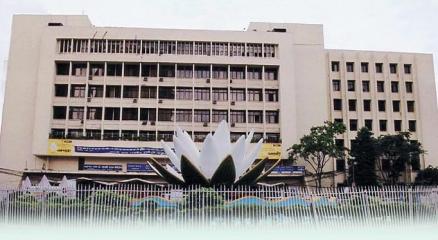


Serbia is preparing for a significant political transition after a student-backed opposition movement emerged victorious in the country’s October 25 parliamentary election. The result challenges a political establishment that has dominated national affairs for years and places the movement’s reform agenda at the centre of the country’s future. The movement’s rise reflects growing public frustration over governance, accountability and the effectiveness of public institutions. What began as protests following a deadly railway station canopy collapse in Novi Sad in November 2024 gradually developed into a broader campaign for political change. Demonstrators demanded answers over the tragedy and called for stronger safeguards against corruption. The election delivered a decisive setback to the ruling political bloc associated with Aleksandar Vučić. Preliminary results reported on October 26 indicated that the student-backed list had secured enough parliamentary seats to form a majority. Vučić acknowledged the defeat, opening the way for a new phase in Serbian politics. The victory, however, is only the beginning of a demanding process. Voters will expect the incoming political leadership to demonstrate that its promises can translate into practical improvements. Greater transparency, stronger public oversight and confidence in government institutions are likely to be among the most closely watched priorities. Building a functioning administration could prove challenging. The movement draws support from a broad range of people, and maintaining unity while making difficult policy decisions may test its leadership. Public expectations are high, leaving little room for prolonged uncertainty or political infighting. Serbia’s international relationships will also remain important. Its ties with the European Union, Russia and China shape its diplomatic and economic choices. A change in domestic leadership may create new opportunities for cooperation with European institutions, although the country’s long-term foreign policy direction will depend on decisions made by the incoming government. For many Serbian voters, the election represents an opportunity to demand greater accountability from those in power. Whether that expectation leads to lasting institutional change will depend on the new parliamentary majority’s actions, its ability to govern effectively and its willingness to remain answerable to the public. The coming months will therefore be crucial. Serbia has signalled a desire for political change; turning that decision into durable reforms will be the next major test.
October 26, 2026

Bangladesh recorded 183 incidents of political violence between July and September 2026, resulting in 17 deaths and 1,227 injuries, according to figures published by the Human Rights Support Society (HRSS). The findings highlight continuing concerns about political clashes and their impact on public safety. Disputes within political parties, as well as confrontations between rival groups, contributed to the reported incidents during the three-month period. The figures point to the challenges of maintaining peaceful political activity and protecting people from violence. Such incidents can disrupt daily life, increase tensions in local communities and weaken public confidence in law and order. The report also underscores the importance of resolving political disagreements through dialogue rather than confrontation. Stronger accountability, impartial law enforcement and peaceful political engagement could help reduce violence and prevent further casualties. Ensuring that political activities take place safely remains an important challenge for Bangladesh as the country works to strengthen democratic institutions and protect citizens' rights.
October 26, 2026


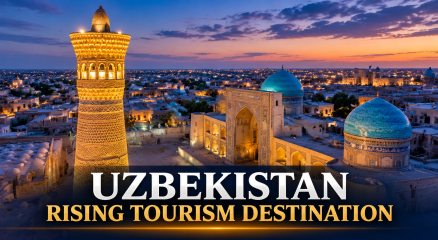
Uzbekistan is emerging as an increasingly attractive destination for international travellers, offering a combination of ancient history, distinctive architecture and cultural experiences. Located in Central Asia, the country is drawing attention from tourists seeking destinations beyond traditional European and Asian holiday hotspots. Much of Uzbekistan’s appeal comes from its historic connection to the Silk Road, the network of trade routes that once linked China, Central Asia, the Middle East and Europe. Cities such as Samarkand, Bukhara and Khiva preserve remarkable examples of Islamic architecture, ancient city walls, traditional bazaars and centuries-old monuments. Samarkand is particularly famous for Registan Square, surrounded by magnificent madrasas decorated with intricate tilework. Bukhara offers a journey through historic religious and commercial centres, while Khiva’s walled old city provides visitors with an insight into the region’s past. The country also offers experiences beyond its architectural heritage. Visitors can explore traditional Uzbek food, local handicrafts, lively markets and landscapes ranging from mountainous areas to vast desert regions. These attractions make Uzbekistan appealing to history enthusiasts, cultural travellers and adventure seekers. As international interest grows, tourism development has become an important opportunity for the country’s economy. Improvements in accommodation, transport links and visitor services could help Uzbekistan welcome more travellers and encourage longer stays. However, sustaining this growth will depend on maintaining historic sites, improving tourism facilities and ensuring that local communities benefit from increased visitor spending. With its rich history and distinctive cultural identity, Uzbekistan is positioning itself as a destination worth exploring for travellers looking for a different perspective on Central Asia.

Sajek Valley, located in Sajek Union of Baghaichhari Upazila in Rangamati District, is one of Bangladesh’s most attractive nature tourism destinations. Nestled in the Kasalong mountain range at approximately 1,800 feet (550 metres) above sea level, the valley is renowned for its lush green hills, dense forests, winding mountain roads and spectacular cloud formations. Often known as the “Queen of Hills” and the “Land of Clouds,” Sajek offers visitors breathtaking scenery and a peaceful escape from the crowded urban environment. One of the valley’s most remarkable features is the sea of clouds that frequently appears beneath the mountain peaks, particularly during early mornings and favourable weather conditions. The changing colours of the sky, mist-covered ridges and panoramic landscapes make Sajek a favourite destination for photographers, nature lovers and adventure seekers. Popular attractions include Konglak Hill, Sajek Helipad, Ruilui Para and Konglak Para, where visitors can enjoy mountain views, sunrise photography and opportunities to explore the surrounding villages. Sajek is also culturally significant because the wider region is home to indigenous communities, including Chakma, Marma, Tripura, Pankho and Lushai people. Their traditional lifestyles, handicrafts, architecture and local cuisine add to the valley’s distinctive character. Visitors can learn about local traditions while supporting community businesses and respecting residents’ privacy and cultural practices. Travellers generally reach Sajek through Khagrachhari and Dighinala before continuing along the hilly roads in local four-wheel-drive vehicles, commonly known as Chander Gari. The journey offers scenic views of forested slopes and mountain landscapes. Resorts, cottages, guesthouses and homestays provide accommodation options for different budgets, although prices can rise during weekends, holidays and peak tourist seasons. Travellers should confirm transport arrangements, accommodation costs and any security-related travel requirements before departure. The monsoon and the months that follow are popular among visitors hoping to witness dramatic clouds and mist. However, heavy rainfall may create slippery roads, poor visibility and travel disruptions. The cooler months can provide more comfortable conditions for sightseeing, though cloud formations depend on the weather. Checking forecasts and following local authorities’ instructions can help ensure a safer journey. Sajek Valley has become an important part of Bangladesh’s domestic tourism industry, attracting visitors with its natural beauty, cultural diversity and mountain atmosphere. As tourism continues to grow, protecting the environment, reducing plastic waste and respecting indigenous communities remain essential to preserving the area’s unique appeal. With proper planning and responsible travel, Sajek offers an unforgettable opportunity to experience one of Bangladesh’s most distinctive highland landscapes.

The Bangladesh government plans to review tourism regulations for Saint Martin’s Island, including the length of the tourist season, daily visitor limits and departure points for tourist vessels. Environment, Forest and Climate Change Minister Abdul Awal Mintoo said the review would consider environmental protection, biodiversity, visitor safety and transport management. The issue was discussed at an inter-ministerial meeting at the Secretariat on Monday. The island has remained closed to tourists since February 1 as part of conservation efforts, with tourism scheduled to resume on November 1. Under existing rules, visitors may travel to the island during November but must return the same day. Overnight stays are permitted in December and January, subject to an average daily visitor limit of 2,000. Tourist visits remain suspended throughout February. The ministry said the current restrictions would be reviewed before further decisions are announced. Mintoo stressed the importance of assessing the island’s environmental capacity, waste disposal facilities, safe drinking water supply and the effects of tourism on marine ecosystems. State Minister for Environment Shaikh Faridul Islam urged tourists to purchase travel passes and QR-code tickets through portals recognised by the Bangladesh Tourism Board. He also called for compliance with environmental guidelines, including restrictions on polythene and single-use plastics. Existing protections for coral, marine turtles, birds and other wildlife will remain in place. Restrictions include nighttime beach lighting, excessive noise, beach barbecues, entering keya forests, collecting keya fruit and riding motorcycles on beaches.

Maintaining good mental well-being is an important part of a healthy lifestyle. Busy schedules, work pressure, financial concerns and excessive screen time can leave people feeling stressed or emotionally exhausted. However, simple daily habits can help people manage everyday challenges and maintain a healthier balance. 1. Stay Physically Active Walking, stretching or doing other enjoyable physical activities can help improve mood and reduce stress. Even a short walk during a busy day can provide a useful break. 2. Get Enough Sleep A consistent sleep schedule supports concentration, energy and emotional balance. Adults should generally aim for at least seven hours of sleep each night. 3. Eat a Balanced Diet Regular meals, vegetables, fruits, whole grains and adequate water help support overall health. Avoid relying heavily on highly processed foods when planning everyday meals. 4. Stay Connected With Others Talking with trusted friends, family members or colleagues can provide emotional support and reduce feelings of isolation. Making time for meaningful conversations can be beneficial even during a busy week. 5. Take Breaks From Screens Constant notifications and exposure to distressing news may increase stress for some people. Taking regular breaks from phones and social media can create more time for rest and real-world activities. 6. Make Time for Activities You Enjoy Reading, gardening, listening to music, spending time outdoors or pursuing a hobby can provide relaxation and a sense of fulfilment. 7. Seek Support When Needed Feeling stressed occasionally is a normal part of life, but persistent sadness, anxiety or difficulty managing daily responsibilities should not be ignored. Speaking with a qualified mental health professional can help people understand their experiences and find appropriate support. Conclusion Improving mental well-being does not always require major lifestyle changes. Consistent sleep, regular movement, supportive relationships and time for relaxation can help people build healthier daily routines. Small steps taken regularly may make it easier to cope with life's challenges and protect overall well-being. Health disclaimer: This article is for general awareness and is not a substitute for professional medical advice.

Diabetes can develop gradually, and many people may not recognise its early warning signs. Frequent urination, excessive thirst, unusual tiredness and unexplained weight loss are among the common symptoms that may indicate high blood sugar levels. According to the World Health Organization (WHO), diabetes is a chronic condition that occurs when the body cannot regulate blood glucose properly because it does not produce enough insulin or cannot use insulin effectively. Without proper diagnosis and management, persistently high blood sugar can damage the heart, kidneys, eyes, nerves and blood vessels. Health experts warn that recognising possible symptoms and seeking timely medical evaluation can help people receive appropriate care before serious complications develop. However, some people with type 2 diabetes experience few or no noticeable symptoms for years. 10 Early Warning Signs of Diabetes 1. Frequent Urination Needing to urinate more often than usual, particularly during the night, can be an early sign of diabetes. When blood sugar levels become too high, the kidneys work to remove excess glucose through urine, which can increase urination. 2. Excessive Thirst Feeling unusually thirsty even after drinking water may indicate that the body is losing more fluid than normal. This can happen when frequent urination causes dehydration associated with high blood sugar. 3. Constant Hunger Some people with diabetes experience increased hunger even after eating. When insulin production or function is impaired, the body may struggle to use glucose effectively for energy. 4. Unexplained Weight Loss Losing weight without changing eating habits or physical activity can be another warning sign. When the body cannot use glucose properly, it may begin breaking down stored fat and muscle for energy. Unexplained weight loss should always be medically assessed. 5. Persistent Fatigue Feeling unusually tired or weak despite getting adequate rest may be associated with diabetes. Changes in how the body uses glucose, dehydration and other related factors can contribute to fatigue. 6. Blurred Vision High blood sugar can affect the fluid balance in the eyes and temporarily change vision. Anyone experiencing persistent or sudden vision changes should seek medical advice rather than assuming diabetes is the cause. 7. Slow-Healing Cuts and Wounds Cuts, sores and other wounds that take longer than expected to heal can be associated with diabetes. Persistently high blood sugar may interfere with normal healing and increase the risk of infection. 8. Frequent Infections Repeated skin infections, urinary tract infections or certain fungal infections may occur more often in people with diabetes. Frequent or recurring infections warrant medical evaluation. 9. Tingling or Numbness in the Hands and Feet Tingling, burning sensations or numbness in the hands and feet can be associated with nerve damage linked to prolonged high blood sugar. These symptoms should be assessed by a healthcare professional. 10. Dark Patches of Skin Dark, thickened areas of skin around the neck, armpits or groin can sometimes be associated with insulin resistance. This does not confirm diabetes, but it may be a reason to discuss blood sugar testing with a healthcare professional. Why Early Detection Matters Type 2 diabetes symptoms can develop so slowly that people may not realise anything is wrong. In some cases, the condition is identified during routine blood tests rather than through noticeable symptoms. Type 1 diabetes can develop more rapidly, sometimes over days or weeks, and symptoms may become severe. Children and adults can both develop type 1 diabetes. Early diagnosis allows healthcare professionals to recommend appropriate treatment and monitoring. Depending on individual circumstances, diabetes management may involve dietary changes, physical activity, medication, insulin and regular health assessments. Which Tests Can Detect Diabetes? A healthcare professional may recommend one or more blood tests to determine whether someone has diabetes. Common tests include: Fasting blood glucose: Measures blood sugar after an overnight fast. HbA1c test: Estimates average blood sugar levels over approximately the previous two to three months. Oral glucose tolerance test: Measures how the body responds to a glucose-containing drink. Random blood glucose test: Measures blood sugar at a particular time and can help support diagnosis when characteristic symptoms are present. The appropriate test and interpretation of results depend on individual circumstances. A healthcare professional should confirm the diagnosis according to accepted clinical criteria. When Should You Seek Medical Help? Anyone experiencing persistent excessive thirst, frequent urination, unexplained weight loss, unusual fatigue or blurred vision should arrange a medical assessment and ask whether blood sugar testing is appropriate. Seek emergency medical care if symptoms include vomiting, abdominal pain, rapid or deep breathing, severe weakness or confusion, particularly when diabetes is suspected. These can be signs of a serious complication called diabetic ketoacidosis. Pregnant women should also attend recommended prenatal screening because gestational diabetes may not cause noticeable symptoms. How Can You Reduce the Risk of Type 2 Diabetes? Although not all types of diabetes can be prevented, certain lifestyle measures can help reduce the risk of type 2 diabetes. These include maintaining a healthy weight where appropriate, eating a balanced diet, engaging in regular physical activity, avoiding tobacco and attending recommended health checkups. People with a family history of diabetes or other risk factors should discuss screening with a healthcare professional, even if they feel healthy.

Excessive working hours are becoming a major global health concern, according to research by the World Health Organization (WHO) and the International Labour Organization (ILO). A joint study estimated that prolonged working hours were associated with approximately 745,000 deaths from stroke and ischemic heart disease worldwide in 2016. The research found that people working 55 hours or more per week faced a 35% higher risk of stroke and a 17% higher risk of dying from ischemic heart disease compared with those working 35–40 hours weekly. Experts warn that prolonged work schedules, inadequate sleep and persistent stress can negatively affect workers' health. The growth of remote work may also blur the boundaries between professional and personal life for some employees. International health authorities emphasize the importance of reasonable working hours, sufficient rest and healthier workplace policies to reduce these risks. The findings highlight the need for employers and governments to prioritize worker well-being alongside productivity.

The World Health Organization (WHO) is pushing for faster detection of emerging disease outbreaks as countries face continuing challenges from infectious diseases and other public health threats. On October 12, 2026, the WHO Pandemic Hub announced an ambitious goal to detect new outbreaks within 24 hours. The initiative highlights the importance of early warning systems, scientific cooperation and rapid information-sharing to help health authorities respond before diseases spread more widely. Early detection is a critical part of public health protection. When unusual illness patterns are identified quickly, authorities have more time to investigate potential causes, test suspected cases, inform healthcare workers and introduce appropriate control measures. International cooperation is also essential because infectious diseases can cross national borders through travel, trade and population movement. Sharing reliable information between laboratories, hospitals and public health agencies can help countries prepare for emerging threats. However, achieving faster detection will require investment in laboratory capacity, disease surveillance, trained health professionals and reliable reporting systems. Countries with limited healthcare resources may face additional challenges in identifying and responding to new outbreaks. The WHO's initiative underscores the growing importance of preparedness in global health security. Faster identification of emerging diseases could help authorities coordinate responses more effectively and reduce the risk of local outbreaks becoming larger public health emergencies.

Headaches, pain behind the eyes and neck discomfort can be linked to several health conditions, including viral infections, migraines, sinus inflammation, dehydration and prolonged screen use. Respiratory viruses such as influenza and adenovirus may cause additional symptoms, including fever, fatigue, sore throat and body aches. However, these symptoms alone do not confirm the presence of a new virus or an international outbreak. Environmental factors, inadequate sleep, stress and extended use of smartphones or computers may also contribute to headaches and eye strain. Poor posture can place extra pressure on the neck and shoulder muscles, leading to persistent discomfort. In regions where dengue is prevalent, fever accompanied by severe headaches and pain behind the eyes should prompt medical evaluation. Doctors may recommend appropriate tests to identify the underlying cause. Health professionals advise people with mild symptoms to rest, drink sufficient fluids and maintain healthy sleep habits. However, a sudden, severe headache, fever with a stiff neck, confusion or changes in vision may indicate a serious condition requiring urgent medical attention. Public health authorities emphasize the importance of accurate diagnosis and reliable information. Rather than assuming that these symptoms indicate a new virus, people should monitor their condition and seek professional medical advice if symptoms persist or worsen.

COVID-19, caused by the SARS-CoV-2 virus, continues to pose health risks worldwide, despite the end of its global public health emergency status. The World Health Organization (WHO) announced the end of the emergency on May 5, 2023, but warned that the virus remained a continuing health challenge. First identified in Wuhan, China, in December 2019, COVID-19 spread across the world, affecting millions of people and putting significant pressure on healthcare systems. Bangladesh reported its first confirmed COVID-19 cases on March 8, 2020. The pandemic had a substantial impact on the country's healthcare services, economy and everyday life. Bangladesh recorded more than two million confirmed cases and nearly 29,500 deaths, while vaccination campaigns and public awareness programmes helped strengthen the national response. Common symptoms of COVID-19 include fever, cough, sore throat, fatigue, headache, muscle aches, breathing difficulties and changes in taste or smell. Some infected individuals may experience mild symptoms, while others can develop severe complications. Difficulty breathing, persistent chest pain or sudden confusion are warning signs that require immediate medical attention. Health authorities continue to emphasize vaccination for eligible people, particularly older adults and individuals at higher risk of severe illness. Other preventive measures include maintaining good indoor ventilation, practising hand hygiene, wearing a well-fitting mask when appropriate and limiting close contact with others when experiencing respiratory symptoms. Rapid antigen tests and laboratory-based PCR tests can help identify COVID-19 infections. Early diagnosis is particularly important for people at increased risk because certain treatments may reduce the likelihood of severe illness when provided promptly. Although COVID-19 is no longer classified as a global public health emergency, the virus continues to circulate. Public awareness, disease monitoring, access to healthcare and responsible preventive practices remain important for protecting communities in Bangladesh and around the world.






Real Madrid claimed a valuable 2–1 victory over Barcelona in the latest El Clásico on October 25, strengthening their position in the La Liga title race and ending Barcelona’s unbeaten start to the league season. Kylian Mbappé emerged as the decisive figure, finding the net twice to give Madrid the advantage in a fiercely contested match. Barcelona responded through Raphinha, who brought the home side level in the second half and briefly raised hopes of a comeback. The contest remained tense as both teams looked for a breakthrough. Madrid eventually found the winning goal through Mbappé late in the game, with Eduardo Camavinga providing the assist. Barcelona were unable to find another equaliser before the final whistle. The result gave Madrid three important points against their biggest domestic rivals and narrowed the gap at the top of the standings. Barcelona, meanwhile, were left to reflect on a defeat that halted their strong opening run in La Liga. Mbappé’s performance underlined his growing influence in Madrid’s attack, while the result added another significant chapter to the long-running rivalry between Spanish football’s two most prominent clubs.

Football legend Lionel Messi has received one of Spain’s most distinguished honours, the 2026 Princess of Asturias Award for Sports, at a ceremony in Oviedo on October 23. The recognition celebrates his extraordinary achievements throughout a career spanning more than two decades, as well as his efforts to use his international profile to support humanitarian causes. Messi’s journey from Rosario, Argentina, to global football stardom has been marked by exceptional consistency and historic accomplishments. During his years at FC Barcelona, he established himself as one of the club’s greatest players, collecting numerous domestic and European titles. After spells with Paris Saint-Germain and Inter Miami, he continued to influence the game on the international stage. His achievements with Argentina remain among the defining moments of his career. Messi captained the national team to the 2022 FIFA World Cup title in Qatar and also helped the country secure Copa América championships in 2021 and 2024. His record eight Ballon d’Or awards further demonstrate his extraordinary individual success and lasting impact on world football. Beyond his sporting achievements, Messi has supported initiatives aimed at improving children's lives. Through the Leo Messi Foundation, he has contributed to projects involving healthcare, education and opportunities for vulnerable young people. His role as a UNICEF Goodwill Ambassador has also helped draw international attention to challenges facing children and families. The Princess of Asturias Award for Sports recognises outstanding achievement in athletics and the broader contribution sport can make to society. Messi’s selection highlights qualities extending beyond goals, trophies and individual records, including dedication, teamwork and a commitment to helping others. The honour adds another important distinction to Messi’s already remarkable career. His influence reaches far beyond the football pitch, inspiring supporters across generations and demonstrating how sporting success can be accompanied by meaningful social engagement.

Brazil produced a commanding performance to defeat India 4–0 in Kolkata, with Samuel Lino scoring twice after coming off the bench. The Brazilian side demonstrated its attacking quality throughout the match, leaving India struggling to contain its pace and creativity. Brazil took control early, creating several opportunities against the Indian defence. Goalkeeper Gurpreet Singh made a notable save to stop Vinícius Júnior in the opening stages, but the pressure eventually resulted in a breakthrough. Estêvão put Brazil ahead in the 28th minute with a powerful finish. Pedro extended the lead in the 42nd minute, heading home to give the visitors a two-goal advantage before halftime. Brazil continued to dictate the tempo after the break. Coach Carlo Ancelotti introduced four substitutes, including Samuel Lino, who quickly made an impact. Lino scored in the 58th minute to increase Brazil’s advantage to 3–0, taking advantage of a mistake in India’s half. India attempted to limit further damage, but Brazil maintained its attacking threat. Lino completed his brace in stoppage time, securing a convincing four-goal victory for the South American giants. The performance highlighted Brazil’s ability to create scoring opportunities and capitalise on defensive errors. Estêvão and Pedro provided the early goals, while Lino’s contribution in the second half ensured a decisive finish. For India, the match offered an opportunity to test its defensive organisation against a highly regarded international opponent. Brazilian players also attracted considerable attention from spectators in Kolkata, making the occasion memorable for local football supporters. Brazil’s emphatic victory demonstrated its attacking strength, while India will aim to draw valuable lessons from the encounter and improve its competitiveness in future international fixtures.

Argentina defeated Colombia 1–0 after extra time in the 2024 Copa América final at Hard Rock Stadium in Miami Gardens, Florida, on July 14, 2024. Lautaro Martínez scored the winning goal in the 112th minute, helping Argentina secure a record-extending 16th Copa América championship and further strengthen its position in South American football. The final was a closely contested encounter, with Colombia enjoying greater possession and creating several attacking opportunities. Argentina, however, remained defensively disciplined as both teams failed to score during the first 90 minutes. The deadlock was finally broken in extra time when Martínez found the net, securing the trophy for his country. Argentina also faced a significant setback when captain Lionel Messi was forced off in the 66th minute because of an ankle injury. Despite losing their influential leader, the team maintained its composure and continued pushing for a decisive goal. Martínez finished the tournament with five goals to claim the Golden Boot. Colombia captain James Rodríguez was named the tournament’s best player, while Argentina goalkeeper Emiliano Martínez earned the Best Goalkeeper award. The final also experienced a lengthy kickoff delay following crowd-control and security problems at the stadium entrances. Despite the disruption, the match eventually produced a memorable conclusion for Argentina. The victory continued Argentina’s impressive run of international success after winning the 2021 Copa América and the 2022 FIFA World Cup. Colombia finished as runners-up following a strong tournament campaign, but Argentina ultimately emerged victorious to claim another historic continental title.

The 2022 FIFA World Cup final between Argentina and France delivered one of the most dramatic nights in football history. On December 18, 2022, millions of fans watched as two football giants battled for the world's most prestigious international trophy at Lusail Stadium in Qatar. Argentina started strongly, with Lionel Messi opening the scoring from the penalty spot before Ángel Di María doubled the lead. France appeared to be struggling, but Kylian Mbappé changed the game in spectacular fashion, scoring twice in less than two minutes to make it 2–2. The tension continued into extra time. Messi scored again to put Argentina ahead, but Mbappé completed his hat-trick with another penalty, bringing France level at 3–3. Neither team could find a winner, sending the final to a penalty shootout. Argentina eventually prevailed 4–2 on penalties, securing their third World Cup title. For Messi, the victory completed a remarkable international journey and fulfilled his lifelong ambition of lifting the World Cup trophy. Although France lost, Mbappé's three goals established his place in World Cup history. The final remains memorable for its incredible twists, outstanding performances, and emotional celebrations—a match that demonstrated why football captivates audiences across the globe.

Zimbabwe secured a convincing 99-run victory over Bangladesh in the opening match of the UAE ODI Tri-Series at Zayed Cricket Stadium in Abu Dhabi on October 17, 2026. After winning the toss and choosing to bat, Zimbabwe posted 271 for eight in their allotted 50 overs. Craig Ervine led the batting effort with an impressive 93 runs, while Brendan Taylor contributed 81 to help the team establish a competitive total and put Bangladesh under pressure. Chasing a target of 272, Bangladesh struggled to maintain momentum and were bowled out for 172 in just 33.4 overs. Tanzid Hasan was the top scorer for Bangladesh with 46 runs, but the team failed to build the partnerships needed to stay in contention. Taskin Ahmed made a contribution with both bat and ball, scoring 16 runs and taking three wickets for 44 runs. However, his efforts could not prevent Bangladesh from suffering a heavy defeat. Craig Ervine was named Player of the Match for his outstanding batting performance. The result gives Zimbabwe a strong start to the tri-series, while Bangladesh will need to improve their batting performance and build stronger partnerships in their upcoming matches.
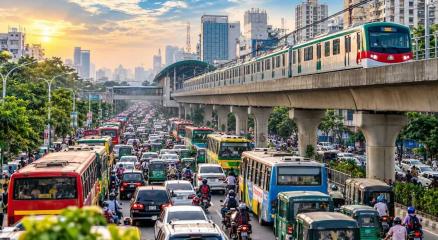
Dhaka, Bangladesh | Urban Development Dhaka’s transportation system continues to face major challenges as rapid urbanisation, growing vehicle numbers and road congestion make daily commuting increasingly difficult for residents. Although metro rail has introduced a faster travel option for many passengers, the capital still needs a more integrated, reliable and sustainable public transport network. Long traffic queues, irregular bus services, roadside parking and vehicles stopping to pick up passengers contribute to congestion across many parts of the capital. Road construction and underground metro rail development have also created additional difficulties in some areas. Dhaka’s metro rail system has become an important option for commuters seeking to avoid road traffic. Meanwhile, authorities are advancing additional metro rail projects to expand mass transit capacity and improve connections between different parts of the capital. Dhaka’s transportation challenge is not simply a shortage of roads. It is also a question of how efficiently the existing road network and public transport services are managed. A coordinated system combining metro rail, reliable buses, safer walking routes and disciplined traffic management could help reduce commuting difficulties, improve air quality and support the capital’s economic growth. For millions of residents, the real measure of progress will be whether they can reach workplaces, schools and essential services safely, affordably and on time.
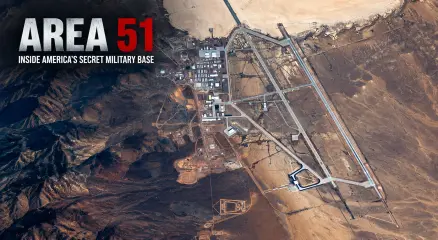
Area 51 has remained one of the world's most mysterious military installations, attracting public curiosity because of its secrecy, advanced aircraft testing and decades of UFO speculation. Hidden in a remote desert region of Nevada, the facility has become a symbol of the unknown, inspiring countless documentaries, films and conspiracy theories. The base gained particular importance during the Cold War, when the United States developed advanced reconnaissance aircraft to monitor potential threats. Aircraft programs associated with Area 51 included the U-2 spy plane and the A-12, both designed to perform intelligence missions using technology that was highly advanced for their time. Its secrecy helped fuel stories about unidentified flying objects. During the early years of high-altitude aircraft testing, some unusual sightings were reported by people who had no knowledge of the classified programs operating overhead. Over time, these incidents contributed to speculation that the government was hiding evidence of extraterrestrial visitors. Despite the popularity of these theories, no publicly verified evidence has established that Area 51 contains alien spacecraft or living extraterrestrials. The facility's documented history instead points to secret military research, aircraft development and testing. Many details about its present-day activities remain undisclosed. Today, Area 51 continues to attract researchers, aviation enthusiasts and UFO investigators from around the world. Its restricted status and limited public access ensure that interest in the installation remains strong. Although rumors continue to surround the base, its best-established legacy is its role in the development of advanced aviation technology. The enduring mystery of Area 51 illustrates how government secrecy can inspire both legitimate questions and extraordinary claims that remain unsupported by evidence.

Social media continues to transform the way people communicate, discover information and interact with the world. Platforms such as Facebook, Instagram, TikTok and YouTube have become important parts of daily life, connecting individuals across countries and making information accessible within seconds. Businesses increasingly use social networks to reach customers, promote products and build relationships with their audiences. Meanwhile, students, independent creators and small entrepreneurs are using digital platforms to share knowledge, develop new skills and create opportunities for income. However, the rapid growth of social media has also raised concerns about misinformation, online scams, privacy violations and excessive screen time. False claims can spread quickly, sometimes creating confusion before reliable information becomes available. Users may also face risks when sharing personal details or interacting with unknown accounts. Experts and digital safety advocates frequently encourage users to verify information before sharing it, use strong account security and review privacy settings regularly. Parents and educators also face the challenge of helping younger users develop healthy online habits. Artificial intelligence is adding another layer of change, making it easier to create videos, edit images, translate content and recommend posts based on individual interests. At the same time, AI-generated misinformation and manipulated media are creating new challenges for platforms and audiences. As social media continues to evolve, its long-term impact will depend on how effectively technology companies, governments and users address these risks while protecting freedom of expression and access to information.

A powerful earthquake struck southern Türkiye and northern Syria on February 6, 2023, causing catastrophic destruction and claiming more than 55,000 lives. The disaster left entire neighbourhoods in ruins, displaced millions of people and created an enormous humanitarian emergency across the region. The first earthquake, measuring magnitude 7.8, hit in the early hours of the morning when most residents were asleep. A second major earthquake followed later that day, worsening the damage and bringing down additional buildings. Homes, hospitals, schools and essential infrastructure were severely affected, leaving many communities struggling to access basic services. Rescue workers and volunteers rushed to search through collapsed structures for survivors. Operations were complicated by freezing weather, damaged roads and repeated aftershocks. Families waited anxiously for news of missing relatives as emergency teams worked against time to reach people trapped beneath the rubble. The disaster hit Syria particularly hard because years of conflict had already damaged infrastructure and weakened essential public services. Across both countries, survivors faced shortages of temporary shelter, food, clean water and medical supplies. International assistance played an important role in rescue operations and emergency relief. However, the enormous scale of the destruction made recovery a lengthy process. Rebuilding homes, restoring public services and supporting affected families required substantial resources and continued international cooperation. The earthquake exposed serious vulnerabilities in building safety and disaster preparedness. It also demonstrated how quickly a natural disaster can overwhelm communities and emergency systems. The February 2023 tragedy remains one of the deadliest earthquakes of the 21st century, leaving a lasting impact on millions of people and serving as a powerful reminder of the importance of safer construction, effective emergency planning and rapid humanitarian assistance.

Cox’s Bazar, situated in southeastern Bangladesh along the Bay of Bengal, is one of the country’s most popular tourist destinations. The city is renowned for its extensive natural sandy beach, scenic coastal landscapes and diverse cultural heritage. It also serves as the administrative headquarters of Cox’s Bazar District. The city takes its name from Captain Hiram Cox, a British East India Company officer who worked on the rehabilitation of Arakanese refugees in the late eighteenth century. Over time, the coastal settlement developed into an important commercial and tourism centre. Beyond its famous beach, visitors can explore Himchari National Park, Buddhist temples in Ramu, Aggmeda Khyang monastery and Dulahazara Safari Park. Marine Drive offers picturesque views of the sea and surrounding hills, making it another popular attraction. Tourism, fishing, seafood trading and salt production support the local economy. Improved transport connections, including railway services introduced in 2023 and domestic air links, have made the destination more accessible to travellers. Despite its tourism potential, Cox’s Bazar faces challenges involving coastal erosion, environmental pollution, extreme weather and urban development. The district also hosts a large Rohingya refugee population, making it an important humanitarian region. With its natural beauty, historical significance and economic importance, Cox’s Bazar remains a valuable destination for Bangladesh. Sustainable tourism and environmental conservation will be essential to preserving its coastal attractions for future generations.

The Taj Mahal, located on the banks of the Yamuna River in Agra, Uttar Pradesh, India, is one of the world's most celebrated historical monuments. Built by Mughal Emperor Shah Jahan in memory of his beloved wife, Mumtaz Mahal, this magnificent mausoleum represents love, remembrance and artistic excellence. Construction began in 1632, and the wider architectural complex was completed around 1653. Centuries later, the monument continues to captivate visitors with its remarkable beauty and historical significance. Constructed primarily from white marble, the Taj Mahal combines influences from Persian, Indian and Islamic architectural traditions. Its magnificent central dome, four minarets, elegant arches and intricate stonework demonstrate the extraordinary craftsmanship of the Mughal period. Carefully designed gardens, water channels and surrounding structures contribute to the monument's harmonious appearance. The marble surface also reflects changing shades of light throughout the day, creating a distinctive visual experience for visitors. The Taj Mahal is more than a royal tomb; it is an important example of the Mughal Empire's architectural ambition and artistic achievements. Numerous skilled artisans, craftsmen and architects contributed to its construction. The complex includes the main mausoleum, a mosque, a guesthouse, a monumental entrance and landscaped gardens, forming an integrated architectural masterpiece. In 1983, UNESCO designated the Taj Mahal a World Heritage Site in recognition of its outstanding cultural and architectural value. It later gained further international recognition as one of the New Seven Wonders of the World. Today, it remains one of India's leading tourist attractions, drawing visitors, historians, photographers and architecture enthusiasts from across the globe. Its popularity also supports tourism, local businesses and traditional handicrafts in Agra. Despite its enduring beauty, the Taj Mahal faces conservation challenges associated with air pollution, environmental changes and the pressure of tourism. Protecting its marble surfaces, intricate decorations and original architectural features requires continued maintenance, environmental safeguards and responsible visitor management. Nearly four centuries after its construction began, the Taj Mahal remains a powerful symbol of India's cultural heritage and the artistic achievements of the Mughal era. Its extraordinary design and emotional history have secured its place among the world's most treasured monuments, inspiring generations to appreciate the lasting connection between human creativity, history and remembrance.

South Korean television series Squid Game took the international entertainment industry by storm, becoming one of Netflix's biggest global hits and introducing millions of viewers to Korean-language drama. Released on September 17, 2021, the survival thriller follows a group of financially struggling contestants who enter a mysterious competition offering a massive cash prize. The participants must compete in games inspired by childhood activities, but losing carries deadly consequences. Created and directed by Hwang Dong-hyuk, the series attracted audiences with its suspenseful storyline, striking visual style and exploration of debt, inequality and desperation. Its colourful uniforms, masked guards and unsettling versions of familiar children's games quickly became recognisable symbols across social media. The show's popularity grew rapidly through online discussions, reaction videos, memes and Halloween costumes. Netflix reported in October 2021 that the series had reached 111 million accounts, before revising its first-month figure to 142 million households. It also topped Netflix's most-watched charts in numerous countries, establishing itself as a major international streaming success. The success of Squid Game demonstrated that language was not necessarily a barrier to global entertainment audiences. Its popularity helped strengthen international interest in South Korean television, film and wider popular culture. The series also received major industry recognition. At the 2022 Primetime Emmy Awards, Lee Jung-jae won Outstanding Lead Actor in a Drama Series, while Hwang Dong-hyuk won Outstanding Directing for a Drama Series. These victories marked historic achievements for a non-English-language production. Beyond its entertainment value, Squid Game sparked conversations about economic inequality, competition and the pressures faced by people struggling financially. Its worldwide success also encouraged streaming companies to invest further in international productions. What began as a Korean survival thriller ultimately became a defining television phenomenon of 2021, demonstrating the global reach of streaming platforms and the growing influence of Korean storytelling.

One Battle After Another emerged as the biggest winner at the 2026 Academy Awards, taking home the Best Picture trophy and earning widespread recognition for its filmmaking. Directed by Paul Thomas Anderson and starring Leonardo DiCaprio, the film impressed audiences with its mix of action, dark comedy, and political drama. The movie explores themes of family, power, resistance, and personal sacrifice through an intense and unconventional story. Its performances, direction, and distinctive storytelling helped it stand out among the year's major cinematic releases. The film's success marked a major achievement for Anderson, whose work has earned critical acclaim throughout his career. Its awards-season performance also highlighted the growing recognition of films that combine artistic ambition with compelling stories. The victory made One Battle After Another a major talking point among film fans and industry observers, while further raising interest in its cast, production, and themes. The film's Oscar success is another reminder of how powerful storytelling and memorable performances can leave a lasting impression on audiences worldwide.

YouTube superstar MrBeast has reached an extraordinary milestone, becoming the first individual creator to surpass 500 million subscribers on YouTube. The achievement, reached on June 12, 2026, marks a significant moment in the history of online entertainment and highlights the growing influence of digital creators worldwide. MrBeast, whose real name is Jimmy Donaldson, celebrated the historic accomplishment during a livestream attended by hundreds of thousands of viewers. During the event, he thanked his fans for supporting his journey and reflected on how his channel had grown from modest beginnings into one of the biggest entertainment platforms on the internet. The American content creator has built his reputation through ambitious challenges, expensive productions, massive cash giveaways and videos featuring unusual competitions. His content often involves elaborate sets, large groups of participants and prizes worth substantial amounts of money. These high-energy productions have helped him attract viewers from different countries and age groups. Beyond entertainment, MrBeast has also gained attention for philanthropic activities, including campaigns supporting people in need and projects focused on providing assistance to communities. His business ventures have further expanded his presence beyond YouTube, turning his online popularity into a broader commercial brand. Reaching 500 million subscribers represents more than a personal achievement for MrBeast. It demonstrates how online video platforms have transformed the entertainment industry, allowing individual creators to build audiences on a scale once associated mainly with major television networks and international media companies. As competition among digital creators continues to grow, MrBeast's latest record sets an exceptionally high benchmark for the industry. His success also illustrates the importance of creative ideas, consistent production and audience engagement in building a global online following.
Global soybean prices declined to a two-month low on Monday as increased supplies from the US harvest weighed on agricultural markets. Lower crude oil prices added to the downward pressure, while corn and wheat prices also experienced declines. The arrival of newly harvested soybeans is increasing supply availability for processors and international buyers. If demand fails to keep pace with production, prices could face further pressure, potentially reducing farmers’ earnings. However, stronger export demand could help stabilize the market. Lower soybean prices may provide cost relief for animal-feed manufacturers and food-processing businesses. In Bangladesh, cheaper international supplies could benefit importers, although exchange rates, shipping expenses and domestic distribution costs will influence local prices. Market participants will continue watching harvest progress, export demand and energy-market developments to determine the outlook for soybean prices in the coming weeks.
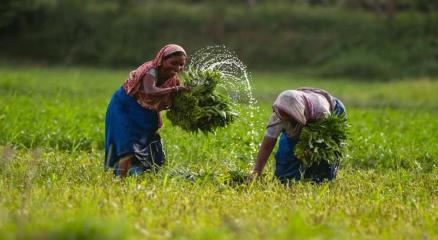
Bangladesh is exploring modern agricultural methods, scientific research and improved food distribution to strengthen food security and make nutritious food more accessible to its population. The issue gained attention during World Food Day 2026, observed on October 16 under the theme “Innovate Today. Nourish Tomorrow.” A national seminar in Dhaka brought together government officials, agricultural researchers, development partners and other stakeholders to discuss ways to improve the country's food system. One major challenge is ensuring that food reaches consumers efficiently after harvest. Although Bangladesh produces substantial quantities of rice, fish, vegetables and fruits, inadequate storage, transportation difficulties and food losses can reduce the benefits of agricultural production. Digital technology could also help improve agricultural market management. Better production data and supply monitoring may help farmers make informed decisions, reduce waste and respond more effectively to changing market demand. Climate change presents another challenge. Floods and other extreme weather events can damage crops, disrupt livelihoods and make food less affordable. Climate-resilient crop varieties, timely weather information and improved farming practices could help farmers prepare for these risks. However, innovation alone will not solve every problem. Small-scale farmers need access to financing, modern equipment, agricultural advice and reliable markets. Better food preservation, stronger safety standards and public awareness of nutrition are also important parts of the solution. Food affordability remains a serious concern for many households. High living costs and climate-related disruptions can limit access to nutritious meals, particularly for vulnerable communities. Agricultural experts and development partners have emphasized the importance of turning research into practical solutions that benefit farmers and consumers. Better coordination among government agencies, scientists, businesses and rural communities could help reduce food losses, improve productivity and strengthen access to nutritious diets. For Bangladesh, the long-term challenge is not simply producing more food. It is building a resilient and efficient food system that can withstand economic and climate-related pressures while keeping safe, nutritious food within reach of ordinary households.
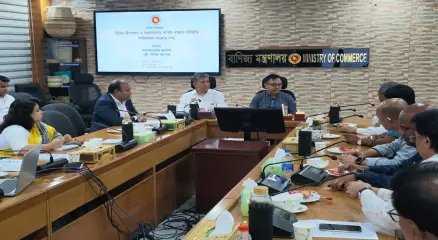
Bangladesh Commerce Minister Khandakar Abdul Muktadir has urged egg traders to avoid excessive profits, artificial shortages and supply chain disruptions that could push prices beyond consumers’ reach. Speaking at a meeting with egg producers, traders and other stakeholders at the Ministry of Commerce in Dhaka, the minister stressed the importance of ensuring a stable supply and protecting consumers’ interests. He noted that eggs are a staple food for millions of people and that sudden price increases place additional financial pressure on low- and middle-income households. Muktadir called for an examination of the price differences between producers and retailers to identify where unnecessary costs or excessive margins are being added. He also emphasised cooperation among farmers, wholesalers, commission agents and retailers to improve market transparency. During the meeting, business representatives said rising prices of poultry-feed ingredients, including corn and soybean, had increased egg production costs to around Tk 11 per egg. They reported that the average producer-level selling price rose from Tk 7.91 in January to approximately Tk 11.30 in September. Traders also argued that eggs are sometimes sold below production costs during parts of the year, while price increases receive greater public attention. According to the participants, prices typically increase by Tk 1.50 to Tk 2 between the producer and retail stages. To manage seasonal fluctuations, traders proposed introducing storage facilities that could preserve surplus eggs for one to one-and-a-half months. They also recommended reviewing tax burdens, stabilising poultry-feed prices and reducing transportation difficulties. The government is seeking greater coordination across the supply chain to help maintain reasonable prices and ensure reliable access to eggs for consumers.
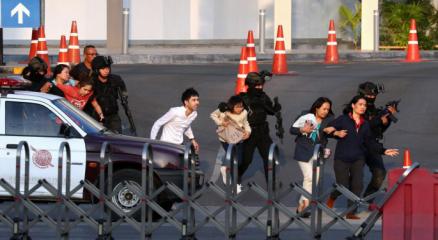
Thailand faced a national tragedy after a soldier carried out a shooting rampage that killed 29 people and injured dozens more in the northeastern city of Nakhon Ratchasima. The violence began on February 8, 2020, when Sergeant Major Jakrapanth Thomma opened fire following a reported dispute connected to a property deal. The attacker subsequently took military weapons and moved through several locations, leaving victims in his wake before reaching the Terminal 21 shopping mall. The incident quickly developed into a prolonged security emergency. Shoppers, employees and visitors desperately searched for safe places to hide as gunfire echoed through parts of the complex. Some people managed to escape, while others remained trapped until security personnel could reach them. Police and military units launched an extensive operation to contain the attacker and evacuate civilians. The confrontation continued through the night, creating hours of uncertainty for families waiting for information about missing relatives. Security forces eventually located and killed the gunman inside the shopping complex on February 9, ending the siege. The death toll made the incident one of the deadliest mass shootings in Thailand's history. The tragedy prompted widespread mourning and raised questions about military weapon security, firearm access and the country's preparedness for mass-casualty attacks. Survivors and relatives of those killed were left to cope with the physical and emotional consequences of the violence. The Korat shooting remains a painful chapter in Thailand's recent history, remembered for the lives lost, the fear experienced by ordinary civilians and the emergency responders who worked to bring the crisis to an end.

Mexico faced renewed security challenges following the death of Nemesio Oseguera Cervantes, known as El Mencho, the leader of the Jalisco New Generation Cartel (CJNG). He was killed during a military operation in Jalisco state on February 22, 2026, marking a significant development in the country’s long-running campaign against organized crime. El Mencho had become one of Mexico’s most prominent criminal figures through his leadership of the CJNG, an organization associated with international drug trafficking and violent clashes with security forces and rival groups. Authorities had pursued him for years as the cartel expanded its influence across Mexico and into international markets. His death was followed by reports of burning vehicles, blocked roads and suspected cartel attacks in several areas. Security forces increased their presence as officials worked to contain the unrest and protect local communities. The operation also raised questions about who would control the cartel following the loss of its leader. Experts have long warned that the removal of a major criminal figure can create competition within an organization without automatically ending its operations. For Mexico, the challenge now extends beyond eliminating individual leaders. Authorities must also confront criminal networks, illegal weapons, drug trafficking and the violence affecting communities. The longer-term impact of El Mencho’s death will depend on whether security operations can weaken the cartel’s structure and prevent further retaliation.
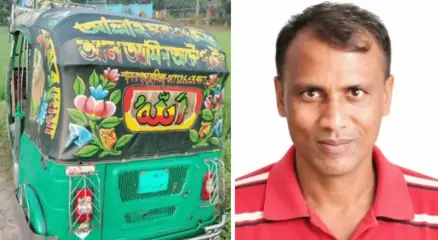
Police in Cumilla have arrested a CNG-run auto-rickshaw driver accused of raping and killing a 15-year-old schoolgirl. Authorities said the suspect confessed to the crime during questioning. The accused, Sumon Mia, was detained at his brother’s residence in Chattogram on Friday. Additional Superintendent of Police Pankaj Barua disclosed details at a press conference following the arrest. According to police, the victim, Tazmin, hired the auto-rickshaw from Paduar Bazar to Racecourse for Tk 300 at around 12:30am on Thursday. The driver allegedly diverted from the intended route and took her to a different location. Police said the girl was later found dead in a paddy field beside the Cumilla–Noakhali regional highway in the Jagatpur area under Lalmai Police Station. Officers recovered her body after receiving information through the national emergency service 999. Investigators allege that the suspect stole the victim’s iPhone before leaving the scene and later concealed it near a mosque in Chapapur. The victim’s father, Abdul Alim, identified her body. He said she had left home several days earlier to visit a female friend and had subsequently travelled to Cox’s Bazar before heading to Cumilla. Police are continuing their investigation into the case

Shahriar Mahmud, the principal accused in the case over the alleged attack and vandalism at content creator Salman Muqtadir’s Brownfish Studio in Dhaka’s ECB Chattar area, has been granted bail by a Dhaka court. Metropolitan Magistrate Md Hasib Ullah Pias granted Shahriar bail on a bond of Tk 10,000 until the next scheduled court date following a hearing on Monday, according to the Dhaka Metropolitan Police (DMP) prosecution branch. The case was filed after an alleged attack on the New Gini Properties project in the capital’s Cantonment area on the night of September 26. Project director Saiful Islam Bhuiyan lodged the complaint with Cantonment Police Station on September 27, alleging vandalism, assault and looting. According to the case statement, the attackers allegedly damaged office equipment, furniture, gates and other property. Salman Muqtadir’s Brownfish Studio was also reportedly vandalised, with two televisions, air-conditioning units, furniture and filming equipment damaged. The complainant estimated the studio’s losses at approximately Tk 95 lakh. The complaint also alleges that cash, construction materials, electrical cables and other items were taken from the premises, resulting in substantial financial losses. These figures represent the complainant’s estimates and have not been established as final losses in court. Earlier reports said four people had been arrested in connection with the incident. Authorities have also linked the violence to a broader land dispute involving approximately 35 kathas of land associated with New Gini Properties Ltd and opposing landowners. Shahriar’s bail does not amount to an acquittal. The allegations against him and the other accused remain subject to investigation and judicial proceedings.

Police in Satkhira have registered a case against a 60-year-old man accused of sexually assaulting a seven-year-old girl. Authorities said an investigation is underway and efforts are being made to arrest the suspect. According to the complaint, the alleged incident took place on October 10 on the rooftop of a house in Satkhira Sadar upazila. The property reportedly belongs to Rafiqul Islam, a former chairman of Jhaudanga Union Parishad. The child’s grandmother identified the accused as Mosharraf Hossain, whom she described as the former chairman’s brother-in-law. She alleged that he lured the child to the rooftop before committing the offence. She also claimed that she informed the former chairman about the incident but received no assistance. On October 13, police took the child to Satkhira Sadar Hospital, where she was admitted for treatment and a medical examination. Shafiqul Islam, officer-in-charge of Satkhira Sadar Police Station, said officers visited the reported location and conducted inquiries after learning about the incident. He confirmed that a case had been filed and that police were working to apprehend the accused. The child had been living with her grandmother in Oaria village. Her father lives abroad, while her mother lives separately. The allegations remain under investigation, and the accused’s guilt has not been established in court.

A 56-year-old woman was killed and her husband seriously wounded in a knife attack allegedly carried out by their son at their home in Kurigram Sadar upazila early Wednesday. The incident took place in Belgachha Union around dawn, according to Kamal Hossain, officer-in-charge of Kurigram Sadar Police Station. The victim was identified as Munira Begum, while her husband, Sardar Ali, 65, a retired textile engineer, was rushed to Rangpur Medical College Hospital for advanced treatment. Police and local sources said their son, Mostakin Alam Shovon, 35, allegedly attacked his parents before escaping. He was reportedly struggling with drug addiction, and his family had sent him to rehabilitation centres several times. However, he repeatedly left those facilities. The family was reportedly planning to send him to rehabilitation again. On Wednesday morning, staff from a rehabilitation centre in Sirajganj arrived at the house to take him there. According to the initial account, Shovon allegedly stabbed his mother in the chest after learning about the plan. When his father tried to intervene, he was repeatedly stabbed in the abdomen. Rehabilitation centre staff rushed the injured couple to Kurigram General Hospital, where doctors declared Munira dead. Her husband was later transferred to Rangpur for specialised medical care.

India is preparing for potentially severe weather as Cyclone Arnab advances across the Bay of Bengal toward the country’s eastern coastline. The approaching storm has prompted heightened alert levels in Andhra Pradesh and neighbouring Odisha, where authorities are preparing for heavy rainfall, powerful winds and possible flooding ahead of the forecast landfall on October 28. Weather officials expect the system to intensify as it moves closer to land. Forecasts indicate sustained winds of around 115–125 kilometres per hour, with stronger gusts potentially reaching 140 kilometres per hour. If these conditions materialise, vulnerable buildings, trees, electricity networks and transport infrastructure could face significant damage. Heavy rainfall is another major concern, particularly in coastal districts and low-lying communities. Prolonged downpours could overwhelm drainage systems, flood roads and disrupt daily activities. Strong winds and rough seas may also create hazardous conditions for fishermen and maritime workers, prompting calls for caution as the storm approaches. Emergency preparations are being strengthened across potentially affected areas. Authorities are assessing vulnerable communities, preparing cyclone shelters and arranging contingency measures to protect residents and maintain essential services. Officials are also preparing for possible power interruptions, transport disruption and other consequences associated with severe weather. Residents have been advised to monitor official meteorological updates and follow instructions issued by local disaster management authorities. People living in flood-prone areas should remain prepared to relocate if evacuation orders are announced, while fishermen should follow maritime safety warnings and avoid dangerous sea conditions. Although the current forecast points to a possible landfall on October 28, the cyclone’s precise path and intensity remain subject to change. Meteorologists are continuing to assess its movement, and updated forecasts will be important in determining which areas face the greatest risk. As Cyclone Arnab approaches India’s eastern coastline, timely warnings, effective emergency planning and public cooperation will be essential to reducing potential damage and protecting lives. Authorities are urging residents to remain alert and rely on verified weather information as the situation develops.

Europe’s summer of 2026 brought intense heat to several parts of the continent, creating challenges for residents, farmers and emergency services. Prolonged hot weather increased pressure on water resources and raised concerns about the effects of high temperatures on daily life. Dry vegetation and limited rainfall created conditions in which fires could spread rapidly in vulnerable areas. Firefighters and local authorities faced the challenge of protecting residential communities, forests and agricultural land from potential damage. The heat also affected outdoor workers, elderly people and others vulnerable to high temperatures. Health officials encouraged residents to stay hydrated, avoid strenuous activities during the hottest hours and follow local weather warnings. The summer’s extreme conditions highlighted the importance of preparing cities and communities for prolonged periods of hot weather. Better water management, early-warning systems, fire prevention and heat-resistant infrastructure can help reduce the risks associated with future heatwaves.