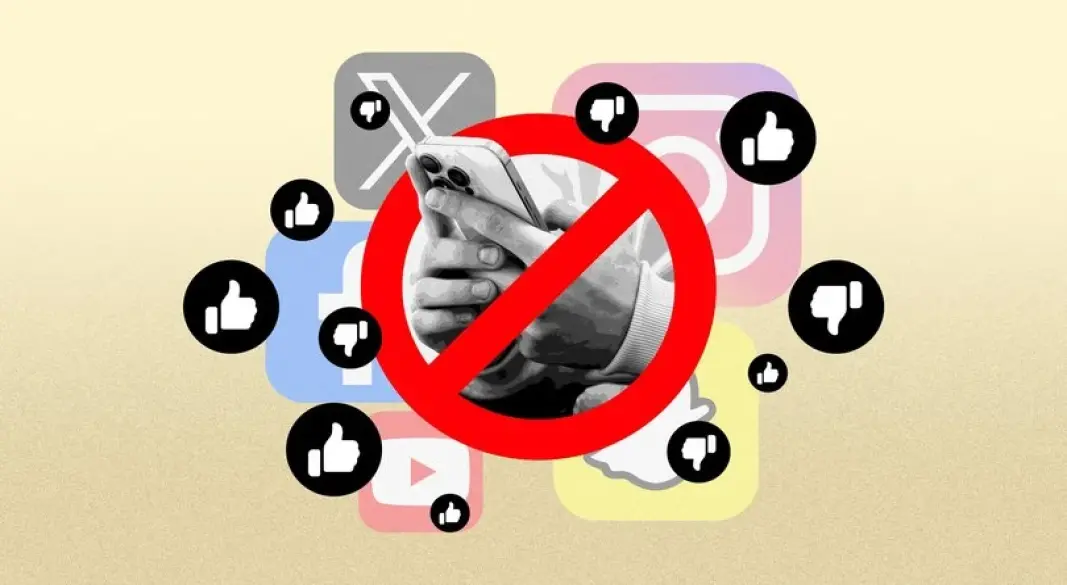
France is considering restrictions on social media access for children under 15, as governments worldwide explore measures to protect young users online. The proposed French legislation has advanced through parliament, with lawmakers scheduled to vote on the measure following negotiations between the National Assembly and the Senate. The government hopes the rules could take effect in September.
Several countries have already introduced restrictions. Australia has banned social media access for under-16s, while Indonesia and Malaysia have also implemented similar measures. Brazil, meanwhile, requires platforms to link accounts belonging to users under 16 with their parents and verify users’ ages.
Other countries are preparing legislation or reviewing proposals. Greece plans to introduce restrictions for under-15s from January 2027, while Norway is preparing a bill targeting users under 16. The United Kingdom and Canada are also considering minimum-age requirements.
Within the European Union, discussions are continuing over a broader framework for restricting children's access to social media. Austria, Slovenia, Germany, Sweden, Ireland, Spain and Italy are among the countries examining different approaches. The proposals vary in scope, with some governments seeking outright bans for younger users and others considering age verification, parental involvement or restrictions on specific platforms.
The debate reflects growing international attention to children's online safety and the responsibilities of social media companies. The timing and details of individual restrictions will depend on each country's legislative process.
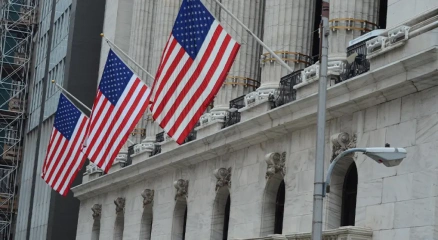
Global stock markets remained mixed today as investors weighed fresh U.S. inflation data, corporate earnings reports, and the ongoing economic uncertainty in China and Europe. The U.S. stock market opened slightly higher on Monday morning, with the Dow Jones Industrial Average rising 0.4%, the S&P 500 climbing 0.3%, and the Nasdaq Composite gaining 0.5% in early trading. Investors responded positively to June's U.S. Consumer Price Index (CPI) report, which showed inflation cooling slightly to an annual rate of 3.0%, down from 3.3% in May."Markets are optimistic that the Federal Reserve may pause or even cut interest rates by the fall," said Lisa Raymond, chief analyst at Morgan & Co. "But it's still a wait-and-see situation, especially with more earnings coming this week." Wall Street Opens Higher Dow +0.4%, S&P 500 +0.3%, Nasdaq +0.5% on Monday morning. Boosted by June CPI showing inflation cooled to 3.0% (down from 3.3%). Hopes rise for potential Fed rate cut or pause by fall. The U.S. stock market opened slightly higher on Monday morning, with the Dow Jones Industrial Average rising 0.4%, the S&P 500 climbing 0.3%, and the Nasdaq Composite gaining 0.5% in early trading. Investors responded positively to June's U.S. Consumer Price Index (CPI) report, which showed inflation cooling slightly to an annual rate of 3.0%, down from 3.3% in May. "Markets are optimistic that the Federal Reserve may pause or even cut interest rates by the fall," said Lisa Raymond, chief analyst at Morgan & Co. "But it's still a wait-and-see situation, especially with more earnings coming this week." Tech Leads the Way Technology stocks led the gains in the U.S., with Apple (AAPL) up 1.8% and Nvidia (NVDA) jumping 2.4%, as demand for AI and semiconductors remains strong. Tesla (TSLA) also rebounded, rising 3.1% after announcing better-than-expected Q2 vehicle deliveries. Global stock markets showed a mixed performance as investors weighed persistent inflation concerns against a wave of corporate earnings reports. While strong results from major tech companies helped lift some indexes, uncertainty surrounding central bank policies and the future path of interest rates kept others in check. In the U.S., Europe Struggles on Growth Concerns Meanwhile, European markets showed little movement, with the FTSE 100 in London flat and Germany’s DAX down 0.2%. Investors remain concerned about weak industrial output and rising energy costs across the Eurozone.“The European economy is showing signs of fatigue,” said Carla Dupont, economist at BNP Paribas. “High borrowing costs and geopolitical tensions are dragging down business activity.”Global stock markets showed a mixed performance as investors weighed persistent inflation concerns against a wave of corporate earnings reports. While strong results from major tech companies helped lift some indexes, uncertainty surrounding central bank policies and the future path of interest rates kept others in check. In the U.S., Market Performance Summary Table Region Index/Company Movement (%) Key Driver USA Dow Jones +0.4% Positive CPI report (3.0% inflation) S&P 500 +0.3% Rate cut optimism Nasdaq +0.5% Tech stock gains Apple (AAPL) +1.8% Strong AI demand Nvidia (NVDA) +2.4% Semiconductor growth Tesla (TSLA) +3.1% Strong Q2 deliveries Europe FTSE 100 (UK) 0.0% Flat due to economic uncertainty DAX (Germany) -0.2% Weak industrial output, high energy costs Asia Nikkei 225 (Japan) +0.6% Strong export performance Shanghai Composite -1.2% Property sector risks, low consumer spending Asia Mixed as Chinese Markets Slump In Asia, markets showed mixed results. Japan’s Nikkei 225 gained 0.6%, supported by strong export data. However, Chinese markets fell sharply, with the Shanghai Composite down 1.2%, as fears about the country’s property sector and sluggish consumer spending persisted. Gains in consumer and tech sectors pushed markets higher, but weaker-than-expected bank earnings and inflation-related jitters limited broader momentum. European markets edged lower as traders grew cautious about global trade tensions and slowing growth indicators, while Asian markets saw mixed results, with Hong Kong posting modest gains and Tokyo slipping slightly. Overall, market sentiment remains cautious as investors await further economic data and guidance from central banks. Looking Ahead Investors are now turning their focus to key corporate earnings this week from major banks like JPMorgan Chase, Goldman Sachs, and Citigroup, as well as tech giants like Netflix and Microsoft. The results are expected to provide a clearer picture of business resilience amid high interest rates and uncertain global demand. Overall, market sentiment remains cautious as investors await further economic data and guidance from central banks.
The U.S. Supreme Court issued a landmark ruling on Monday, declaring that former presidents are entitled to partial immunity from criminal prosecution for actions taken while in office. The 6-3 decision, split along ideological lines, has triggered intense political and legal debate across the country.The ruling stems from charges brought against former President Donald Trump, who has faced multiple indictments related to alleged interference in the 2020 presidential election and events surrounding the January 6 Capitol riot. The Court’s decision now makes it more difficult for prosecutors to pursue charges for actions deemed as part of a president's official duties. Divided Reactions President Joe Biden responded to the ruling by calling it a “dangerous precedent” that could place future presidents above the law. “No one in America should be beyond accountability,” he said during a press conference.Republican leaders, however, welcomed the decision. House Speaker Steve Scalise stated, “This ruling upholds the constitutional separation of powers and protects the office of the presidency from political attacks.”The recent Supreme Court ruling on presidential immunity has ignited intense debate across the United States, with sharp divisions emerging among legal experts, lawmakers, and the public. The decision, which sets new boundaries on the legal protections afforded to sitting presidents, has far-reaching implications for the balance of power and accountability in government. Supporters argue that the ruling upholds the integrity of the executive office by protecting it from politically motivated prosecutions, while critics warn that it could open the door to unchecked presidential authority. What the Ruling Means The Court ruled that while presidents do not have absolute immunity, they are shielded from criminal prosecution for actions that are “within the outer perimeter of official presidential responsibilities.” However, personal or unofficial actions remain subject to prosecution.Legal experts say the ruling could delay several of Trump’s ongoing legal cases, potentially impacting the 2024 election season, where Trump remains the leading Republican contender. As protests, press conferences, and panel discussions erupt nationwide, the ruling is expected to influence upcoming elections and reshape the legal landscape surrounding executive power for years to come. Public Response The recent Supreme Court ruling on presidential immunity has ignited intense debate across the United States, with sharp divisions emerging among legal experts, lawmakers, and the public. The decision, which sets new boundaries on the legal protections afforded to sitting presidents, has far-reaching implications for the balance of power and accountability in government. Supporters argue that the ruling upholds the integrity of the executive office by protecting it from politically motivated prosecutions, while critics warn that it could open the door to unchecked presidential authority. As protests, press conferences, and panel discussions erupt nationwide, the ruling is expected to influence upcoming elections and reshape the legal landscape surrounding executive power for years to come.
The United States has long been known as a nation of immigrants and diversity. Over the last century, significant demographic changes have occurred due to immigration patterns, birth rates, cultural shifts, and changing social values. This report outlines how the racial, regional, religious, and national origin composition of the U.S. population has evolved — and where it’s heading. Table 1: U.S. Population by Race/Ethnicity (1960–2024) Year White (Non-Hispanic) Black Hispanic/Latino Asian Native American Multiracial Other 1960 85% 10.5% 3.5% 0.5% 0.3% — 0.2% 1980 80% 11.5% 6.4% 1.5% 0.6% — 0.3% 2000 69% 12.3% 12.5% 3.6% 0.9% 2.4% 0.3% 2020 59.3% 13.4% 18.5% 5.9% 1.3% 2.8% 0.1% 2024* 57.1% 13.2% 19.1% 6.5% 1.4% 3.1% 0.2% Over the last six decades, the regional distribution of the U.S. population has undergone a substantial transformation. Economic shifts, climate preferences, and immigration patterns have contributed to the steady rise of the South and West as the primary hubs of growth, while the Northeast and Midwest have seen their shares of the national population gradually decline. The United States Census Bureau divides the country into four main regions: Northeast, Midwest, South, and West. Over the past several decades, regional population distribution has shifted significantly due to migration trends, job availability, climate preferences, and immigration. Table 2: Regional Population Distribution (by U.S. Census Regions) Region 1960 1980 2000 2020 2024 (Est.) Northeast 25% 22% 19% 17% 16.5% Midwest 29% 27% 23% 20% 19.7% South 31% 34% 36% 38% 39.2% West 15% 17% 22% 25% 24.6% Key Takeaway: The South and West have seen consistent growth due to warmer climates, job markets, and immigration hubs (e.g., Texas, Florida, California). The religious landscape of the United States has undergone a dramatic transformation over the past 70 years. While the country once identified overwhelmingly as Christian — particularly Protestant — more Americans today are choosing no religious affiliation, a trend that reflects shifting cultural norms, generational change, and growing diversity. Demography by religion Religion 1950 1980 2000 2020 2024 (Est.) Protestant 69% 56% 51% 40% 39% Catholic 25% 27% 24% 21% 20% Jewish 3% 2.5% 2% 1.8% 1.8% Muslim <0.1% 0.5% 1% 1.3% 1.5% Hindu/Buddhist <0.1% 0.5% 1.5% 2% 2.2% Unaffiliated 2% 7% 15% 27% 29% Key Shift: The rise of the “nones” (religiously unaffiliated) is among the most dramatic religious shifts in recent history. Immigration has always been a cornerstone of the American story. But over the past 60 years, the origins of the U.S. foreign-born population have changed dramatically — shifting from a Europe-dominated pattern to one led by Latin America, Asia, and more recently, Africa. These demographic transformations reflect both global trends and U.S. immigration policy reforms. Summary Insights Racial Diversity Growing Rapidly: Non-Hispanic Whites are no longer a supermajority. By 2045, the U.S. is projected to be “minority-majority.” Regional Power Shift: The South and West are economic and population growth engines. Religious Landscape is Secularizing: Protestants and Catholics are declining; the religiously unaffiliated are growing fastest. Immigration Patterns Have Shifted: From European-dominated to Latin American and Asian-majority since 1965’s Immigration and Nationality Act.
Iran and Israel traded further air attacks on Thursday as President Donald Trump kept the world guessing about whether the United States would join Israel's bombardment of Iranian nuclear facilities. Google News LinkFor all latest news, follow The Daily Star's Google News channel. A week of Israeli air and missile strikes against its major rival has wiped out the top echelon of Iran's military command, damaged its nuclear capabilities and killed hundreds of people, while Iranian retaliatory strikes have killed two dozen civilians in Israel. Iran and Israel traded further air attacks on Thursday as President Donald Trump kept the world guessing about whether the United States would join Israel's bombardment of Iranian nuclear facilities. Guardian council warns US of 'harsh response A key Iranian body warned the United States on Thursday that any intervention in support of its ally Israel would be met with a "harsh response". "The criminal American government and its stupid president must know for sure that if they make a mistake and take action against Islamic Iran, they will face a harsh response from the Islamic Republic of Iran," the Guardian Council said in a statement carried by state television. Google News LinkFor all latest news, follow The Daily Star's Google News channel. A week of Israeli air and missile strikes against its major rival has wiped out the top echelon of Iran's military command, damaged its nuclear capabilities and killed hundreds of people, while Iranian retaliatory strikes have killed two dozen civilians in Israel. Guardian council warns US of 'harsh response' if it intervenes. A key Iranian body warned the United States on Thursday that any intervention in support of its ally Israel would be met with a "harsh response". "The criminal American government and its stupid president must know for sure that if they make a mistake and take action against Islamic Iran, they will face a harsh response from the Islamic Republic of Iran," the Guardian Council said in a statement carried by state television.
The U.S. Supreme Court issued a landmark ruling on Monday, declaring that former presidents are entitled to partial immunity from criminal prosecution for actions taken while in office. The 6-3 decision, split along ideological lines, has triggered intense political and legal debate across the country. The ruling stems from charges brought against former President Donald Trump, who has faced multiple indictments related to alleged interference in the 2020 presidential election and events surrounding the January 6 Capitol riot. The Court’s decision now makes it more difficult for prosecutors to pursue charges for actions deemed as part of a president's official duties. Heatwave Grips U.S. South and Midwest, Breaking Temperature Records Data Table Price Total 1200 1200 Ata Moyda Demographic Data District Population Percentage Noakhali 31,000,00 5% Cumilla 35,000,00 5.5% Divided Reactions President Joe Biden responded to the ruling by calling it a “dangerous precedent” that could place future presidents above the law. “No one in America should be beyond accountability,” he said during a press conference. Republican leaders, however, welcomed the decision. House Speaker Steve Scalise stated, “This ruling upholds the constitutional separation of powers and protects the office of the presidency from political attacks.” What the Ruling Means The Court ruled that while presidents do not have absolute immunity, they are shielded from criminal prosecution for actions that are “within the outer perimeter of official presidential responsibilities.” However, personal or unofficial actions remain subject to prosecution. Legal experts say the ruling could delay several of Trump’s ongoing legal cases, potentially impacting the 2024 election season, where Trump remains the leading Republican contender. Public Response Protests erupted in major cities including New York, Los Angeles, and Chicago, with citizens expressing fears that the decision could weaken American democracy. On social media, the hashtag #NoOneAboveTheLaw trended nationwide.



France is considering restrictions on social media access for children under 15, as governments worldwide explore measures to protect young users online. The proposed French legislation has advanced through parliament, with lawmakers scheduled to vote on the measure following negotiations between the National Assembly and the Senate. The government hopes the rules could take effect in September. Several countries have already introduced restrictions. Australia has banned social media access for under-16s, while Indonesia and Malaysia have also implemented similar measures. Brazil, meanwhile, requires platforms to link accounts belonging to users under 16 with their parents and verify users’ ages. Other countries are preparing legislation or reviewing proposals. Greece plans to introduce restrictions for under-15s from January 2027, while Norway is preparing a bill targeting users under 16. The United Kingdom and Canada are also considering minimum-age requirements. Within the European Union, discussions are continuing over a broader framework for restricting children's access to social media. Austria, Slovenia, Germany, Sweden, Ireland, Spain and Italy are among the countries examining different approaches. The proposals vary in scope, with some governments seeking outright bans for younger users and others considering age verification, parental involvement or restrictions on specific platforms. The debate reflects growing international attention to children's online safety and the responsibilities of social media companies. The timing and details of individual restrictions will depend on each country's legislative process.


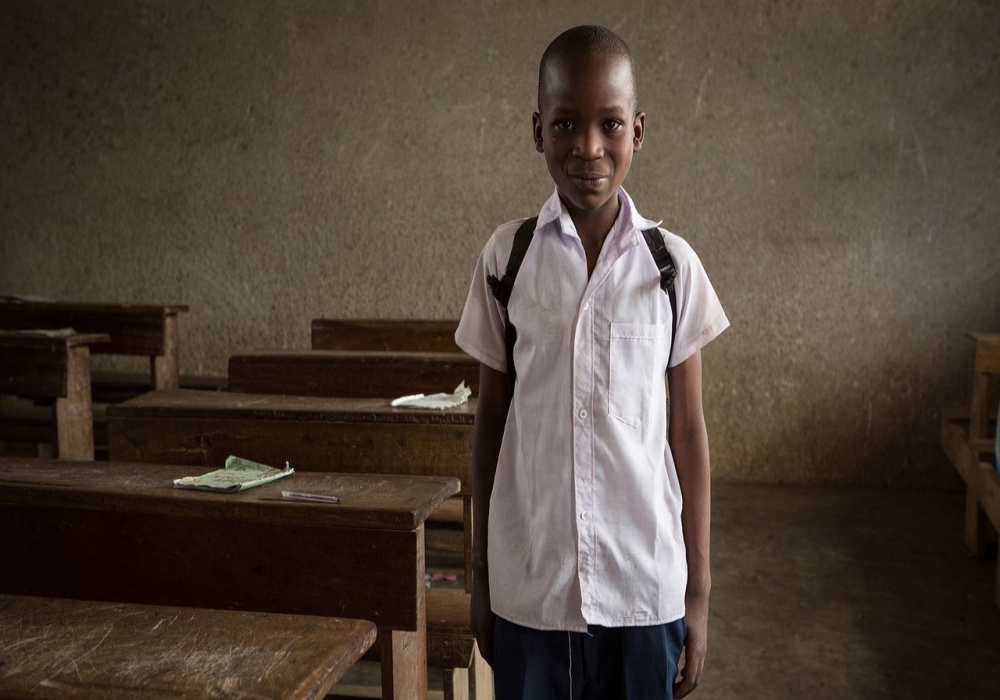
In a time when digital transformation is reshaping every corner of the globe, one of the most remarkable changes is happening quietly in rural areas of countries like Bangladesh, India, Nepal, and Pakistan — where YouTube is revolutionizing education. With limited access to quality teachers, outdated textbooks, and overcrowded classrooms, students in rural communities are increasingly turning to YouTube learning channels to supplement or even replace traditional schooling. Thanks to the rise of affordable smartphones and expanding 4G networks, even in remote villages, platforms like YouTube have become virtual classrooms. Students can now watch free, high-quality educational content from renowned platforms such as Khan Academy, Ten Minute School, Unacademy, BYJU’S, and Exam Preparation BD. These channels offer lessons in mathematics, science, language learning, general knowledge, and test preparation — all delivered in engaging formats and often in regional languages like Bangla, Hindi, or Tamil. This accessibility has democratized learning, removing barriers of geography, cost, and availability of trained educators. Key Statistics: 68% of rural students in Bangladesh with access to smartphones report using YouTube for educational purposes (Digital Inclusion Survey, 2024). Ten Minute School boasts over 3 million subscribers and provides over 10,000 free video lectures aligned with Bangladesh’s national curriculum. In India, Unacademy and BYJU’S serve over 50 million students, with significant growth in rural user bases. For students like Mim Akter, a ninth grader from rural Khulna, this shift is life-changing: “Our school lacks science teachers. Now I watch chemistry classes on YouTube in the evenings. I never thought I’d understand atoms and molecules this way.” Similarly, in places where power cuts and poor infrastructure often halt schooling, students can download lessons offline, watch at their own pace, and replay concepts until fully understood. YouTube allows asynchronous learning, letting students learn when and how they want — something especially important for girls and working youth who cannot attend school full-time. YouTube learning channels are also addressing practical skill-building. Rural youth are learning computer literacy, graphic design, agricultural tips, tailoring, and even small business skills. Channels like Krishi Sheba BD help farmers with crop rotation, organic pesticide methods, and seasonal crop planning, while others teach computer skills and mobile repair — skills that directly improve livelihoods. Popular Learning Topics in Rural Areas via YouTube: SSC & HSC Exam Preparation Basic English Speaking and Writing Science Experiments and Visual Learning Government Job Test Prep (BCS, Bank, Railway) Computer Basics and Freelancing Skills Agricultural Training and Farming Methods But this progress doesn’t come without concerns. Experts warn of digital fatigue, misinformation, and distraction. Not all content is credible, and rural learners — often new to the internet — may fall prey to low-quality or misleading videos. To counter this, digital literacy training and school-supported content curation are becoming essential. Schools and NGOs are beginning to integrate curated YouTube playlists into classroom routines to ensure content relevance and safety. Policy experts and educators are now calling for formal integration of digital tools into rural education policies. Many suggest partnerships between national education boards and popular learning channels to certify content, track learning progress, and provide internet subsidies to disadvantaged students. Despite these challenges, YouTube has become an equalizer — a bridge over the urban-rural education divide. It has opened up new paths for self-learners, dropouts, and underserved youth, empowering them to dream beyond their limitations. In regions where education once seemed like a privilege, YouTube is now the teacher, the classroom, and the library — all rolled into one.


Dhaka – The Bangladesh government is ramping up efforts to combat fake news and harmful content on social media, following a wave of misinformation surrounding recent political events and public health issues. The Ministry of Information and Broadcasting, in coordination with the BTRC, is drafting new regulations that would require global platforms like Facebook, YouTube, and X to open local offices, respond to content removal requests within 24 hours, and increase transparency in algorithmic content distribution. “Misinformation spreads faster than ever, especially during crises,” said ICT Division spokesperson Rashedul Karim. “These rules will protect citizens and national stability.” Experts welcome the move but warn against overreach. “Content moderation must not infringe on freedom of speech,” noted digital rights advocate Shireen Afroz. Social media companies say they are enhancing AI-based moderation tools and improving user reporting systems. However, critics argue current efforts are inadequate, as false claims often go viral before action is taken. Meanwhile, digital literacy campaigns are being launched to help users verify information and avoid manipulation. As Bangladesh continues to embrace the digital world, balancing security and free expression remains a growing challenge.