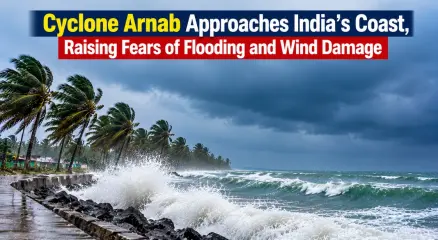
India is preparing for potentially severe weather as Cyclone Arnab advances across the Bay of Bengal toward the country’s eastern coastline. The approaching storm has prompted heightened alert levels in Andhra Pradesh and neighbouring Odisha, where authorities are preparing for heavy rainfall, powerful winds and possible flooding ahead of the forecast landfall on October 28. Weather officials expect the system to intensify as it moves closer to land. Forecasts indicate sustained winds of around 115–125 kilometres per hour, with stronger gusts potentially reaching 140 kilometres per hour. If these conditions materialise, vulnerable buildings, trees, electricity networks and transport infrastructure could face significant damage. Heavy rainfall is another major concern, particularly in coastal districts and low-lying communities. Prolonged downpours could overwhelm drainage systems, flood roads and disrupt daily activities. Strong winds and rough seas may also create hazardous conditions for fishermen and maritime workers, prompting calls for caution as the storm approaches. Emergency preparations are being strengthened across potentially affected areas. Authorities are assessing vulnerable communities, preparing cyclone shelters and arranging contingency measures to protect residents and maintain essential services. Officials are also preparing for possible power interruptions, transport disruption and other consequences associated with severe weather. Residents have been advised to monitor official meteorological updates and follow instructions issued by local disaster management authorities. People living in flood-prone areas should remain prepared to relocate if evacuation orders are announced, while fishermen should follow maritime safety warnings and avoid dangerous sea conditions. Although the current forecast points to a possible landfall on October 28, the cyclone’s precise path and intensity remain subject to change. Meteorologists are continuing to assess its movement, and updated forecasts will be important in determining which areas face the greatest risk. As Cyclone Arnab approaches India’s eastern coastline, timely warnings, effective emergency planning and public cooperation will be essential to reducing potential damage and protecting lives. Authorities are urging residents to remain alert and rely on verified weather information as the situation develops.
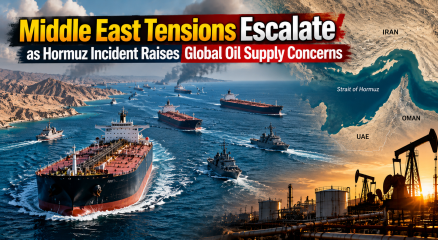
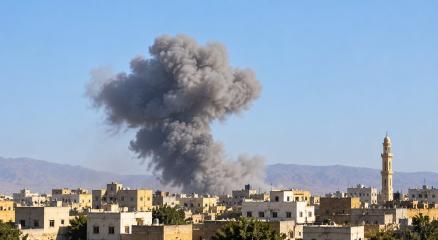
Tensions across the Middle East are drawing renewed international attention following reports of a vessel fire in the Strait of Hormuz, escalating violence in Yemen and fresh political developments involving the United States and Israel. The latest developments have raised concerns about regional security, international shipping and the stability of global energy markets. The reported maritime incident has highlighted the vulnerability of the Strait of Hormuz, a critical route for global oil transportation. Any prolonged disruption to shipping through the narrow waterway could affect energy supplies, increase transportation costs and put additional pressure on oil prices. However, details surrounding the incident, including its precise cause and the extent of the damage, require independent confirmation. In Yemen, renewed clashes involving Houthi fighters and forces aligned with the internationally recognised government have added to the region’s security challenges. The violence has also intensified concerns about commercial shipping in nearby waters, particularly around the Red Sea and the Bab el-Mandeb Strait. Meanwhile, US authorities have warned American citizens in parts of the Middle East to remain alert to potential security threats and travel disruptions. Political tensions have also intensified following US President Donald Trump’s public support for Israeli Prime Minister Benjamin Netanyahu ahead of Israel’s upcoming parliamentary election. The endorsement underscores the close political relationship between the two leaders and their shared hard-line position on Iran. Netanyahu has continued to criticise Iran’s leadership, warning that Tehran’s policies pose a serious threat to Israeli and regional security. The growing uncertainty is creating potential economic risks beyond the Middle East. Higher oil prices could increase fuel expenses, shipping charges and production costs in energy-importing countries. Financial markets may also experience further volatility if investors anticipate a prolonged conflict or interruptions to energy supplies. Diplomatic efforts and developments on the ground will be crucial in determining whether the situation stabilises or deteriorates further. Any expansion of hostilities could have consequences for regional security, international trade and the global economy. The international community is closely monitoring the situation as concerns grow over maritime security, energy supplies and the possibility of a wider regional conflict.
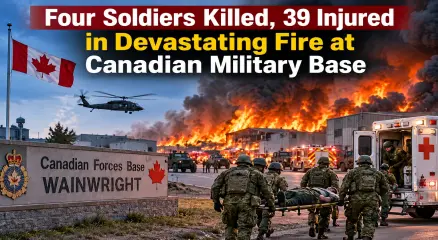
A devastating fire at Canadian Forces Base (CFB) Wainwright in Alberta, Canada, killed four soldiers and injured 39 others on Saturday, October 17, 2026. The military installation, located approximately 210 kilometres east of Edmonton, was conducting training activities when the incident occurred. The fire reportedly broke out in the training area at around 4 p.m. local time. Strong winds accelerated the spread of the flames, allowing the blaze to move rapidly across the grounds and toward an administrative area. Emergency responders rushed to the scene to contain the fire and assist injured personnel. At least 19 of the injured were reported to be in critical condition in initial accounts. The incident prompted concern across Canada's military community and raised questions about fire safety during training exercises. Prime Minister Mark Carney and Defence Minister David McGuinty expressed condolences to the families of the deceased soldiers. Military authorities are investigating the circumstances surrounding the incident to determine how the fire started and what factors contributed to its rapid spread. The tragedy has highlighted the risks associated with military training and the importance of effective emergency preparedness. Authorities are continuing to assess the incident, while medical care for injured personnel and support for affected families remain key priorities.

US President Donald Trump sparked controversy after making a joke about the widespread use of the name Mohammad among Muslims during a campaign rally in Dalton, Georgia, on Friday. Speaking to supporters ahead of the November 3 midterm elections, Trump suggested that the name was so common in the Middle East that using it when addressing someone would often be a safe guess. The audience responded with limited enthusiasm. Trump made the remarks while discussing Iran and its presidency. He also joked that people would be reluctant to take the country’s top political position. Iran has been led by President Masoud Pezeshkian since 2024. Mohammad is widely used among Muslim communities, reflecting the religious significance of the Prophet Muhammad in Islam. Trump’s comments come amid continuing criticism from Muslim advocacy organizations and civil rights groups over his rhetoric toward Muslims, immigrants and ethnic minorities. Critics have accused him of using language that encourages negative stereotypes, particularly during the current election campaign. During the rally, Trump also reiterated his position that Iran must never obtain nuclear weapons, following military action by the United States and Israel earlier in the year. A report published by the Council on American-Islamic Relations previously linked rising anti-Muslim sentiment in the United States partly to immigration policies and the administration’s response to pro-Palestinian demonstrations.

International gold prices recorded a moderate increase on October 19, 2026, reaching approximately $4,175.30 per troy ounce, based on the supplied market figures. The precious metal gained $11.20, or 0.27%, during the session, reflecting a positive movement in the global bullion market. The reported price placed 24-karat gold at around $134.24 per gram, while 22-karat gold was valued at approximately $123.06 per gram. Actual buying prices may vary depending on purity, dealer premiums and other charges. Gold prices are influenced by global economic conditions, US dollar movements, interest-rate expectations and geopolitical uncertainty. Investors often consider gold a store of value during uncertain periods, although market fluctuations can also lead to price declines. In Bangladesh, international gold prices remain an important reference for jewellery buyers. However, domestic rates depend on exchange rates, supply conditions and official announcements from the Bangladesh Jewellers Association (BAJUS). Consumers should check the latest local rates and applicable making charges before purchasing gold. Market participants will continue to monitor economic developments and investor demand to determine the precious metal's next direction.
Cristiano Ronaldo found the net as Al-Nassr defeated Uzbekistan’s Neftchi Fergana 3-1 in an AFC Champions League fixture on Monday. The match in Riyadh began an hour later than scheduled following a security alert linked to the ongoing regional conflict. Saudi Arabia’s Civil Defence issued a warning around 15 minutes before the planned kick-off, prompting a delay while safety concerns were addressed. The incident came amid missile threats targeting the Saudi capital. Later that night, explosions were reported in Riyadh, and a Saudi-led military coalition announced that its forces had intercepted and destroyed a ballistic missile. The escalating tensions have also raised questions about upcoming international sporting events, including Formula 1 races scheduled in Qatar and Abu Dhabi. After play eventually began, Al-Nassr took the lead through Angelo in the 33rd minute. Ronaldo then extended the advantage before the interval, putting the home side in a strong position. Neftchi Fergana managed to reduce the deficit after the break but suffered a major setback when one of their players was sent off in the 65th minute. An own goal 13 minutes later secured Al-Nassr’s 3-1 victory and their first win in Group B. Ronaldo had also scored on Friday during his return to club action after leaving Portugal’s national team camp midway through the international break. Reports linked his departure to frustration over limited playing opportunities.
The global luxury fashion industry is facing renewed pressure as weaker consumer demand in China affects the performance of leading fashion brands. LVMH, the parent company of Louis Vuitton and several other luxury labels, reported a 5% decline in organic sales in its fashion and leather goods division for the latest quarter. The results fell short of market expectations, raising further concerns about the industry's recovery. China has long been a major market for luxury goods. However, slower economic growth, weakness in the property sector and cautious consumer spending have affected demand for high-end clothing, handbags and accessories. The slowdown has also created uncertainty for other major luxury groups, including Hermès and Kering, as investors assess the outlook for the global market. Industry analysts believe a sustained recovery may take time, with brands likely to focus on long-term strategies rather than relying on immediate price reductions. The latest results highlight the challenges facing luxury fashion houses as they navigate changing consumer behaviour and an increasingly uncertain global economy
US President Donald Trump has expressed doubt that China and Russia are providing assistance to Iran, arguing that both countries would face significant risks if they became involved in supporting Tehran. Speaking through his Truth Social account on Monday, Trump suggested that any such support, if it existed, would be minimal. He also maintained that Washington would quickly detect any significant involvement by Moscow or Beijing. Saudi Arabia Faces Security Concerns After Missile Attacks Trump also criticised Houthi forces over a series of attacks targeting Saudi Arabia, including incidents involving major airports in Riyadh and Dammam, according to Al Jazeera. Saudi authorities have extended the suspension of operations at King Khalid International Airport in Riyadh until October 17. Officials said the extended closure would allow aviation authorities to assess the safety of airport facilities following repeated security threats. Saudi forces reported intercepting a ballistic missile directed towards Riyadh on Monday night. The Saudi-led coalition said the missile had been destroyed, while Civil Defence later announced that the immediate threat to the capital had passed. Houthi representatives claimed responsibility for targeting the airport and described the operation as accurate. Flight Disruptions Continue Across Saudi Arabia Aviation restrictions have caused widespread disruption to air travel. A Notice to Airmen (NOTAM) indicated that Riyadh airport would remain closed through October 17 while safety inspections continued. Data from aviation analytics company Cirium showed that 486 of the 1,048 flights scheduled to depart Saudi Arabia on Monday were cancelled. Another 271 cancellations had already been recorded for Tuesday. Gulf Air also suspended its Riyadh services through October 17. The attacks have also affected foreign nationals. India's embassy in Riyadh confirmed that Indian citizen Mohammed Yousuf Ali died following an airport attack on October 10. Indian Ambassador Vipul attended the funeral in Riyadh after the family decided to hold the ceremony there. The embassy further reported that three injured Indian nationals remained in intensive care, while two additional people had also been admitted to intensive care. Other Major Developments in the Middle East Trump's position on Iran: Trump said the US midterm elections would not alter his administration's approach to Iran. He also predicted that the conflict would end soon and that oil prices would fall sharply afterward. Oil market movements: Crude prices declined on Tuesday after rising by nearly $2 during the previous session. Traders continued to assess the risk of supply interruptions linked to regional attacks alongside the possibility of higher Russian diesel exports. Incident near the Strait of Hormuz: The United Kingdom Maritime Trade Operations (UKMTO) reported that a tanker departing the Strait of Hormuz was struck by an unidentified projectile on Monday. Iranian military adviser Yahya Rahim Safavi said Tehran wanted to regulate and restrict maritime traffic through the strategic waterway rather than shut it completely. Iran considers Washington's proposal: Iran is examining the latest US proposal concerning the reopening of the Strait of Hormuz, according to a spokesperson for its foreign ministry. Messages are being exchanged through intermediaries, including Qatar and Pakistan. Warning over digital infrastructure: Mohsen Rezaei, secretary of Iran's Supreme National Security Council, warned that regional data cables, data centres and artificial intelligence facilities could face risks if hostilities resume, Iranian state media reported.
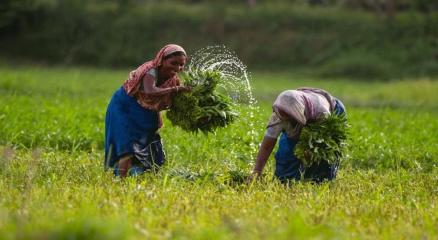
Bangladesh is exploring modern agricultural methods, scientific research and improved food distribution to strengthen food security and make nutritious food more accessible to its population. The issue gained attention during World Food Day 2026, observed on October 16 under the theme “Innovate Today. Nourish Tomorrow.” A national seminar in Dhaka brought together government officials, agricultural researchers, development partners and other stakeholders to discuss ways to improve the country's food system. One major challenge is ensuring that food reaches consumers efficiently after harvest. Although Bangladesh produces substantial quantities of rice, fish, vegetables and fruits, inadequate storage, transportation difficulties and food losses can reduce the benefits of agricultural production. Digital technology could also help improve agricultural market management. Better production data and supply monitoring may help farmers make informed decisions, reduce waste and respond more effectively to changing market demand. Climate change presents another challenge. Floods and other extreme weather events can damage crops, disrupt livelihoods and make food less affordable. Climate-resilient crop varieties, timely weather information and improved farming practices could help farmers prepare for these risks. However, innovation alone will not solve every problem. Small-scale farmers need access to financing, modern equipment, agricultural advice and reliable markets. Better food preservation, stronger safety standards and public awareness of nutrition are also important parts of the solution. Food affordability remains a serious concern for many households. High living costs and climate-related disruptions can limit access to nutritious meals, particularly for vulnerable communities. Agricultural experts and development partners have emphasized the importance of turning research into practical solutions that benefit farmers and consumers. Better coordination among government agencies, scientists, businesses and rural communities could help reduce food losses, improve productivity and strengthen access to nutritious diets. For Bangladesh, the long-term challenge is not simply producing more food. It is building a resilient and efficient food system that can withstand economic and climate-related pressures while keeping safe, nutritious food within reach of ordinary households.