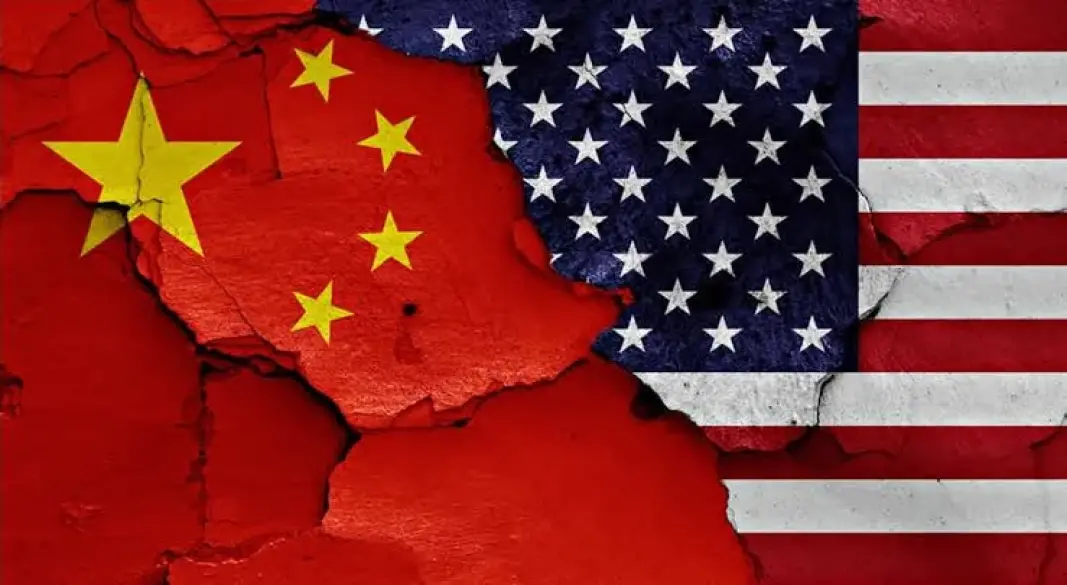
Global trade wars have become a major challenge for businesses in 2025 and 2026, as governments use tariffs and other trade measures to protect domestic industries and strengthen their economic positions. These policies are changing international business relationships and forcing companies to reconsider how they manufacture, transport and sell products across borders.
For many businesses, higher import duties can increase the cost of raw materials, machinery and finished goods. Companies that depend on international suppliers may face pressure on profit margins, while some manufacturers are being forced to reconsider pricing strategies and production plans. In certain cases, additional costs may also reach consumers through higher prices.
The uncertainty surrounding trade policies has encouraged multinational companies to diversify their supply chains. Instead of relying heavily on a single country for production or materials, businesses are exploring alternative suppliers and manufacturing locations. Although these changes may reduce certain risks, establishing new facilities and commercial partnerships can require significant investment and time.
Developing economies are also watching these changes closely. Countries with competitive labour costs, skilled workers, reliable infrastructure and stable trade relationships could attract new manufacturing investment. For Bangladesh, the changing global trade environment presents both opportunities and risks, particularly for the garment industry, which depends heavily on international buyers and export markets.
Meanwhile, trade disputes between major economies can affect financial markets, investment decisions and global economic growth. Businesses may delay expansion plans when future tariffs and market-access rules remain uncertain. Smaller companies can be especially vulnerable because they often have fewer suppliers, limited financial resources and less bargaining power.
As international competition continues, companies are increasingly prioritising flexibility, cost control and supply-chain resilience. The direction of global trade policies in the coming months will play an important role in shaping business investment, manufacturing decisions and international commerce. For companies operating across borders, adapting to a changing trade environment has become essential for maintaining competitiveness and long-term growth.
In an increasingly visual world, photography has evolved far beyond a hobby—it has become a powerful tool of connection, identity, and even resistance. From the alleyways of Marrakech to the streets of Tokyo, people around the globe are using photography to capture their realities, share their truths, and reimagine how we see the world. In 2025, the art of photography is no longer limited to professionals or those with expensive equipment. With powerful cameras embedded in nearly every smartphone and editing apps accessible to all, the global population has become a generation of storytellers. New Language of Expression Photography has become the most universal visual language—transcending borders, politics, and even spoken words. A single image can spark movements, ignite conversations, and bring attention to marginalized voices. From the war-torn zones of Gaza and Ukraine to peaceful protests in Europe and climate marches in South America, everyday citizens are documenting history in real time. These raw, unfiltered images often make their way to global audiences faster than traditional news media. "The smartphone is the new pen," says French photojournalist Camille Laurent. "People don’t just take photos—they share their worldviews." The Rise of Visual Identity In cities like New York, Seoul, and Berlin, photography has become deeply intertwined with personal branding. On platforms like Instagram and Threads, visuals are the currency of influence. Whether it’s fashion, travel, activism, or mental health, photography is the lens through which individuals craft and project their identity. This has also sparked a global aesthetic—where minimalist cafes in Istanbul resemble those in Paris, and sunlit "golden hour" selfies are universal. Yet within this visual sameness, cultural uniqueness is also being celebrated. Photographers are reclaiming their heritage—using traditional attire, rural landscapes, and local rituals to tell stories that challenge stereotypes and global homogenization. AI, Ethics & The Future As artificial intelligence blends with photography, questions of ethics and authenticity are surfacing. AI-generated portraits and edited realities raise concerns about truth, body image, and media manipulation. Yet, at the same time, AI tools are empowering more people to create stunning visuals without formal training—democratizing creativity in ways never imagined. "We’re entering an era where the line between photography and digital art is blurring," notes Japanese visual artist Rei Nakamura. "But the emotion behind the image still matters most." A Global Bond In refugee camps in Jordan, schoolchildren are given disposable cameras to capture their lives. In Scandinavian forests, nature photographers use drones to document wildlife. On African coastlines, photographers are preserving indigenous stories that were never written down. Despite the diversity of context, one thing is clear: photography connects humanity. It offers empathy. It builds bridges. In the words of American photographer Dorothea Lange, "Photography takes an instant out of time, altering life by holding it still." And today, more than ever, the world is watching—frame by frame.
Paris Fashion Week 2025 has concluded with a powerful message to the global fashion industry: sustainability, cultural diversity, and innovation are no longer optional but essential. This year’s event, held at the iconic Grand Palais, brought together designers, models, and fashion enthusiasts from around the world to witness a significant shift in creative direction. One of the most notable highlights of this year’s shows was the overwhelming emphasis on eco-conscious fashion. Leading brands such as Dior, Balenciaga, and Stella McCartney introduced collections made entirely from sustainable materials. Stella McCartney, known for her commitment to ethical fashion, showcased garments made from plant-based leather alternatives, recycled fabrics, and organic textiles. She remarked during her post-show conference that “sustainability is no longer just a concept; it is the future of fashion.” In addition to environmental responsibility, cultural representation was strongly present throughout the event. Designers from various regions, including Africa, South Asia, and Latin America, infused their collections with traditional elements. Indian designer Anita Kumar received widespread praise for her contemporary interpretation of the sari, incorporating digital embroidery and minimalistic draping. Nigerian label Ogechi blended bold Ankara prints with modern streetwear cuts, making a statement about heritage and identity in the modern world. Technology also played a significant role this year. Several designers experimented with smart fabrics, augmented reality (AR) experiences, and even garments that change color or shape based on environmental conditions. One of the most talked-about presentations was a 3D-printed dress that moved in sync with music, creating an immersive experience that quickly went viral on social media platforms. Inclusivity was another key theme. The runways featured models of all body types, genders, and ethnic backgrounds. Many praised this year’s fashion week for finally representing a more realistic and diverse image of beauty that resonates with audiences worldwide. Paris Fashion Week 2025 has set a new benchmark, reminding the industry that fashion is not only about aesthetics but also about responsibility, technology, and authenticity. As buyers and critics return home, the global industry is left with a clear message: the future of fashion is sustainable, inclusive, and culturally rich.
A major new international study has found a strong link between excessive screen time and mental health challenges in adolescents, including rising rates of insomnia, anxiety, and depression. The report, published by the Global Youth Wellness Foundation (GYWF), surveyed 72,000 teenagers aged 13 to 19 across 20 countries, including Bangladesh, the U.S., UK, and Japan. The study revealed that teenagers who spend more than 4 hours a day on social media or smartphones are twice as likely to report symptoms of poor sleep quality, mood swings, and lack of motivation. Digital Overload and the "Always-On" Culture "Teens today are exposed to a constant stream of notifications, comparisons, and content that overstimulates the brain," said Dr. Nafisa Chowdhury, lead researcher on the Bangladesh team. “It disrupts their sleep cycles, reduces face-to-face interactions, and fuels self-esteem issues.” Many teens reported checking their phones immediately before sleeping and even waking up at night to respond to messages or scroll through TikTok and Instagram. Mental Health Crisis in the Digital Age The study found: 34% of respondents reported signs of clinical depression 41% had trouble sleeping more than 3 nights a week 29% felt "chronically anxious" or socially disconnected Girls were more likely to report emotional distress linked to social media use In Dhaka, psychologists at private clinics say they’ve seen a threefold increase in teen patients over the past two years. What Experts Recommend Digital curfews: No screens 1 hour before bed App timers: Set daily limits for entertainment/social platforms Offline time: Encourage outdoor activities or family meals Mental health education: Include digital wellness in school curriculum Government Initiatives Underway In response to the growing concern, Bangladesh’s Ministry of Education is working with health officials to launch a "Safe Screens" campaign in schools, promoting healthy digital habits and offering workshops for both students and parents. “This is a national issue, and we must protect our next generation,” said Dr. Mostafa Kamal, advisor to the National Adolescent Health Program.
Paris Fashion Week 2025 has concluded with a powerful message to the global fashion industry: sustainability, cultural diversity, and innovation are no longer optional but essential. This year’s event, held at the iconic Grand Palais, brought together designers, models, and fashion enthusiasts from around the world to witness a significant shift in creative direction. One of the most notable highlights of this year’s shows was the overwhelming emphasis on eco-conscious fashion. Leading brands such as Dior, Balenciaga, and Stella McCartney introduced collections made entirely from sustainable materials. Stella McCartney, known for her commitment to ethical fashion, showcased garments made from plant-based leather alternatives, recycled fabrics, and organic textiles. She remarked during her post-show conference that “sustainability is no longer just a concept; it is the future of fashion.” In addition to environmental responsibility, cultural representation was strongly present throughout the event. Designers from various regions, including Africa, South Asia, and Latin America, infused their collections with traditional elements. Indian designer Anita Kumar received widespread praise for her contemporary interpretation of the sari, incorporating digital embroidery and minimalistic draping. Nigerian label Ogechi blended bold Ankara prints with modern streetwear cuts, making a statement about heritage and identity in the modern world. Technology also played a significant role this year. Several designers experimented with smart fabrics, augmented reality (AR) experiences, and even garments that change color or shape based on environmental conditions. One of the most talked-about presentations was a 3D-printed dress that moved in sync with music, creating an immersive experience that quickly went viral on social media platforms. Inclusivity was another key theme. The runways featured models of all body types, genders, and ethnic backgrounds. Many praised this year’s fashion week for finally representing a more realistic and diverse image of beauty that resonates with audiences worldwide. Paris Fashion Week 2025 has set a new benchmark, reminding the industry that fashion is not only about aesthetics but also about responsibility, technology, and authenticity. As buyers and critics return home, the global industry is left with a clear message: the future of fashion is sustainable, inclusive, and culturally rich.
Paris Fashion Week 2025 has concluded with a powerful message to the global fashion industry: sustainability, cultural diversity, and innovation are no longer optional but essential. This year’s event, held at the iconic Grand Palais, brought together designers, models, and fashion enthusiasts from around the world to witness a significant shift in creative direction. One of the most notable highlights of this year’s shows was the overwhelming emphasis on eco-conscious fashion. Leading brands such as Dior, Balenciaga, and Stella McCartney introduced collections made entirely from sustainable materials. Stella McCartney, known for her commitment to ethical fashion, showcased garments made from plant-based leather alternatives, recycled fabrics, and organic textiles. She remarked during her post-show conference that “sustainability is no longer just a concept; it is the future of fashion.” In addition to environmental responsibility, cultural representation was strongly present throughout the event. Designers from various regions, including Africa, South Asia, and Latin America, infused their collections with traditional elements. Indian designer Anita Kumar received widespread praise for her contemporary interpretation of the sari, incorporating digital embroidery and minimalistic draping. Nigerian label Ogechi blended bold Ankara prints with modern streetwear cuts, making a statement about heritage and identity in the modern world. Technology also played a significant role this year. Several designers experimented with smart fabrics, augmented reality (AR) experiences, and even garments that change color or shape based on environmental conditions. One of the most talked-about presentations was a 3D-printed dress that moved in sync with music, creating an immersive experience that quickly went viral on social media platforms. Inclusivity was another key theme. The runways featured models of all body types, genders, and ethnic backgrounds. Many praised this year’s fashion week for finally representing a more realistic and diverse image of beauty that resonates with audiences worldwide. Paris Fashion Week 2025 has set a new benchmark, reminding the industry that fashion is not only about aesthetics but also about responsibility, technology, and authenticity. As buyers and critics return home, the global industry is left with a clear message: the future of fashion is sustainable, inclusive, and culturally rich.


Global trade wars have become a major challenge for businesses in 2025 and 2026, as governments use tariffs and other trade measures to protect domestic industries and strengthen their economic positions. These policies are changing international business relationships and forcing companies to reconsider how they manufacture, transport and sell products across borders. For many businesses, higher import duties can increase the cost of raw materials, machinery and finished goods. Companies that depend on international suppliers may face pressure on profit margins, while some manufacturers are being forced to reconsider pricing strategies and production plans. In certain cases, additional costs may also reach consumers through higher prices. The uncertainty surrounding trade policies has encouraged multinational companies to diversify their supply chains. Instead of relying heavily on a single country for production or materials, businesses are exploring alternative suppliers and manufacturing locations. Although these changes may reduce certain risks, establishing new facilities and commercial partnerships can require significant investment and time. Developing economies are also watching these changes closely. Countries with competitive labour costs, skilled workers, reliable infrastructure and stable trade relationships could attract new manufacturing investment. For Bangladesh, the changing global trade environment presents both opportunities and risks, particularly for the garment industry, which depends heavily on international buyers and export markets. Meanwhile, trade disputes between major economies can affect financial markets, investment decisions and global economic growth. Businesses may delay expansion plans when future tariffs and market-access rules remain uncertain. Smaller companies can be especially vulnerable because they often have fewer suppliers, limited financial resources and less bargaining power. As international competition continues, companies are increasingly prioritising flexibility, cost control and supply-chain resilience. The direction of global trade policies in the coming months will play an important role in shaping business investment, manufacturing decisions and international commerce. For companies operating across borders, adapting to a changing trade environment has become essential for maintaining competitiveness and long-term growth.




Treetop Cloud, a Dhaka-based IT service and technology solutions company, offers a diverse range of digital services designed to support businesses in an increasingly technology-driven world. The company specializes in full-stack web development, software development, graphic design, digital marketing, cloud computing, cybersecurity and database management. Treetop Cloud also provides machine learning solutions, NAS/SAN data storage services, IT help desk support and software architecture consulting. These services address a variety of business needs, from building modern websites and customized software to managing digital infrastructure, protecting data and improving operational efficiency. With its broad service portfolio, the company aims to help organizations establish a stronger online presence, streamline business operations and adopt appropriate technology solutions. Its combination of development, creative, cloud and technical support services offers businesses access to multiple IT capabilities through one provider. Based in Banasree, Dhaka, Treetop Cloud serves as a technology solutions provider for businesses seeking web development, digital marketing and IT support. Interested organizations can contact the company to discuss their project requirements, service options and technical needs. Company details: Treetop Cloud is located at House #25, Road #05, Block #J, Banasree, Dhaka-1219, Bangladesh. For inquiries, Further information is available on its official website, www.treetopcloud.com.