International gold prices recorded a moderate increase on October 19, 2026, reaching approximately $4,175.30 per troy ounce, based on the supplied market figures. The precious metal gained $11.20, or 0.27%, during the session, reflecting a positive movement in the global bullion market.
The reported price placed 24-karat gold at around $134.24 per gram, while 22-karat gold was valued at approximately $123.06 per gram. Actual buying prices may vary depending on purity, dealer premiums and other charges.
Gold prices are influenced by global economic conditions, US dollar movements, interest-rate expectations and geopolitical uncertainty. Investors often consider gold a store of value during uncertain periods, although market fluctuations can also lead to price declines.
In Bangladesh, international gold prices remain an important reference for jewellery buyers. However, domestic rates depend on exchange rates, supply conditions and official announcements from the Bangladesh Jewellers Association (BAJUS). Consumers should check the latest local rates and applicable making charges before purchasing gold.
Market participants will continue to monitor economic developments and investor demand to determine the precious metal's next direction.
In an increasingly visual world, photography has evolved far beyond a hobby—it has become a powerful tool of connection, identity, and even resistance. From the alleyways of Marrakech to the streets of Tokyo, people around the globe are using photography to capture their realities, share their truths, and reimagine how we see the world. In 2025, the art of photography is no longer limited to professionals or those with expensive equipment. With powerful cameras embedded in nearly every smartphone and editing apps accessible to all, the global population has become a generation of storytellers. New Language of Expression Photography has become the most universal visual language—transcending borders, politics, and even spoken words. A single image can spark movements, ignite conversations, and bring attention to marginalized voices. From the war-torn zones of Gaza and Ukraine to peaceful protests in Europe and climate marches in South America, everyday citizens are documenting history in real time. These raw, unfiltered images often make their way to global audiences faster than traditional news media. "The smartphone is the new pen," says French photojournalist Camille Laurent. "People don’t just take photos—they share their worldviews." The Rise of Visual Identity In cities like New York, Seoul, and Berlin, photography has become deeply intertwined with personal branding. On platforms like Instagram and Threads, visuals are the currency of influence. Whether it’s fashion, travel, activism, or mental health, photography is the lens through which individuals craft and project their identity. This has also sparked a global aesthetic—where minimalist cafes in Istanbul resemble those in Paris, and sunlit "golden hour" selfies are universal. Yet within this visual sameness, cultural uniqueness is also being celebrated. Photographers are reclaiming their heritage—using traditional attire, rural landscapes, and local rituals to tell stories that challenge stereotypes and global homogenization. AI, Ethics & The Future As artificial intelligence blends with photography, questions of ethics and authenticity are surfacing. AI-generated portraits and edited realities raise concerns about truth, body image, and media manipulation. Yet, at the same time, AI tools are empowering more people to create stunning visuals without formal training—democratizing creativity in ways never imagined. "We’re entering an era where the line between photography and digital art is blurring," notes Japanese visual artist Rei Nakamura. "But the emotion behind the image still matters most." A Global Bond In refugee camps in Jordan, schoolchildren are given disposable cameras to capture their lives. In Scandinavian forests, nature photographers use drones to document wildlife. On African coastlines, photographers are preserving indigenous stories that were never written down. Despite the diversity of context, one thing is clear: photography connects humanity. It offers empathy. It builds bridges. In the words of American photographer Dorothea Lange, "Photography takes an instant out of time, altering life by holding it still." And today, more than ever, the world is watching—frame by frame.
A major new international study has found a strong link between excessive screen time and mental health challenges in adolescents, including rising rates of insomnia, anxiety, and depression. The report, published by the Global Youth Wellness Foundation (GYWF), surveyed 72,000 teenagers aged 13 to 19 across 20 countries, including Bangladesh, the U.S., UK, and Japan. The study revealed that teenagers who spend more than 4 hours a day on social media or smartphones are twice as likely to report symptoms of poor sleep quality, mood swings, and lack of motivation. Digital Overload and the "Always-On" Culture "Teens today are exposed to a constant stream of notifications, comparisons, and content that overstimulates the brain," said Dr. Nafisa Chowdhury, lead researcher on the Bangladesh team. “It disrupts their sleep cycles, reduces face-to-face interactions, and fuels self-esteem issues.” Many teens reported checking their phones immediately before sleeping and even waking up at night to respond to messages or scroll through TikTok and Instagram. Mental Health Crisis in the Digital Age The study found: 34% of respondents reported signs of clinical depression 41% had trouble sleeping more than 3 nights a week 29% felt "chronically anxious" or socially disconnected Girls were more likely to report emotional distress linked to social media use In Dhaka, psychologists at private clinics say they’ve seen a threefold increase in teen patients over the past two years. What Experts Recommend Digital curfews: No screens 1 hour before bed App timers: Set daily limits for entertainment/social platforms Offline time: Encourage outdoor activities or family meals Mental health education: Include digital wellness in school curriculum Government Initiatives Underway In response to the growing concern, Bangladesh’s Ministry of Education is working with health officials to launch a "Safe Screens" campaign in schools, promoting healthy digital habits and offering workshops for both students and parents. “This is a national issue, and we must protect our next generation,” said Dr. Mostafa Kamal, advisor to the National Adolescent Health Program.
Paris Fashion Week 2025 has concluded with a powerful message to the global fashion industry: sustainability, cultural diversity, and innovation are no longer optional but essential. This year’s event, held at the iconic Grand Palais, brought together designers, models, and fashion enthusiasts from around the world to witness a significant shift in creative direction. One of the most notable highlights of this year’s shows was the overwhelming emphasis on eco-conscious fashion. Leading brands such as Dior, Balenciaga, and Stella McCartney introduced collections made entirely from sustainable materials. Stella McCartney, known for her commitment to ethical fashion, showcased garments made from plant-based leather alternatives, recycled fabrics, and organic textiles. She remarked during her post-show conference that “sustainability is no longer just a concept; it is the future of fashion.” In addition to environmental responsibility, cultural representation was strongly present throughout the event. Designers from various regions, including Africa, South Asia, and Latin America, infused their collections with traditional elements. Indian designer Anita Kumar received widespread praise for her contemporary interpretation of the sari, incorporating digital embroidery and minimalistic draping. Nigerian label Ogechi blended bold Ankara prints with modern streetwear cuts, making a statement about heritage and identity in the modern world. Technology also played a significant role this year. Several designers experimented with smart fabrics, augmented reality (AR) experiences, and even garments that change color or shape based on environmental conditions. One of the most talked-about presentations was a 3D-printed dress that moved in sync with music, creating an immersive experience that quickly went viral on social media platforms. Inclusivity was another key theme. The runways featured models of all body types, genders, and ethnic backgrounds. Many praised this year’s fashion week for finally representing a more realistic and diverse image of beauty that resonates with audiences worldwide. Paris Fashion Week 2025 has set a new benchmark, reminding the industry that fashion is not only about aesthetics but also about responsibility, technology, and authenticity. As buyers and critics return home, the global industry is left with a clear message: the future of fashion is sustainable, inclusive, and culturally rich.
Paris Fashion Week 2025 has concluded with a powerful message to the global fashion industry: sustainability, cultural diversity, and innovation are no longer optional but essential. This year’s event, held at the iconic Grand Palais, brought together designers, models, and fashion enthusiasts from around the world to witness a significant shift in creative direction. One of the most notable highlights of this year’s shows was the overwhelming emphasis on eco-conscious fashion. Leading brands such as Dior, Balenciaga, and Stella McCartney introduced collections made entirely from sustainable materials. Stella McCartney, known for her commitment to ethical fashion, showcased garments made from plant-based leather alternatives, recycled fabrics, and organic textiles. She remarked during her post-show conference that “sustainability is no longer just a concept; it is the future of fashion.” In addition to environmental responsibility, cultural representation was strongly present throughout the event. Designers from various regions, including Africa, South Asia, and Latin America, infused their collections with traditional elements. Indian designer Anita Kumar received widespread praise for her contemporary interpretation of the sari, incorporating digital embroidery and minimalistic draping. Nigerian label Ogechi blended bold Ankara prints with modern streetwear cuts, making a statement about heritage and identity in the modern world. Technology also played a significant role this year. Several designers experimented with smart fabrics, augmented reality (AR) experiences, and even garments that change color or shape based on environmental conditions. One of the most talked-about presentations was a 3D-printed dress that moved in sync with music, creating an immersive experience that quickly went viral on social media platforms. Inclusivity was another key theme. The runways featured models of all body types, genders, and ethnic backgrounds. Many praised this year’s fashion week for finally representing a more realistic and diverse image of beauty that resonates with audiences worldwide. Paris Fashion Week 2025 has set a new benchmark, reminding the industry that fashion is not only about aesthetics but also about responsibility, technology, and authenticity. As buyers and critics return home, the global industry is left with a clear message: the future of fashion is sustainable, inclusive, and culturally rich.
Paris Fashion Week 2025 has concluded with a powerful message to the global fashion industry: sustainability, cultural diversity, and innovation are no longer optional but essential. This year’s event, held at the iconic Grand Palais, brought together designers, models, and fashion enthusiasts from around the world to witness a significant shift in creative direction. One of the most notable highlights of this year’s shows was the overwhelming emphasis on eco-conscious fashion. Leading brands such as Dior, Balenciaga, and Stella McCartney introduced collections made entirely from sustainable materials. Stella McCartney, known for her commitment to ethical fashion, showcased garments made from plant-based leather alternatives, recycled fabrics, and organic textiles. She remarked during her post-show conference that “sustainability is no longer just a concept; it is the future of fashion.” In addition to environmental responsibility, cultural representation was strongly present throughout the event. Designers from various regions, including Africa, South Asia, and Latin America, infused their collections with traditional elements. Indian designer Anita Kumar received widespread praise for her contemporary interpretation of the sari, incorporating digital embroidery and minimalistic draping. Nigerian label Ogechi blended bold Ankara prints with modern streetwear cuts, making a statement about heritage and identity in the modern world. Technology also played a significant role this year. Several designers experimented with smart fabrics, augmented reality (AR) experiences, and even garments that change color or shape based on environmental conditions. One of the most talked-about presentations was a 3D-printed dress that moved in sync with music, creating an immersive experience that quickly went viral on social media platforms. Inclusivity was another key theme. The runways featured models of all body types, genders, and ethnic backgrounds. Many praised this year’s fashion week for finally representing a more realistic and diverse image of beauty that resonates with audiences worldwide. Paris Fashion Week 2025 has set a new benchmark, reminding the industry that fashion is not only about aesthetics but also about responsibility, technology, and authenticity. As buyers and critics return home, the global industry is left with a clear message: the future of fashion is sustainable, inclusive, and culturally rich.



International gold prices recorded a moderate increase on October 19, 2026, reaching approximately $4,175.30 per troy ounce, based on the supplied market figures. The precious metal gained $11.20, or 0.27%, during the session, reflecting a positive movement in the global bullion market. The reported price placed 24-karat gold at around $134.24 per gram, while 22-karat gold was valued at approximately $123.06 per gram. Actual buying prices may vary depending on purity, dealer premiums and other charges. Gold prices are influenced by global economic conditions, US dollar movements, interest-rate expectations and geopolitical uncertainty. Investors often consider gold a store of value during uncertain periods, although market fluctuations can also lead to price declines. In Bangladesh, international gold prices remain an important reference for jewellery buyers. However, domestic rates depend on exchange rates, supply conditions and official announcements from the Bangladesh Jewellers Association (BAJUS). Consumers should check the latest local rates and applicable making charges before purchasing gold. Market participants will continue to monitor economic developments and investor demand to determine the precious metal's next direction.

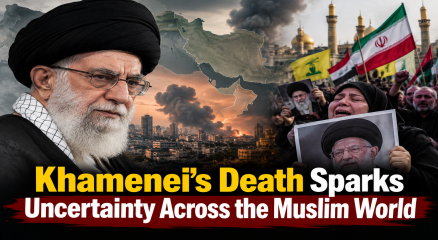

Saudi Arabia, Turkey and Pakistan are reportedly seeking to strengthen their military cooperation as tensions surrounding Yemen’s Houthi movement raise concerns about regional security. The reported Mecca Defence Pact could establish a framework for closer coordination, intelligence-sharing and potential military assistance if any participating country faces a serious security threat. The development comes amid renewed fighting in Yemen, where forces aligned with the internationally recognised government are attempting to regain strategic territories held by the Houthis. The conflict has increased concerns about the security of Saudi Arabia and the stability of important maritime routes, particularly the Bab el-Mandeb Strait, which connects the Red Sea with the Gulf of Aden and serves as a vital corridor for international trade. The Houthis have reportedly claimed attacks against important Saudi facilities, including aviation and energy infrastructure. However, the details and impact of these alleged attacks require independent verification. Any escalation could threaten regional stability, disrupt commercial shipping and increase pressure on energy markets. Closer cooperation among Riyadh, Ankara and Islamabad could strengthen their collective security capabilities and influence the regional balance of power. Nevertheless, the extent of their commitments, the possibility of deploying troops and the agreement’s operational arrangements depend on its confirmed terms and official decisions. The reported initiative highlights growing concerns over Yemen’s conflict and its wider implications for the Middle East. Whether the partnership develops into a fully operational defence framework will depend on military coordination, political commitments and efforts to prevent further escalation.




In May 2025, tensions between India and Pakistan escalated into a serious military confrontation following a deadly attack in Pahalgam, in Indian-administered Kashmir. On April 22, 26 people were killed in an armed attack that shocked the region and triggered a sharp deterioration in relations between the two neighboring countries. India accused Pakistan-based militant groups of involvement, while Pakistan denied the allegations and called for an investigation. On May 7, India launched Operation Sindoor, targeting several locations in Pakistan and Pakistan-administered Kashmir. Indian authorities described the operation as an effort to dismantle terrorist infrastructure. Pakistan condemned the strikes as a violation of its sovereignty and threatened to respond. The situation deteriorated further over the following days. Pakistan announced Operation Bunyan-um-Marsoos in response to India's military action. Both countries reported the use of drones, missiles, and air-defense systems, while exchanges of fire increased concerns along the border. The confrontation raised fears of a wider conflict between the two nuclear-armed nations. As hostilities intensified, the international community urged both sides to exercise restraint. The United States and other countries called for de-escalation and diplomatic engagement. On May 10, India and Pakistan agreed to stop military action. Washington stated that it had played a mediating role in facilitating the understanding, although the two countries' accounts of the diplomatic process differed. Despite the ceasefire, tensions did not disappear immediately. Both sides subsequently reported incidents and exchanged accusations over alleged violations. The confrontation also raised concerns about regional security, civilian safety, air travel, tourism, and economic activity in affected areas. Regional Impact and Outlook The May 2025 conflict highlighted the risks posed by longstanding political disputes, cross-border security concerns, and declining diplomatic trust. Although the ceasefire helped halt the immediate escalation, major issues—including Kashmir, terrorism-related allegations, and border security—remained unresolved. The episode reinforced the importance of sustained diplomatic dialogue, military communication channels, and confidence-building measures. For South Asia, lasting peace will depend not only on preventing further military confrontation but also on addressing the underlying disputes that continue to strain relations between India and Pakistan.