Social media continues to transform the way people communicate, discover information and interact with the world. Platforms such as Facebook, Instagram, TikTok and YouTube have become important parts of daily life, connecting individuals across countries and making information accessible within seconds.
Businesses increasingly use social networks to reach customers, promote products and build relationships with their audiences. Meanwhile, students, independent creators and small entrepreneurs are using digital platforms to share knowledge, develop new skills and create opportunities for income.
However, the rapid growth of social media has also raised concerns about misinformation, online scams, privacy violations and excessive screen time. False claims can spread quickly, sometimes creating confusion before reliable information becomes available. Users may also face risks when sharing personal details or interacting with unknown accounts.
Experts and digital safety advocates frequently encourage users to verify information before sharing it, use strong account security and review privacy settings regularly. Parents and educators also face the challenge of helping younger users develop healthy online habits.
Artificial intelligence is adding another layer of change, making it easier to create videos, edit images, translate content and recommend posts based on individual interests. At the same time, AI-generated misinformation and manipulated media are creating new challenges for platforms and audiences. As social media continues to evolve, its long-term impact will depend on how effectively technology companies, governments and users address these risks while protecting freedom of expression and access to information.
In an increasingly visual world, photography has evolved far beyond a hobby—it has become a powerful tool of connection, identity, and even resistance. From the alleyways of Marrakech to the streets of Tokyo, people around the globe are using photography to capture their realities, share their truths, and reimagine how we see the world. In 2025, the art of photography is no longer limited to professionals or those with expensive equipment. With powerful cameras embedded in nearly every smartphone and editing apps accessible to all, the global population has become a generation of storytellers. New Language of Expression Photography has become the most universal visual language—transcending borders, politics, and even spoken words. A single image can spark movements, ignite conversations, and bring attention to marginalized voices. From the war-torn zones of Gaza and Ukraine to peaceful protests in Europe and climate marches in South America, everyday citizens are documenting history in real time. These raw, unfiltered images often make their way to global audiences faster than traditional news media. "The smartphone is the new pen," says French photojournalist Camille Laurent. "People don’t just take photos—they share their worldviews." The Rise of Visual Identity In cities like New York, Seoul, and Berlin, photography has become deeply intertwined with personal branding. On platforms like Instagram and Threads, visuals are the currency of influence. Whether it’s fashion, travel, activism, or mental health, photography is the lens through which individuals craft and project their identity. This has also sparked a global aesthetic—where minimalist cafes in Istanbul resemble those in Paris, and sunlit "golden hour" selfies are universal. Yet within this visual sameness, cultural uniqueness is also being celebrated. Photographers are reclaiming their heritage—using traditional attire, rural landscapes, and local rituals to tell stories that challenge stereotypes and global homogenization. AI, Ethics & The Future As artificial intelligence blends with photography, questions of ethics and authenticity are surfacing. AI-generated portraits and edited realities raise concerns about truth, body image, and media manipulation. Yet, at the same time, AI tools are empowering more people to create stunning visuals without formal training—democratizing creativity in ways never imagined. "We’re entering an era where the line between photography and digital art is blurring," notes Japanese visual artist Rei Nakamura. "But the emotion behind the image still matters most." A Global Bond In refugee camps in Jordan, schoolchildren are given disposable cameras to capture their lives. In Scandinavian forests, nature photographers use drones to document wildlife. On African coastlines, photographers are preserving indigenous stories that were never written down. Despite the diversity of context, one thing is clear: photography connects humanity. It offers empathy. It builds bridges. In the words of American photographer Dorothea Lange, "Photography takes an instant out of time, altering life by holding it still." And today, more than ever, the world is watching—frame by frame.
A major new international study has found a strong link between excessive screen time and mental health challenges in adolescents, including rising rates of insomnia, anxiety, and depression. The report, published by the Global Youth Wellness Foundation (GYWF), surveyed 72,000 teenagers aged 13 to 19 across 20 countries, including Bangladesh, the U.S., UK, and Japan. The study revealed that teenagers who spend more than 4 hours a day on social media or smartphones are twice as likely to report symptoms of poor sleep quality, mood swings, and lack of motivation. Digital Overload and the "Always-On" Culture "Teens today are exposed to a constant stream of notifications, comparisons, and content that overstimulates the brain," said Dr. Nafisa Chowdhury, lead researcher on the Bangladesh team. “It disrupts their sleep cycles, reduces face-to-face interactions, and fuels self-esteem issues.” Many teens reported checking their phones immediately before sleeping and even waking up at night to respond to messages or scroll through TikTok and Instagram. Mental Health Crisis in the Digital Age The study found: 34% of respondents reported signs of clinical depression 41% had trouble sleeping more than 3 nights a week 29% felt "chronically anxious" or socially disconnected Girls were more likely to report emotional distress linked to social media use In Dhaka, psychologists at private clinics say they’ve seen a threefold increase in teen patients over the past two years. What Experts Recommend Digital curfews: No screens 1 hour before bed App timers: Set daily limits for entertainment/social platforms Offline time: Encourage outdoor activities or family meals Mental health education: Include digital wellness in school curriculum Government Initiatives Underway In response to the growing concern, Bangladesh’s Ministry of Education is working with health officials to launch a "Safe Screens" campaign in schools, promoting healthy digital habits and offering workshops for both students and parents. “This is a national issue, and we must protect our next generation,” said Dr. Mostafa Kamal, advisor to the National Adolescent Health Program.
Paris Fashion Week 2025 has concluded with a powerful message to the global fashion industry: sustainability, cultural diversity, and innovation are no longer optional but essential. This year’s event, held at the iconic Grand Palais, brought together designers, models, and fashion enthusiasts from around the world to witness a significant shift in creative direction. One of the most notable highlights of this year’s shows was the overwhelming emphasis on eco-conscious fashion. Leading brands such as Dior, Balenciaga, and Stella McCartney introduced collections made entirely from sustainable materials. Stella McCartney, known for her commitment to ethical fashion, showcased garments made from plant-based leather alternatives, recycled fabrics, and organic textiles. She remarked during her post-show conference that “sustainability is no longer just a concept; it is the future of fashion.” In addition to environmental responsibility, cultural representation was strongly present throughout the event. Designers from various regions, including Africa, South Asia, and Latin America, infused their collections with traditional elements. Indian designer Anita Kumar received widespread praise for her contemporary interpretation of the sari, incorporating digital embroidery and minimalistic draping. Nigerian label Ogechi blended bold Ankara prints with modern streetwear cuts, making a statement about heritage and identity in the modern world. Technology also played a significant role this year. Several designers experimented with smart fabrics, augmented reality (AR) experiences, and even garments that change color or shape based on environmental conditions. One of the most talked-about presentations was a 3D-printed dress that moved in sync with music, creating an immersive experience that quickly went viral on social media platforms. Inclusivity was another key theme. The runways featured models of all body types, genders, and ethnic backgrounds. Many praised this year’s fashion week for finally representing a more realistic and diverse image of beauty that resonates with audiences worldwide. Paris Fashion Week 2025 has set a new benchmark, reminding the industry that fashion is not only about aesthetics but also about responsibility, technology, and authenticity. As buyers and critics return home, the global industry is left with a clear message: the future of fashion is sustainable, inclusive, and culturally rich.
Paris Fashion Week 2025 has concluded with a powerful message to the global fashion industry: sustainability, cultural diversity, and innovation are no longer optional but essential. This year’s event, held at the iconic Grand Palais, brought together designers, models, and fashion enthusiasts from around the world to witness a significant shift in creative direction. One of the most notable highlights of this year’s shows was the overwhelming emphasis on eco-conscious fashion. Leading brands such as Dior, Balenciaga, and Stella McCartney introduced collections made entirely from sustainable materials. Stella McCartney, known for her commitment to ethical fashion, showcased garments made from plant-based leather alternatives, recycled fabrics, and organic textiles. She remarked during her post-show conference that “sustainability is no longer just a concept; it is the future of fashion.” In addition to environmental responsibility, cultural representation was strongly present throughout the event. Designers from various regions, including Africa, South Asia, and Latin America, infused their collections with traditional elements. Indian designer Anita Kumar received widespread praise for her contemporary interpretation of the sari, incorporating digital embroidery and minimalistic draping. Nigerian label Ogechi blended bold Ankara prints with modern streetwear cuts, making a statement about heritage and identity in the modern world. Technology also played a significant role this year. Several designers experimented with smart fabrics, augmented reality (AR) experiences, and even garments that change color or shape based on environmental conditions. One of the most talked-about presentations was a 3D-printed dress that moved in sync with music, creating an immersive experience that quickly went viral on social media platforms. Inclusivity was another key theme. The runways featured models of all body types, genders, and ethnic backgrounds. Many praised this year’s fashion week for finally representing a more realistic and diverse image of beauty that resonates with audiences worldwide. Paris Fashion Week 2025 has set a new benchmark, reminding the industry that fashion is not only about aesthetics but also about responsibility, technology, and authenticity. As buyers and critics return home, the global industry is left with a clear message: the future of fashion is sustainable, inclusive, and culturally rich.
Paris Fashion Week 2025 has concluded with a powerful message to the global fashion industry: sustainability, cultural diversity, and innovation are no longer optional but essential. This year’s event, held at the iconic Grand Palais, brought together designers, models, and fashion enthusiasts from around the world to witness a significant shift in creative direction. One of the most notable highlights of this year’s shows was the overwhelming emphasis on eco-conscious fashion. Leading brands such as Dior, Balenciaga, and Stella McCartney introduced collections made entirely from sustainable materials. Stella McCartney, known for her commitment to ethical fashion, showcased garments made from plant-based leather alternatives, recycled fabrics, and organic textiles. She remarked during her post-show conference that “sustainability is no longer just a concept; it is the future of fashion.” In addition to environmental responsibility, cultural representation was strongly present throughout the event. Designers from various regions, including Africa, South Asia, and Latin America, infused their collections with traditional elements. Indian designer Anita Kumar received widespread praise for her contemporary interpretation of the sari, incorporating digital embroidery and minimalistic draping. Nigerian label Ogechi blended bold Ankara prints with modern streetwear cuts, making a statement about heritage and identity in the modern world. Technology also played a significant role this year. Several designers experimented with smart fabrics, augmented reality (AR) experiences, and even garments that change color or shape based on environmental conditions. One of the most talked-about presentations was a 3D-printed dress that moved in sync with music, creating an immersive experience that quickly went viral on social media platforms. Inclusivity was another key theme. The runways featured models of all body types, genders, and ethnic backgrounds. Many praised this year’s fashion week for finally representing a more realistic and diverse image of beauty that resonates with audiences worldwide. Paris Fashion Week 2025 has set a new benchmark, reminding the industry that fashion is not only about aesthetics but also about responsibility, technology, and authenticity. As buyers and critics return home, the global industry is left with a clear message: the future of fashion is sustainable, inclusive, and culturally rich.



Social media continues to transform the way people communicate, discover information and interact with the world. Platforms such as Facebook, Instagram, TikTok and YouTube have become important parts of daily life, connecting individuals across countries and making information accessible within seconds. Businesses increasingly use social networks to reach customers, promote products and build relationships with their audiences. Meanwhile, students, independent creators and small entrepreneurs are using digital platforms to share knowledge, develop new skills and create opportunities for income. However, the rapid growth of social media has also raised concerns about misinformation, online scams, privacy violations and excessive screen time. False claims can spread quickly, sometimes creating confusion before reliable information becomes available. Users may also face risks when sharing personal details or interacting with unknown accounts. Experts and digital safety advocates frequently encourage users to verify information before sharing it, use strong account security and review privacy settings regularly. Parents and educators also face the challenge of helping younger users develop healthy online habits. Artificial intelligence is adding another layer of change, making it easier to create videos, edit images, translate content and recommend posts based on individual interests. At the same time, AI-generated misinformation and manipulated media are creating new challenges for platforms and audiences. As social media continues to evolve, its long-term impact will depend on how effectively technology companies, governments and users address these risks while protecting freedom of expression and access to information.



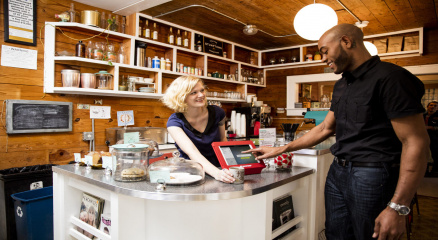
Chattogram, July 20, 2025 — In the bustling alleys of Bangladesh’s cities and towns, the age-old cries of street vendors are being steadily replaced by the silent buzz of smartphones. Facebook Marketplace has quietly emerged as a game-changer for thousands of small vendors across the country, redefining how business is done in an increasingly digital world. From clothing and accessories to electronics and handmade crafts, sellers who once relied on door-to-door sales or modest market stalls are now turning to social media to reach a nationwide customer base — without the overhead of physical storefronts. Take the story of Jahidul Islam from Comilla. Once dependent on walking door to door with a heavy bag of clothes, he now operates from his home with a smartphone and a Facebook page. “I used to knock on 20 doors a day just to sell a few pieces,” he said. “Now, I post pictures online and get orders from all over the country — sometimes even from outside Bangladesh.” His story reflects a wider trend sweeping through both rural and urban Bangladesh: the rise of the digital entrepreneur. This digital shift, accelerated by increased smartphone penetration and affordable internet, is not only transforming commerce — it's changing lives. For many small vendors, particularly women, students, and low-income individuals, Facebook Marketplace provides a flexible, low-cost entry into business. Housewives are turning into online boutique owners. University students are selling gadgets or fashion items between classes. In places where job opportunities are limited, online selling offers a sense of economic independence and self-worth. The Impact at a Glance: Aspect Before Marketplace After Marketplace Startup cost High (shop rent, permits) Low (smartphone & internet) Customer reach Local only Nationwide (even diaspora) Business hours Limited to market hours 24/7 availability Job creation Minimal Growing micro-entrepreneurship Female participation Low Significantly increasing However, this success is not without its complications. With the rise in popularity of Facebook-based businesses, there has also been an increase in fraudulent activities. From misleading product photos and fake brands to outright scams where customers pay but never receive their orders, the lack of formal regulation and oversight is becoming a serious concern. Consumer rights groups report a growing number of complaints related to online transactions, with many victims having little to no legal recourse.“Fraudulent pages are popping up every day,” warns Tania Kabir, a digital rights activist in Dhaka. “People are losing money, and there's no centralized system to hold these vendors accountable. We need government and platform-level regulation that doesn’t hurt honest sellers but protects consumers.” The Bangladesh Telecommunication Regulatory Commission (BTRC) has also acknowledged the need for stronger oversight. Efforts are underway to create a verified seller badge for trustworthy Facebook businesses, as well as a dedicated complaint mechanism linked to the Ministry of Commerce’s consumer rights protection wing. But implementation remains slow, and many sellers remain wary of any policies that may increase their operational costs or introduce red tape. Despite the challenges, Facebook Marketplace continues to flourish. Its success also hints at a larger opportunity — the possibility of creating a more structured, digitally-driven small business ecosystem in Bangladesh. If paired with training in digital literacy, basic e-commerce, and customer service, this grassroots online economy could significantly reduce unemployment and increase income in low- and middle-income communities. Experts suggest that future success lies in partnerships between government, tech platforms, and local NGOs to create support systems for these digital entrepreneurs. Programs offering microloans, digital marketing training, and platform accountability could ensure that Facebook Marketplace continues to be not just a trend, but a long-term driver of economic change. For now, in towns like Chattogram, Rajshahi, Sylhet, and Comilla, Facebook Marketplace is more than a tool — it’s a livelihood. A digital lifeline that empowers the ambitious, supports families, and brings business to doorsteps — not with a knock, but with a notification. Bottom Line: As Bangladesh navigates its way through economic transitions, Facebook Marketplace has emerged as a powerful enabler of digital entrepreneurship. With proper support, regulation, and consumer protection, this informal sector could become a formal force in shaping the future of the country’s economy.



Dhaka – Social media has become the heartbeat of youth culture in 2025, influencing everything from fashion and music to language and identity. For millions of teenagers and young adults in Bangladesh and across the globe, platforms like TikTok, Instagram, and YouTube are not just digital tools — they are cultural spaces where trends are born, shared, and reshaped every hour. According to a recent study by the Centre for Digital Youth, over 85% of teenagers in urban Bangladesh spend more than three hours daily on social media. The report highlights how these platforms have evolved into powerful agents of influence — changing how the younger generation dresses, speaks, socializes, and even views the world. “I get all my ideas from social media — what to wear, what to listen to, what new spots to hang out at,” said Samiya Rahman, a 17-year-old student from Dhaka. “Sometimes I feel like I’m living two lives — one offline, one online.” TikTok, in particular, remains the most influential platform among youth. Viral challenges, dance routines, cooking hacks, fashion transitions, and motivational reels dominate the feed. Bangladeshi content creators like Tanzim Khan, Oishee Rahman, and Fahim Vlogs have become household names among Gen Z followers. Instagram, on the other hand, is still the go-to for curated personal branding. Young people use Stories and Reels to document their daily lives, achievements, activism, and style — often edited with filters, music, and effects to match aesthetic trends. But with this hyper-connectivity comes a complex web of pressures. Digital comparison, fear of missing out (FOMO), and the pursuit of perfection have led to rising anxiety, low self-esteem, and screen dependency. “Social media is giving young people a platform to express themselves, but also putting them under enormous pressure to look perfect and stay ‘on trend,’” said Dr. Mahbuba Sultana, a child psychologist. “We need more open conversations around digital wellness.” Peer influence is also shifting. Instead of traditional role models like athletes or actors, teens are now following micro-influencers and content creators who speak their language and share their struggles. Topics like mental health, gender identity, climate change, and self-love are gaining traction — often started by young users themselves. In response to growing concerns, some schools are introducing digital citizenship classes to teach students how to use social media responsibly, spot misinformation, and balance screen time with real-life interactions. Despite the concerns, many believe social media has given the youth more freedom, visibility, and voice than any generation before. “I’ve learned more about confidence, culture, and creativity from my TikTok feed than from my textbooks,” said Ayman Nafi, an 18-year-old aspiring content creator from Sylhet. “It’s where we all connect and grow.” As the youth continue to define their generation online, experts call for greater digital literacy, parental understanding, and platform responsibility to ensure that the online world remains a space for empowerment — not pressure.