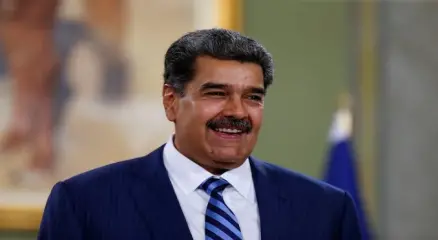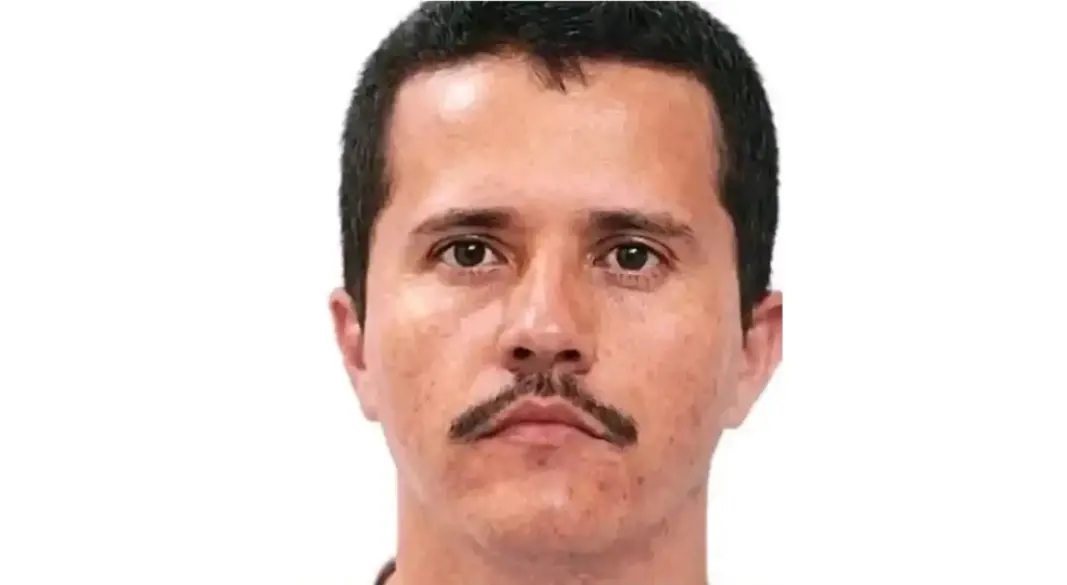
Mexico faced renewed security challenges following the death of Nemesio Oseguera Cervantes, known as El Mencho, the leader of the Jalisco New Generation Cartel (CJNG). He was killed during a military operation in Jalisco state on February 22, 2026, marking a significant development in the country’s long-running campaign against organized crime.
El Mencho had become one of Mexico’s most prominent criminal figures through his leadership of the CJNG, an organization associated with international drug trafficking and violent clashes with security forces and rival groups. Authorities had pursued him for years as the cartel expanded its influence across Mexico and into international markets.
His death was followed by reports of burning vehicles, blocked roads and suspected cartel attacks in several areas. Security forces increased their presence as officials worked to contain the unrest and protect local communities. The operation also raised questions about who would control the cartel following the loss of its leader. Experts have long warned that the removal of a major criminal figure can create competition within an organization without automatically ending its operations.
For Mexico, the challenge now extends beyond eliminating individual leaders. Authorities must also confront criminal networks, illegal weapons, drug trafficking and the violence affecting communities. The longer-term impact of El Mencho’s death will depend on whether security operations can weaken the cartel’s structure and prevent further retaliation.
In an increasingly visual world, photography has evolved far beyond a hobby—it has become a powerful tool of connection, identity, and even resistance. From the alleyways of Marrakech to the streets of Tokyo, people around the globe are using photography to capture their realities, share their truths, and reimagine how we see the world. In 2025, the art of photography is no longer limited to professionals or those with expensive equipment. With powerful cameras embedded in nearly every smartphone and editing apps accessible to all, the global population has become a generation of storytellers. New Language of Expression Photography has become the most universal visual language—transcending borders, politics, and even spoken words. A single image can spark movements, ignite conversations, and bring attention to marginalized voices. From the war-torn zones of Gaza and Ukraine to peaceful protests in Europe and climate marches in South America, everyday citizens are documenting history in real time. These raw, unfiltered images often make their way to global audiences faster than traditional news media. "The smartphone is the new pen," says French photojournalist Camille Laurent. "People don’t just take photos—they share their worldviews." The Rise of Visual Identity In cities like New York, Seoul, and Berlin, photography has become deeply intertwined with personal branding. On platforms like Instagram and Threads, visuals are the currency of influence. Whether it’s fashion, travel, activism, or mental health, photography is the lens through which individuals craft and project their identity. This has also sparked a global aesthetic—where minimalist cafes in Istanbul resemble those in Paris, and sunlit "golden hour" selfies are universal. Yet within this visual sameness, cultural uniqueness is also being celebrated. Photographers are reclaiming their heritage—using traditional attire, rural landscapes, and local rituals to tell stories that challenge stereotypes and global homogenization. AI, Ethics & The Future As artificial intelligence blends with photography, questions of ethics and authenticity are surfacing. AI-generated portraits and edited realities raise concerns about truth, body image, and media manipulation. Yet, at the same time, AI tools are empowering more people to create stunning visuals without formal training—democratizing creativity in ways never imagined. "We’re entering an era where the line between photography and digital art is blurring," notes Japanese visual artist Rei Nakamura. "But the emotion behind the image still matters most." A Global Bond In refugee camps in Jordan, schoolchildren are given disposable cameras to capture their lives. In Scandinavian forests, nature photographers use drones to document wildlife. On African coastlines, photographers are preserving indigenous stories that were never written down. Despite the diversity of context, one thing is clear: photography connects humanity. It offers empathy. It builds bridges. In the words of American photographer Dorothea Lange, "Photography takes an instant out of time, altering life by holding it still." And today, more than ever, the world is watching—frame by frame.
Paris Fashion Week 2025 has concluded with a powerful message to the global fashion industry: sustainability, cultural diversity, and innovation are no longer optional but essential. This year’s event, held at the iconic Grand Palais, brought together designers, models, and fashion enthusiasts from around the world to witness a significant shift in creative direction. One of the most notable highlights of this year’s shows was the overwhelming emphasis on eco-conscious fashion. Leading brands such as Dior, Balenciaga, and Stella McCartney introduced collections made entirely from sustainable materials. Stella McCartney, known for her commitment to ethical fashion, showcased garments made from plant-based leather alternatives, recycled fabrics, and organic textiles. She remarked during her post-show conference that “sustainability is no longer just a concept; it is the future of fashion.” In addition to environmental responsibility, cultural representation was strongly present throughout the event. Designers from various regions, including Africa, South Asia, and Latin America, infused their collections with traditional elements. Indian designer Anita Kumar received widespread praise for her contemporary interpretation of the sari, incorporating digital embroidery and minimalistic draping. Nigerian label Ogechi blended bold Ankara prints with modern streetwear cuts, making a statement about heritage and identity in the modern world. Technology also played a significant role this year. Several designers experimented with smart fabrics, augmented reality (AR) experiences, and even garments that change color or shape based on environmental conditions. One of the most talked-about presentations was a 3D-printed dress that moved in sync with music, creating an immersive experience that quickly went viral on social media platforms. Inclusivity was another key theme. The runways featured models of all body types, genders, and ethnic backgrounds. Many praised this year’s fashion week for finally representing a more realistic and diverse image of beauty that resonates with audiences worldwide. Paris Fashion Week 2025 has set a new benchmark, reminding the industry that fashion is not only about aesthetics but also about responsibility, technology, and authenticity. As buyers and critics return home, the global industry is left with a clear message: the future of fashion is sustainable, inclusive, and culturally rich.
A major new international study has found a strong link between excessive screen time and mental health challenges in adolescents, including rising rates of insomnia, anxiety, and depression. The report, published by the Global Youth Wellness Foundation (GYWF), surveyed 72,000 teenagers aged 13 to 19 across 20 countries, including Bangladesh, the U.S., UK, and Japan. The study revealed that teenagers who spend more than 4 hours a day on social media or smartphones are twice as likely to report symptoms of poor sleep quality, mood swings, and lack of motivation. Digital Overload and the "Always-On" Culture "Teens today are exposed to a constant stream of notifications, comparisons, and content that overstimulates the brain," said Dr. Nafisa Chowdhury, lead researcher on the Bangladesh team. “It disrupts their sleep cycles, reduces face-to-face interactions, and fuels self-esteem issues.” Many teens reported checking their phones immediately before sleeping and even waking up at night to respond to messages or scroll through TikTok and Instagram. Mental Health Crisis in the Digital Age The study found: 34% of respondents reported signs of clinical depression 41% had trouble sleeping more than 3 nights a week 29% felt "chronically anxious" or socially disconnected Girls were more likely to report emotional distress linked to social media use In Dhaka, psychologists at private clinics say they’ve seen a threefold increase in teen patients over the past two years. What Experts Recommend Digital curfews: No screens 1 hour before bed App timers: Set daily limits for entertainment/social platforms Offline time: Encourage outdoor activities or family meals Mental health education: Include digital wellness in school curriculum Government Initiatives Underway In response to the growing concern, Bangladesh’s Ministry of Education is working with health officials to launch a "Safe Screens" campaign in schools, promoting healthy digital habits and offering workshops for both students and parents. “This is a national issue, and we must protect our next generation,” said Dr. Mostafa Kamal, advisor to the National Adolescent Health Program.
Paris Fashion Week 2025 has concluded with a powerful message to the global fashion industry: sustainability, cultural diversity, and innovation are no longer optional but essential. This year’s event, held at the iconic Grand Palais, brought together designers, models, and fashion enthusiasts from around the world to witness a significant shift in creative direction. One of the most notable highlights of this year’s shows was the overwhelming emphasis on eco-conscious fashion. Leading brands such as Dior, Balenciaga, and Stella McCartney introduced collections made entirely from sustainable materials. Stella McCartney, known for her commitment to ethical fashion, showcased garments made from plant-based leather alternatives, recycled fabrics, and organic textiles. She remarked during her post-show conference that “sustainability is no longer just a concept; it is the future of fashion.” In addition to environmental responsibility, cultural representation was strongly present throughout the event. Designers from various regions, including Africa, South Asia, and Latin America, infused their collections with traditional elements. Indian designer Anita Kumar received widespread praise for her contemporary interpretation of the sari, incorporating digital embroidery and minimalistic draping. Nigerian label Ogechi blended bold Ankara prints with modern streetwear cuts, making a statement about heritage and identity in the modern world. Technology also played a significant role this year. Several designers experimented with smart fabrics, augmented reality (AR) experiences, and even garments that change color or shape based on environmental conditions. One of the most talked-about presentations was a 3D-printed dress that moved in sync with music, creating an immersive experience that quickly went viral on social media platforms. Inclusivity was another key theme. The runways featured models of all body types, genders, and ethnic backgrounds. Many praised this year’s fashion week for finally representing a more realistic and diverse image of beauty that resonates with audiences worldwide. Paris Fashion Week 2025 has set a new benchmark, reminding the industry that fashion is not only about aesthetics but also about responsibility, technology, and authenticity. As buyers and critics return home, the global industry is left with a clear message: the future of fashion is sustainable, inclusive, and culturally rich.
Paris Fashion Week 2025 has concluded with a powerful message to the global fashion industry: sustainability, cultural diversity, and innovation are no longer optional but essential. This year’s event, held at the iconic Grand Palais, brought together designers, models, and fashion enthusiasts from around the world to witness a significant shift in creative direction. One of the most notable highlights of this year’s shows was the overwhelming emphasis on eco-conscious fashion. Leading brands such as Dior, Balenciaga, and Stella McCartney introduced collections made entirely from sustainable materials. Stella McCartney, known for her commitment to ethical fashion, showcased garments made from plant-based leather alternatives, recycled fabrics, and organic textiles. She remarked during her post-show conference that “sustainability is no longer just a concept; it is the future of fashion.” In addition to environmental responsibility, cultural representation was strongly present throughout the event. Designers from various regions, including Africa, South Asia, and Latin America, infused their collections with traditional elements. Indian designer Anita Kumar received widespread praise for her contemporary interpretation of the sari, incorporating digital embroidery and minimalistic draping. Nigerian label Ogechi blended bold Ankara prints with modern streetwear cuts, making a statement about heritage and identity in the modern world. Technology also played a significant role this year. Several designers experimented with smart fabrics, augmented reality (AR) experiences, and even garments that change color or shape based on environmental conditions. One of the most talked-about presentations was a 3D-printed dress that moved in sync with music, creating an immersive experience that quickly went viral on social media platforms. Inclusivity was another key theme. The runways featured models of all body types, genders, and ethnic backgrounds. Many praised this year’s fashion week for finally representing a more realistic and diverse image of beauty that resonates with audiences worldwide. Paris Fashion Week 2025 has set a new benchmark, reminding the industry that fashion is not only about aesthetics but also about responsibility, technology, and authenticity. As buyers and critics return home, the global industry is left with a clear message: the future of fashion is sustainable, inclusive, and culturally rich.


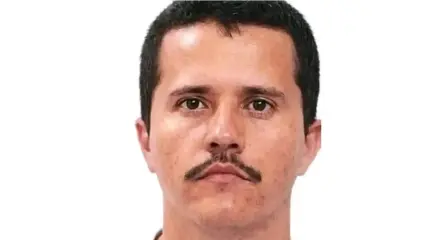
Mexico faced renewed security challenges following the death of Nemesio Oseguera Cervantes, known as El Mencho, the leader of the Jalisco New Generation Cartel (CJNG). He was killed during a military operation in Jalisco state on February 22, 2026, marking a significant development in the country’s long-running campaign against organized crime. El Mencho had become one of Mexico’s most prominent criminal figures through his leadership of the CJNG, an organization associated with international drug trafficking and violent clashes with security forces and rival groups. Authorities had pursued him for years as the cartel expanded its influence across Mexico and into international markets. His death was followed by reports of burning vehicles, blocked roads and suspected cartel attacks in several areas. Security forces increased their presence as officials worked to contain the unrest and protect local communities. The operation also raised questions about who would control the cartel following the loss of its leader. Experts have long warned that the removal of a major criminal figure can create competition within an organization without automatically ending its operations. For Mexico, the challenge now extends beyond eliminating individual leaders. Authorities must also confront criminal networks, illegal weapons, drug trafficking and the violence affecting communities. The longer-term impact of El Mencho’s death will depend on whether security operations can weaken the cartel’s structure and prevent further retaliation.
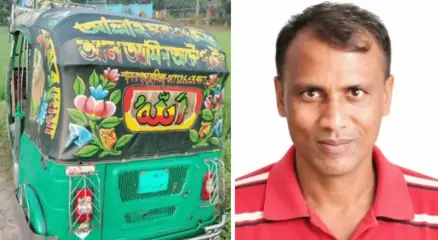
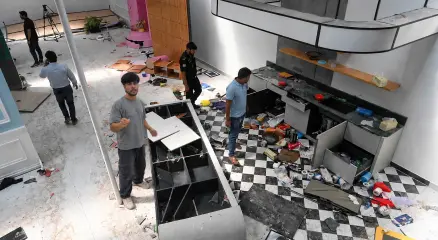
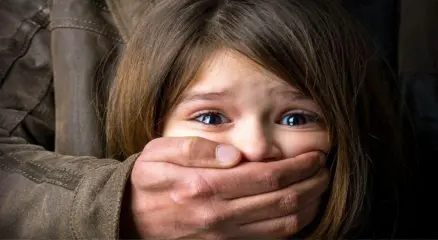

A 56-year-old woman was killed and her husband seriously wounded in a knife attack allegedly carried out by their son at their home in Kurigram Sadar upazila early Wednesday. The incident took place in Belgachha Union around dawn, according to Kamal Hossain, officer-in-charge of Kurigram Sadar Police Station. The victim was identified as Munira Begum, while her husband, Sardar Ali, 65, a retired textile engineer, was rushed to Rangpur Medical College Hospital for advanced treatment. Police and local sources said their son, Mostakin Alam Shovon, 35, allegedly attacked his parents before escaping. He was reportedly struggling with drug addiction, and his family had sent him to rehabilitation centres several times. However, he repeatedly left those facilities. The family was reportedly planning to send him to rehabilitation again. On Wednesday morning, staff from a rehabilitation centre in Sirajganj arrived at the house to take him there. According to the initial account, Shovon allegedly stabbed his mother in the chest after learning about the plan. When his father tried to intervene, he was repeatedly stabbed in the abdomen. Rehabilitation centre staff rushed the injured couple to Kurigram General Hospital, where doctors declared Munira dead. Her husband was later transferred to Rangpur for specialised medical care.
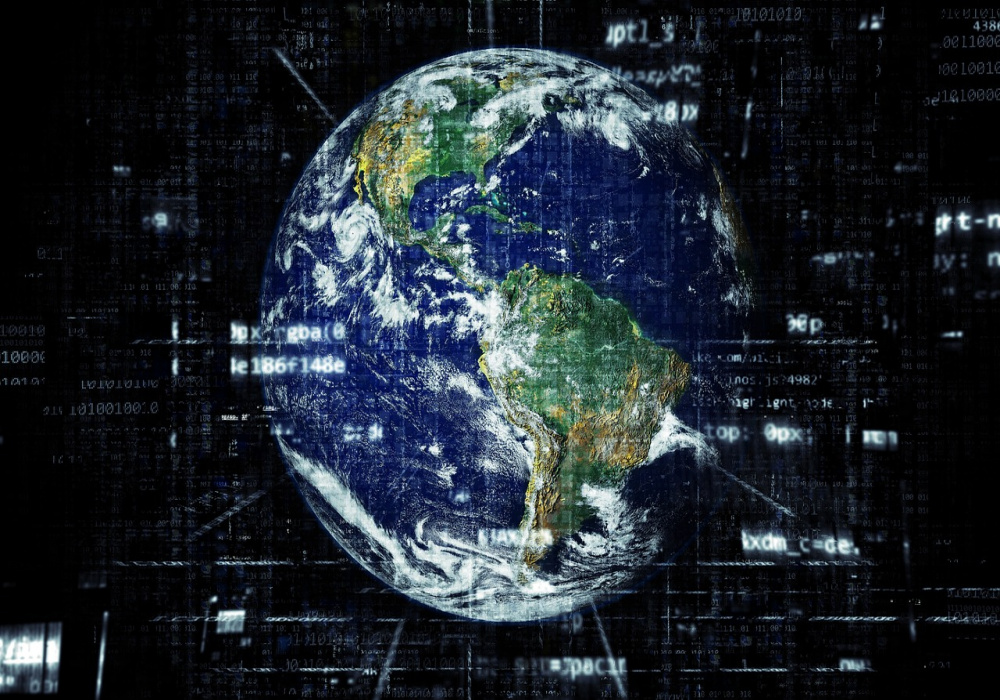



In an astonishing turn of events, a rising social media influencer known for her luxurious lifestyle and motivational content was arrested on Sunday in connection with a multi-crore online scam operation. The arrest has sent shockwaves across the digital world, particularly among her millions of followers who once admired her as a symbol of success and inspiration. The Arrest At approximately 6:30 a.m. on Sunday morning, a team from the Cyber Crime Division of the Criminal Investigation Department (CID) conducted a raid at a high-end apartment complex in Gulshan, Dhaka. The prime suspect, 26-year-old Shanta Rahman—popularly known as "Shanta Queen" on TikTok—was taken into custody along with her personal assistant and two IT technicians. CID officials confirmed that the arrest came after a month-long investigation into a syndicate involved in duping people through fake e-commerce sites, lottery schemes, and phishing scams. Preliminary evidence indicates that Shanta was not only the face of the operation but also the planner and main beneficiary. The Rise to Fame Shanta Rahman began her journey as a beauty content creator in early 2021, initially uploading makeup tutorials, fitness tips, and motivational speeches. Within a year, she had amassed over 1.8 million followers on TikTok and a substantial following on YouTube and Instagram. With her charming personality, designer outfits, and luxury lifestyle, Shanta quickly became a role model for thousands of young people. Brands flocked to sponsor her content, and her growing popularity even earned her interviews on local TV shows. But behind the glitz and glamour, investigators say, lay a carefully orchestrated digital scam. The Modus Operandi According to CID’s findings, Shanta and her team had been running a string of fake online platforms since late 2022. These included: Fake E-commerce Stores: Websites selling electronics and luxury goods at too-good-to-be-true prices, accepting payments but never delivering products. Lottery Scams: Victims were promised massive cash rewards after paying a “processing fee” or “tax” to claim their prize. Phishing Operations: Imitation websites of legitimate financial institutions were used to collect sensitive banking data from unsuspecting users. CID reports that the scam network affected over 4,500 victims nationwide, with estimated financial damages exceeding ৳18 crore (approximately $1.6 million). Digital forensics have revealed that the operation used highly sophisticated web tools and anonymizing technologies to avoid detection. Payments were routed through multiple bank accounts, most registered under fake national IDs. The Face of Fraud While Shanta initially gained popularity as a lifestyle content creator, by mid-2023, her content started promoting quick-money schemes under the guise of "digital entrepreneurship." She urged followers to invest in “online ventures,” offering video testimonials from so-called “successful investors”—many of whom are now believed to be actors or manipulated AI-generated clips. “She leveraged her influencer status to gain trust. Her followers believed in her, and that’s what made the scam so effective,” said CID Additional Deputy Commissioner of Police (Cyber Crimes), Md. Faruque Hossain. “We’re calling this a modern digital Ponzi scheme. She used the trust economy of social media to commit crimes,” he added. Victims Speak Out After the arrest, several victims came forward on social media and to the press. One of them, 32-year-old Rezaul Karim from Rajshahi, claimed to have lost over ৳70,000 after trying to buy a DSLR camera from one of Shanta's promoted e-commerce websites. “She seemed trustworthy. Her videos made her look so professional and confident. I never imagined she could be a scammer,” he lamented. Another victim, a university student in Chattogram, said he was lured into an online "digital course" scheme where participants had to pay a fee to learn how to "earn from home." The course had no real value and disappeared after a few weeks. What the Authorities Found During the raid, CID officials seized: 8 high-end smartphones and 4 laptops loaded with tracking software Multiple fake SIM cards and national ID copies Three POS machines and multiple debit cards A whiteboard outlining scam funnel strategies Digital forensic analysts are currently retrieving data from cloud storage linked to her devices, which are expected to yield further insights into the depth of the scam. Shanta’s Defense In an initial court appearance on Monday, Shanta denied all charges, claiming she was unaware of the illegal activities and was being framed.“I run a business. I am a content creator, not a criminal,” she said, breaking down in front of reporters. “I didn’t know my marketing team was using my brand for scams.”However, CID officers remain firm in their position, stating that they have found “incontrovertible evidence” of her direct involvement, including voice messages, email exchanges, and financial transactions routed to her personal account. Social Media Reaction News of the arrest sparked mixed reactions on social media. While some fans expressed disbelief and support using the hashtag #FreeShanta, others felt betrayed and angry. “She fooled thousands. I used to trust her completely,” one TikTok comment read. Several influencers and digital creators issued public statements distancing themselves from Shanta and urging their followers to be cautious about where they invest their money. Legal Proceedings Shanta has been placed on a five-day remand for further interrogation. CID has also announced that more arrests are expected in the coming days, as evidence suggests the scam was not run by Shanta alone but involved a wider network of digital marketers, IT experts, and money mules. If convicted under the Digital Security Act 2018 and Penal Code sections relating to fraud and cybercrime, Shanta could face up to 10 years in prison along with heavy fines. Legal experts note that this case may set a precedent for how Bangladesh handles online influencer-related frauds in the future. The Bigger Picture Experts in cybersecurity and digital law argue that this case highlights a growing problem: unregulated influencer marketing and the dark side of digital fame. “Many influencers now have more reach and trust than traditional celebrities. This influence comes with responsibility, and clearly, some are misusing it for personal gain,” said Professor Anika Hossain, a digital ethics researcher at Dhaka University. “There needs to be more regulation, verification, and oversight—both from platforms and authorities,” she added. Conclusion The fall of Shanta Rahman is a cautionary tale about the intersection of fame, influence, and crime in the digital age. What started as a story of entrepreneurial success and inspiration has unraveled into one of deceit, manipulation, and exploitation. As the legal process unfolds, thousands of victims await justice, and a country watches closely—wondering how many more "digital stars" are hiding shadows behind their shine.