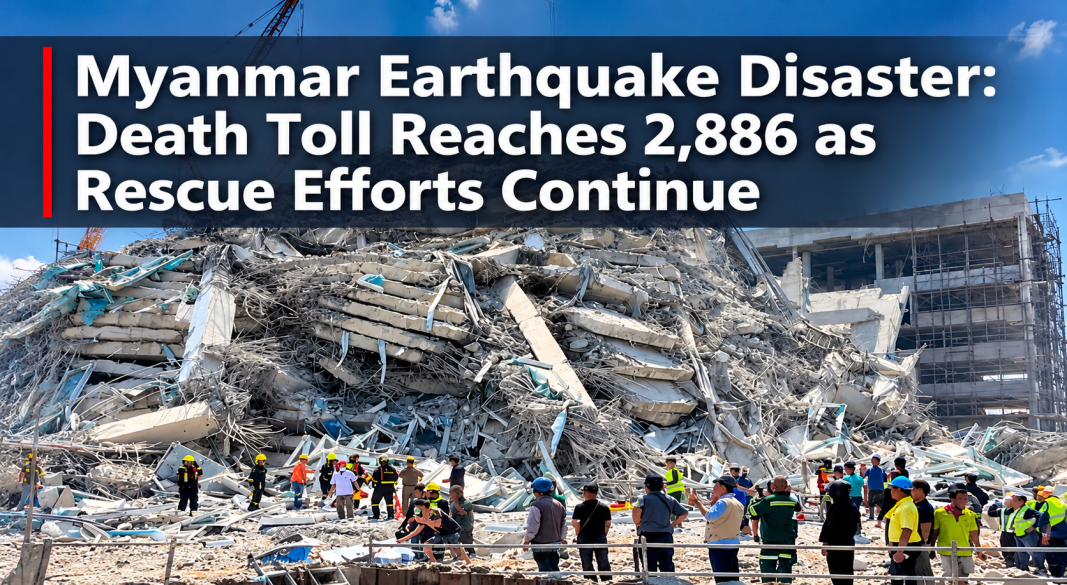
A devastating earthquake in Myanmar has caused widespread destruction, claiming thousands of lives and leaving many communities struggling to recover. According to reports published in the aftermath of the disaster, the death toll reached 2,886, while thousands of people sustained injuries. Numerous buildings collapsed, homes were damaged, and critical infrastructure suffered extensive destruction.
Rescue teams and local volunteers have been working to locate survivors trapped beneath collapsed structures. However, damaged roads, disrupted communications, and limited emergency resources have complicated relief operations in several affected areas. Authorities and emergency workers have continued efforts to reach vulnerable communities and provide assistance to those in urgent need.
Hospitals and temporary medical facilities have faced significant pressure as injured residents seek treatment. The demand for medicines, medical equipment, clean drinking water, food, and temporary shelter has increased considerably. Many families have lost their homes and are facing uncertainty as they attempt to secure basic necessities and reunite with missing relatives.
International humanitarian organizations have also played an important role in responding to the crisis. Relief agencies have worked to coordinate emergency assistance, support medical services, and deliver essential supplies to affected populations. Nevertheless, logistical difficulties and limited access to some locations have created additional challenges for aid distribution.
The earthquake has also raised concerns about aftershocks and the safety of buildings weakened by the initial tremor. Residents have been urged to follow official safety guidance and avoid entering damaged structures until they are declared safe. Emergency responders must also balance the urgent need to rescue survivors with the risks associated with unstable buildings and hazardous conditions.
Beyond the immediate loss of life, the disaster threatens to create long-term challenges for housing, healthcare, education, and economic recovery. Rebuilding damaged communities will require sustained humanitarian assistance, effective coordination, and substantial reconstruction efforts.
As Myanmar continues to respond to the aftermath of the earthquake, the priorities remain locating missing people, treating the injured, supporting displaced families, and restoring essential services. Accurate casualty figures and updated assessments of the damage will be vital to determining the scale of assistance required for recovery.
In an increasingly visual world, photography has evolved far beyond a hobby—it has become a powerful tool of connection, identity, and even resistance. From the alleyways of Marrakech to the streets of Tokyo, people around the globe are using photography to capture their realities, share their truths, and reimagine how we see the world. In 2025, the art of photography is no longer limited to professionals or those with expensive equipment. With powerful cameras embedded in nearly every smartphone and editing apps accessible to all, the global population has become a generation of storytellers. New Language of Expression Photography has become the most universal visual language—transcending borders, politics, and even spoken words. A single image can spark movements, ignite conversations, and bring attention to marginalized voices. From the war-torn zones of Gaza and Ukraine to peaceful protests in Europe and climate marches in South America, everyday citizens are documenting history in real time. These raw, unfiltered images often make their way to global audiences faster than traditional news media. "The smartphone is the new pen," says French photojournalist Camille Laurent. "People don’t just take photos—they share their worldviews." The Rise of Visual Identity In cities like New York, Seoul, and Berlin, photography has become deeply intertwined with personal branding. On platforms like Instagram and Threads, visuals are the currency of influence. Whether it’s fashion, travel, activism, or mental health, photography is the lens through which individuals craft and project their identity. This has also sparked a global aesthetic—where minimalist cafes in Istanbul resemble those in Paris, and sunlit "golden hour" selfies are universal. Yet within this visual sameness, cultural uniqueness is also being celebrated. Photographers are reclaiming their heritage—using traditional attire, rural landscapes, and local rituals to tell stories that challenge stereotypes and global homogenization. AI, Ethics & The Future As artificial intelligence blends with photography, questions of ethics and authenticity are surfacing. AI-generated portraits and edited realities raise concerns about truth, body image, and media manipulation. Yet, at the same time, AI tools are empowering more people to create stunning visuals without formal training—democratizing creativity in ways never imagined. "We’re entering an era where the line between photography and digital art is blurring," notes Japanese visual artist Rei Nakamura. "But the emotion behind the image still matters most." A Global Bond In refugee camps in Jordan, schoolchildren are given disposable cameras to capture their lives. In Scandinavian forests, nature photographers use drones to document wildlife. On African coastlines, photographers are preserving indigenous stories that were never written down. Despite the diversity of context, one thing is clear: photography connects humanity. It offers empathy. It builds bridges. In the words of American photographer Dorothea Lange, "Photography takes an instant out of time, altering life by holding it still." And today, more than ever, the world is watching—frame by frame.
Paris Fashion Week 2025 has concluded with a powerful message to the global fashion industry: sustainability, cultural diversity, and innovation are no longer optional but essential. This year’s event, held at the iconic Grand Palais, brought together designers, models, and fashion enthusiasts from around the world to witness a significant shift in creative direction. One of the most notable highlights of this year’s shows was the overwhelming emphasis on eco-conscious fashion. Leading brands such as Dior, Balenciaga, and Stella McCartney introduced collections made entirely from sustainable materials. Stella McCartney, known for her commitment to ethical fashion, showcased garments made from plant-based leather alternatives, recycled fabrics, and organic textiles. She remarked during her post-show conference that “sustainability is no longer just a concept; it is the future of fashion.” In addition to environmental responsibility, cultural representation was strongly present throughout the event. Designers from various regions, including Africa, South Asia, and Latin America, infused their collections with traditional elements. Indian designer Anita Kumar received widespread praise for her contemporary interpretation of the sari, incorporating digital embroidery and minimalistic draping. Nigerian label Ogechi blended bold Ankara prints with modern streetwear cuts, making a statement about heritage and identity in the modern world. Technology also played a significant role this year. Several designers experimented with smart fabrics, augmented reality (AR) experiences, and even garments that change color or shape based on environmental conditions. One of the most talked-about presentations was a 3D-printed dress that moved in sync with music, creating an immersive experience that quickly went viral on social media platforms. Inclusivity was another key theme. The runways featured models of all body types, genders, and ethnic backgrounds. Many praised this year’s fashion week for finally representing a more realistic and diverse image of beauty that resonates with audiences worldwide. Paris Fashion Week 2025 has set a new benchmark, reminding the industry that fashion is not only about aesthetics but also about responsibility, technology, and authenticity. As buyers and critics return home, the global industry is left with a clear message: the future of fashion is sustainable, inclusive, and culturally rich.
A major new international study has found a strong link between excessive screen time and mental health challenges in adolescents, including rising rates of insomnia, anxiety, and depression. The report, published by the Global Youth Wellness Foundation (GYWF), surveyed 72,000 teenagers aged 13 to 19 across 20 countries, including Bangladesh, the U.S., UK, and Japan. The study revealed that teenagers who spend more than 4 hours a day on social media or smartphones are twice as likely to report symptoms of poor sleep quality, mood swings, and lack of motivation. Digital Overload and the "Always-On" Culture "Teens today are exposed to a constant stream of notifications, comparisons, and content that overstimulates the brain," said Dr. Nafisa Chowdhury, lead researcher on the Bangladesh team. “It disrupts their sleep cycles, reduces face-to-face interactions, and fuels self-esteem issues.” Many teens reported checking their phones immediately before sleeping and even waking up at night to respond to messages or scroll through TikTok and Instagram. Mental Health Crisis in the Digital Age The study found: 34% of respondents reported signs of clinical depression 41% had trouble sleeping more than 3 nights a week 29% felt "chronically anxious" or socially disconnected Girls were more likely to report emotional distress linked to social media use In Dhaka, psychologists at private clinics say they’ve seen a threefold increase in teen patients over the past two years. What Experts Recommend Digital curfews: No screens 1 hour before bed App timers: Set daily limits for entertainment/social platforms Offline time: Encourage outdoor activities or family meals Mental health education: Include digital wellness in school curriculum Government Initiatives Underway In response to the growing concern, Bangladesh’s Ministry of Education is working with health officials to launch a "Safe Screens" campaign in schools, promoting healthy digital habits and offering workshops for both students and parents. “This is a national issue, and we must protect our next generation,” said Dr. Mostafa Kamal, advisor to the National Adolescent Health Program.
Paris Fashion Week 2025 has concluded with a powerful message to the global fashion industry: sustainability, cultural diversity, and innovation are no longer optional but essential. This year’s event, held at the iconic Grand Palais, brought together designers, models, and fashion enthusiasts from around the world to witness a significant shift in creative direction. One of the most notable highlights of this year’s shows was the overwhelming emphasis on eco-conscious fashion. Leading brands such as Dior, Balenciaga, and Stella McCartney introduced collections made entirely from sustainable materials. Stella McCartney, known for her commitment to ethical fashion, showcased garments made from plant-based leather alternatives, recycled fabrics, and organic textiles. She remarked during her post-show conference that “sustainability is no longer just a concept; it is the future of fashion.” In addition to environmental responsibility, cultural representation was strongly present throughout the event. Designers from various regions, including Africa, South Asia, and Latin America, infused their collections with traditional elements. Indian designer Anita Kumar received widespread praise for her contemporary interpretation of the sari, incorporating digital embroidery and minimalistic draping. Nigerian label Ogechi blended bold Ankara prints with modern streetwear cuts, making a statement about heritage and identity in the modern world. Technology also played a significant role this year. Several designers experimented with smart fabrics, augmented reality (AR) experiences, and even garments that change color or shape based on environmental conditions. One of the most talked-about presentations was a 3D-printed dress that moved in sync with music, creating an immersive experience that quickly went viral on social media platforms. Inclusivity was another key theme. The runways featured models of all body types, genders, and ethnic backgrounds. Many praised this year’s fashion week for finally representing a more realistic and diverse image of beauty that resonates with audiences worldwide. Paris Fashion Week 2025 has set a new benchmark, reminding the industry that fashion is not only about aesthetics but also about responsibility, technology, and authenticity. As buyers and critics return home, the global industry is left with a clear message: the future of fashion is sustainable, inclusive, and culturally rich.
Paris Fashion Week 2025 has concluded with a powerful message to the global fashion industry: sustainability, cultural diversity, and innovation are no longer optional but essential. This year’s event, held at the iconic Grand Palais, brought together designers, models, and fashion enthusiasts from around the world to witness a significant shift in creative direction. One of the most notable highlights of this year’s shows was the overwhelming emphasis on eco-conscious fashion. Leading brands such as Dior, Balenciaga, and Stella McCartney introduced collections made entirely from sustainable materials. Stella McCartney, known for her commitment to ethical fashion, showcased garments made from plant-based leather alternatives, recycled fabrics, and organic textiles. She remarked during her post-show conference that “sustainability is no longer just a concept; it is the future of fashion.” In addition to environmental responsibility, cultural representation was strongly present throughout the event. Designers from various regions, including Africa, South Asia, and Latin America, infused their collections with traditional elements. Indian designer Anita Kumar received widespread praise for her contemporary interpretation of the sari, incorporating digital embroidery and minimalistic draping. Nigerian label Ogechi blended bold Ankara prints with modern streetwear cuts, making a statement about heritage and identity in the modern world. Technology also played a significant role this year. Several designers experimented with smart fabrics, augmented reality (AR) experiences, and even garments that change color or shape based on environmental conditions. One of the most talked-about presentations was a 3D-printed dress that moved in sync with music, creating an immersive experience that quickly went viral on social media platforms. Inclusivity was another key theme. The runways featured models of all body types, genders, and ethnic backgrounds. Many praised this year’s fashion week for finally representing a more realistic and diverse image of beauty that resonates with audiences worldwide. Paris Fashion Week 2025 has set a new benchmark, reminding the industry that fashion is not only about aesthetics but also about responsibility, technology, and authenticity. As buyers and critics return home, the global industry is left with a clear message: the future of fashion is sustainable, inclusive, and culturally rich.


A devastating earthquake in Myanmar has caused widespread destruction, claiming thousands of lives and leaving many communities struggling to recover. According to reports published in the aftermath of the disaster, the death toll reached 2,886, while thousands of people sustained injuries. Numerous buildings collapsed, homes were damaged, and critical infrastructure suffered extensive destruction. Rescue teams and local volunteers have been working to locate survivors trapped beneath collapsed structures. However, damaged roads, disrupted communications, and limited emergency resources have complicated relief operations in several affected areas. Authorities and emergency workers have continued efforts to reach vulnerable communities and provide assistance to those in urgent need. Hospitals and temporary medical facilities have faced significant pressure as injured residents seek treatment. The demand for medicines, medical equipment, clean drinking water, food, and temporary shelter has increased considerably. Many families have lost their homes and are facing uncertainty as they attempt to secure basic necessities and reunite with missing relatives. International humanitarian organizations have also played an important role in responding to the crisis. Relief agencies have worked to coordinate emergency assistance, support medical services, and deliver essential supplies to affected populations. Nevertheless, logistical difficulties and limited access to some locations have created additional challenges for aid distribution. The earthquake has also raised concerns about aftershocks and the safety of buildings weakened by the initial tremor. Residents have been urged to follow official safety guidance and avoid entering damaged structures until they are declared safe. Emergency responders must also balance the urgent need to rescue survivors with the risks associated with unstable buildings and hazardous conditions. Beyond the immediate loss of life, the disaster threatens to create long-term challenges for housing, healthcare, education, and economic recovery. Rebuilding damaged communities will require sustained humanitarian assistance, effective coordination, and substantial reconstruction efforts. As Myanmar continues to respond to the aftermath of the earthquake, the priorities remain locating missing people, treating the injured, supporting displaced families, and restoring essential services. Accurate casualty figures and updated assessments of the damage will be vital to determining the scale of assistance required for recovery.



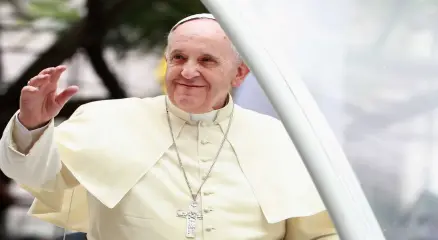
Pope Francis, the first Latin American leader of the Roman Catholic Church, died on April 21, 2025, at the age of 88. His death marked the end of a 12-year papacy that brought significant attention to poverty, social justice, interfaith dialogue and reform within the Church. Born Jorge Mario Bergoglio in Buenos Aires, Argentina, on December 17, 1936, he became pope in March 2013. Throughout his leadership, Francis encouraged Catholics to support vulnerable communities, welcome people on the margins of society and protect the environment. His simple lifestyle and direct approach helped distinguish his leadership from that of many previous popes. Francis also faced challenges during his papacy, including debates over Church traditions, internal reforms and the handling of clergy abuse cases. His efforts to modernize aspects of Church governance attracted both support and criticism. One of his final public appearances came on Easter Sunday, April 20, 2025, when he greeted worshippers at St. Peter's Square and delivered his Easter blessing despite his declining health. His funeral was held on April 26, 2025, in Vatican City, attended by religious leaders, international dignitaries and thousands of mourners. He was buried at the Basilica of St. Mary Major in Rome, reflecting his personal devotion to the Virgin Mary. Pope Francis left behind a complex and influential legacy, with his emphasis on compassion, peace and care for disadvantaged people continuing to shape conversations about the future of the Catholic Church.



The US military has announced plans to livestream the scheduled execution of Nidal Hasan, a former Army psychiatrist convicted of killing 13 people in the 2009 shooting at Fort Hood, Texas. The execution is scheduled for December 3 and would be carried out by firing squad. Defense Secretary Pete Hegseth has backed the plan, saying the public should understand the consequences of such crimes. The Pentagon confirmed the proposed broadcast, which would represent an unprecedented development in the modern history of US executions. Hasan was sentenced to death by a military jury in August 2013 after being found guilty of multiple counts of premeditated murder and attempted murder. He was partially paralyzed after police shot him during his arrest. President Donald Trump reportedly approved the firing-squad execution following a recommendation from Hegseth. However, the proposal to broadcast the event has raised questions among legal experts about privacy, human rights and the ethics of making an execution publicly accessible. The case has also renewed debate over capital punishment in the United States, where firing squads remain a rare execution method. The federal government has recently expanded the range of permitted execution methods amid ongoing challenges involving lethal-injection drugs. The planned livestream is expected to intensify discussion about the limits of public access to executions and the responsibilities of government authorities in carrying out capital punishment.