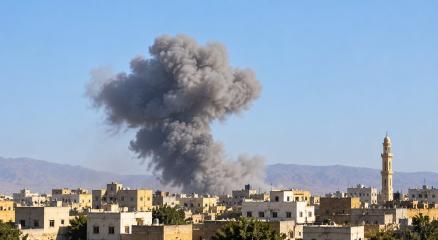
Reports from Yemen say Saudi forces carried out multiple airstrikes targeting areas controlled by the Houthi movement, including the capital, Sanaa, and surrounding districts. Media outlets affiliated with the Houthis also reported approximately 20 strikes in the coastal city of Mocha. According to the Houthi-linked broadcaster Al-Masirah, one strike hit a residential building in Sanaa, killing at least three people and injuring several others. Another reported attack targeted a cement factory in Sanaa governorate, with casualties also reported. These accounts have not been independently verified. The developments followed an announcement by the Saudi-led military coalition that its forces had intercepted two missiles allegedly launched by the Houthis toward the western Saudi cities of Taif and Yanbu. Saudi authorities had also issued public safety warnings for several regions, including Mecca and Jeddah, amid concerns about potential attacks. Saudi Arabia led a military coalition that intervened in Yemen's conflict in 2015. The prolonged war has caused widespread destruction, displaced communities and contributed to one of the world's most severe humanitarian emergencies. Although a ceasefire arrangement in 2022 reduced fighting for a period, renewed hostilities have reportedly intensified since July amid broader regional conflict. The latest reports highlight the risk of further escalation and the continuing threat to civilians across Yemen and neighbouring areas.

A powerful earthquake struck southern Türkiye and northern Syria on February 6, 2023, causing catastrophic destruction and claiming more than 55,000 lives. The disaster left entire neighbourhoods in ruins, displaced millions of people and created an enormous humanitarian emergency across the region. The first earthquake, measuring magnitude 7.8, hit in the early hours of the morning when most residents were asleep. A second major earthquake followed later that day, worsening the damage and bringing down additional buildings. Homes, hospitals, schools and essential infrastructure were severely affected, leaving many communities struggling to access basic services. Rescue workers and volunteers rushed to search through collapsed structures for survivors. Operations were complicated by freezing weather, damaged roads and repeated aftershocks. Families waited anxiously for news of missing relatives as emergency teams worked against time to reach people trapped beneath the rubble. The disaster hit Syria particularly hard because years of conflict had already damaged infrastructure and weakened essential public services. Across both countries, survivors faced shortages of temporary shelter, food, clean water and medical supplies. International assistance played an important role in rescue operations and emergency relief. However, the enormous scale of the destruction made recovery a lengthy process. Rebuilding homes, restoring public services and supporting affected families required substantial resources and continued international cooperation. The earthquake exposed serious vulnerabilities in building safety and disaster preparedness. It also demonstrated how quickly a natural disaster can overwhelm communities and emergency systems. The February 2023 tragedy remains one of the deadliest earthquakes of the 21st century, leaving a lasting impact on millions of people and serving as a powerful reminder of the importance of safer construction, effective emergency planning and rapid humanitarian assistance.

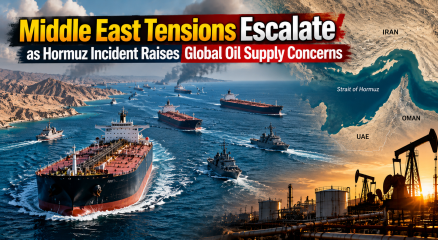
Fresh security concerns have emerged across the Persian Gulf region amid reports of explosions involving two oil tankers in the strategically important Strait of Hormuz. According to Iran’s Islamic Revolutionary Guard Corps (IRGC), the vessels caught fire after being struck by naval mines or projectiles while passing through the waterway. Iranian officials reportedly warned that the damaged tankers were at risk of sinking. However, the precise cause of the explosions, the extent of the damage and any possible casualties have not been independently confirmed. Meanwhile, reports of drones and missiles being intercepted in Riyadh and other parts of Saudi Arabia have added to concerns over the region’s security. The developments come as tensions surrounding maritime movements and military activities continue to threaten stability across the Middle East. The Strait of Hormuz is one of the world’s most important energy transit routes, carrying a significant share of global oil and liquefied natural gas supplies. Any disruption to shipping through the narrow passage could push up international oil prices, increase transportation and insurance costs, and create further uncertainty in global energy markets. Prolonged instability could also place additional economic pressure on countries heavily dependent on imported fuel. Ensuring the safety of commercial vessels, preventing further military escalation and pursuing diplomatic solutions will therefore be critical. Developments in the coming days could have significant implications for regional security, international shipping and global energy supplies.

International gold prices recorded a moderate increase on October 19, 2026, reaching approximately $4,175.30 per troy ounce, based on the supplied market figures. The precious metal gained $11.20, or 0.27%, during the session, reflecting a positive movement in the global bullion market. The reported price placed 24-karat gold at around $134.24 per gram, while 22-karat gold was valued at approximately $123.06 per gram. Actual buying prices may vary depending on purity, dealer premiums and other charges. Gold prices are influenced by global economic conditions, US dollar movements, interest-rate expectations and geopolitical uncertainty. Investors often consider gold a store of value during uncertain periods, although market fluctuations can also lead to price declines. In Bangladesh, international gold prices remain an important reference for jewellery buyers. However, domestic rates depend on exchange rates, supply conditions and official announcements from the Bangladesh Jewellers Association (BAJUS). Consumers should check the latest local rates and applicable making charges before purchasing gold. Market participants will continue to monitor economic developments and investor demand to determine the precious metal's next direction.
Cristiano Ronaldo found the net as Al-Nassr defeated Uzbekistan’s Neftchi Fergana 3-1 in an AFC Champions League fixture on Monday. The match in Riyadh began an hour later than scheduled following a security alert linked to the ongoing regional conflict. Saudi Arabia’s Civil Defence issued a warning around 15 minutes before the planned kick-off, prompting a delay while safety concerns were addressed. The incident came amid missile threats targeting the Saudi capital. Later that night, explosions were reported in Riyadh, and a Saudi-led military coalition announced that its forces had intercepted and destroyed a ballistic missile. The escalating tensions have also raised questions about upcoming international sporting events, including Formula 1 races scheduled in Qatar and Abu Dhabi. After play eventually began, Al-Nassr took the lead through Angelo in the 33rd minute. Ronaldo then extended the advantage before the interval, putting the home side in a strong position. Neftchi Fergana managed to reduce the deficit after the break but suffered a major setback when one of their players was sent off in the 65th minute. An own goal 13 minutes later secured Al-Nassr’s 3-1 victory and their first win in Group B. Ronaldo had also scored on Friday during his return to club action after leaving Portugal’s national team camp midway through the international break. Reports linked his departure to frustration over limited playing opportunities.
Bangladesh is exploring modern agricultural methods, scientific research and improved food distribution to strengthen food security and make nutritious food more accessible to its population. The issue gained attention during World Food Day 2026, observed on October 16 under the theme “Innovate Today. Nourish Tomorrow.” A national seminar in Dhaka brought together government officials, agricultural researchers, development partners and other stakeholders to discuss ways to improve the country's food system. One major challenge is ensuring that food reaches consumers efficiently after harvest. Although Bangladesh produces substantial quantities of rice, fish, vegetables and fruits, inadequate storage, transportation difficulties and food losses can reduce the benefits of agricultural production. Digital technology could also help improve agricultural market management. Better production data and supply monitoring may help farmers make informed decisions, reduce waste and respond more effectively to changing market demand. Climate change presents another challenge. Floods and other extreme weather events can damage crops, disrupt livelihoods and make food less affordable. Climate-resilient crop varieties, timely weather information and improved farming practices could help farmers prepare for these risks. However, innovation alone will not solve every problem. Small-scale farmers need access to financing, modern equipment, agricultural advice and reliable markets. Better food preservation, stronger safety standards and public awareness of nutrition are also important parts of the solution. Food affordability remains a serious concern for many households. High living costs and climate-related disruptions can limit access to nutritious meals, particularly for vulnerable communities. Agricultural experts and development partners have emphasized the importance of turning research into practical solutions that benefit farmers and consumers. Better coordination among government agencies, scientists, businesses and rural communities could help reduce food losses, improve productivity and strengthen access to nutritious diets. For Bangladesh, the long-term challenge is not simply producing more food. It is building a resilient and efficient food system that can withstand economic and climate-related pressures while keeping safe, nutritious food within reach of ordinary households.
The global luxury fashion industry is facing renewed pressure as weaker consumer demand in China affects the performance of leading fashion brands. LVMH, the parent company of Louis Vuitton and several other luxury labels, reported a 5% decline in organic sales in its fashion and leather goods division for the latest quarter. The results fell short of market expectations, raising further concerns about the industry's recovery. China has long been a major market for luxury goods. However, slower economic growth, weakness in the property sector and cautious consumer spending have affected demand for high-end clothing, handbags and accessories. The slowdown has also created uncertainty for other major luxury groups, including Hermès and Kering, as investors assess the outlook for the global market. Industry analysts believe a sustained recovery may take time, with brands likely to focus on long-term strategies rather than relying on immediate price reductions. The latest results highlight the challenges facing luxury fashion houses as they navigate changing consumer behaviour and an increasingly uncertain global economy
Excessive working hours are becoming a major global health concern, according to research by the World Health Organization (WHO) and the International Labour Organization (ILO). A joint study estimated that prolonged working hours were associated with approximately 745,000 deaths from stroke and ischemic heart disease worldwide in 2016. The research found that people working 55 hours or more per week faced a 35% higher risk of stroke and a 17% higher risk of dying from ischemic heart disease compared with those working 35–40 hours weekly. Experts warn that prolonged work schedules, inadequate sleep and persistent stress can negatively affect workers' health. The growth of remote work may also blur the boundaries between professional and personal life for some employees. International health authorities emphasize the importance of reasonable working hours, sufficient rest and healthier workplace policies to reduce these risks. The findings highlight the need for employers and governments to prioritize worker well-being alongside productivity.