











Drinking enough water is essential for maintaining good health and keeping the body functioning properly. Water helps regulate body temperature, supports digestion, improves nutrient transportation, and assists the kidneys in removing waste products. Proper hydration also helps maintain concentration and may reduce fatigue and headaches caused by dehydration. Adequate water intake can support healthy weight management, help prevent constipation, and maintain normal skin and joint function. However, drinking more water than necessary does not automatically improve health or guarantee weight loss. Daily water requirements vary depending on age, physical activity, body size, weather, and individual health conditions. For many adults, around 2–3 liters of fluids per day may be a practical guideline, although some people need more or less. In Bangladesh's hot and humid climate, people who work outdoors or sweat heavily should pay particular attention to hydration. Health professionals generally recommend drinking water regularly throughout the day and adjusting fluid intake according to individual needs. People with medical conditions that require fluid restrictions should follow their doctor's advice. Maintaining proper hydration alongside a balanced diet and regular exercise is an important step toward a healthier lifestyle.
October 15, 2026

In an increasingly visual world, photography has evolved far beyond a hobby—it has become a powerful tool of connection, identity, and even resistance. From the alleyways of Marrakech to the streets of Tokyo, people around the globe are using photography to capture their realities, share their truths, and reimagine how we see the world. In 2025, the art of photography is no longer limited to professionals or those with expensive equipment. With powerful cameras embedded in nearly every smartphone and editing apps accessible to all, the global population has become a generation of storytellers. New Language of Expression Photography has become the most universal visual language—transcending borders, politics, and even spoken words. A single image can spark movements, ignite conversations, and bring attention to marginalized voices. From the war-torn zones of Gaza and Ukraine to peaceful protests in Europe and climate marches in South America, everyday citizens are documenting history in real time. These raw, unfiltered images often make their way to global audiences faster than traditional news media. "The smartphone is the new pen," says French photojournalist Camille Laurent. "People don’t just take photos—they share their worldviews." The Rise of Visual Identity In cities like New York, Seoul, and Berlin, photography has become deeply intertwined with personal branding. On platforms like Instagram and Threads, visuals are the currency of influence. Whether it’s fashion, travel, activism, or mental health, photography is the lens through which individuals craft and project their identity. This has also sparked a global aesthetic—where minimalist cafes in Istanbul resemble those in Paris, and sunlit "golden hour" selfies are universal. Yet within this visual sameness, cultural uniqueness is also being celebrated. Photographers are reclaiming their heritage—using traditional attire, rural landscapes, and local rituals to tell stories that challenge stereotypes and global homogenization. AI, Ethics & The Future As artificial intelligence blends with photography, questions of ethics and authenticity are surfacing. AI-generated portraits and edited realities raise concerns about truth, body image, and media manipulation. Yet, at the same time, AI tools are empowering more people to create stunning visuals without formal training—democratizing creativity in ways never imagined. "We’re entering an era where the line between photography and digital art is blurring," notes Japanese visual artist Rei Nakamura. "But the emotion behind the image still matters most." A Global Bond In refugee camps in Jordan, schoolchildren are given disposable cameras to capture their lives. In Scandinavian forests, nature photographers use drones to document wildlife. On African coastlines, photographers are preserving indigenous stories that were never written down. Despite the diversity of context, one thing is clear: photography connects humanity. It offers empathy. It builds bridges. In the words of American photographer Dorothea Lange, "Photography takes an instant out of time, altering life by holding it still." And today, more than ever, the world is watching—frame by frame.
July 20, 2025


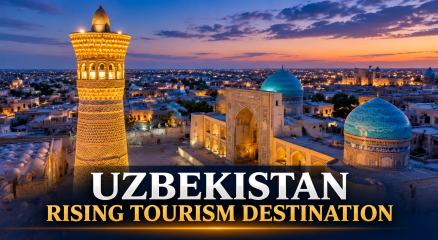
Uzbekistan is emerging as an increasingly attractive destination for international travellers, offering a combination of ancient history, distinctive architecture and cultural experiences. Located in Central Asia, the country is drawing attention from tourists seeking destinations beyond traditional European and Asian holiday hotspots. Much of Uzbekistan’s appeal comes from its historic connection to the Silk Road, the network of trade routes that once linked China, Central Asia, the Middle East and Europe. Cities such as Samarkand, Bukhara and Khiva preserve remarkable examples of Islamic architecture, ancient city walls, traditional bazaars and centuries-old monuments. Samarkand is particularly famous for Registan Square, surrounded by magnificent madrasas decorated with intricate tilework. Bukhara offers a journey through historic religious and commercial centres, while Khiva’s walled old city provides visitors with an insight into the region’s past. The country also offers experiences beyond its architectural heritage. Visitors can explore traditional Uzbek food, local handicrafts, lively markets and landscapes ranging from mountainous areas to vast desert regions. These attractions make Uzbekistan appealing to history enthusiasts, cultural travellers and adventure seekers. As international interest grows, tourism development has become an important opportunity for the country’s economy. Improvements in accommodation, transport links and visitor services could help Uzbekistan welcome more travellers and encourage longer stays. However, sustaining this growth will depend on maintaining historic sites, improving tourism facilities and ensuring that local communities benefit from increased visitor spending. With its rich history and distinctive cultural identity, Uzbekistan is positioning itself as a destination worth exploring for travellers looking for a different perspective on Central Asia.

The Bangladesh government plans to review tourism regulations for Saint Martin’s Island, including the length of the tourist season, daily visitor limits and departure points for tourist vessels. Environment, Forest and Climate Change Minister Abdul Awal Mintoo said the review would consider environmental protection, biodiversity, visitor safety and transport management. The issue was discussed at an inter-ministerial meeting at the Secretariat on Monday. The island has remained closed to tourists since February 1 as part of conservation efforts, with tourism scheduled to resume on November 1. Under existing rules, visitors may travel to the island during November but must return the same day. Overnight stays are permitted in December and January, subject to an average daily visitor limit of 2,000. Tourist visits remain suspended throughout February. The ministry said the current restrictions would be reviewed before further decisions are announced. Mintoo stressed the importance of assessing the island’s environmental capacity, waste disposal facilities, safe drinking water supply and the effects of tourism on marine ecosystems. State Minister for Environment Shaikh Faridul Islam urged tourists to purchase travel passes and QR-code tickets through portals recognised by the Bangladesh Tourism Board. He also called for compliance with environmental guidelines, including restrictions on polythene and single-use plastics. Existing protections for coral, marine turtles, birds and other wildlife will remain in place. Restrictions include nighttime beach lighting, excessive noise, beach barbecues, entering keya forests, collecting keya fruit and riding motorcycles on beaches.

Headaches, pain behind the eyes and neck discomfort can be linked to several health conditions, including viral infections, migraines, sinus inflammation, dehydration and prolonged screen use. Respiratory viruses such as influenza and adenovirus may cause additional symptoms, including fever, fatigue, sore throat and body aches. However, these symptoms alone do not confirm the presence of a new virus or an international outbreak. Environmental factors, inadequate sleep, stress and extended use of smartphones or computers may also contribute to headaches and eye strain. Poor posture can place extra pressure on the neck and shoulder muscles, leading to persistent discomfort. In regions where dengue is prevalent, fever accompanied by severe headaches and pain behind the eyes should prompt medical evaluation. Doctors may recommend appropriate tests to identify the underlying cause. Health professionals advise people with mild symptoms to rest, drink sufficient fluids and maintain healthy sleep habits. However, a sudden, severe headache, fever with a stiff neck, confusion or changes in vision may indicate a serious condition requiring urgent medical attention. Public health authorities emphasize the importance of accurate diagnosis and reliable information. Rather than assuming that these symptoms indicate a new virus, people should monitor their condition and seek professional medical advice if symptoms persist or worsen.

COVID-19, caused by the SARS-CoV-2 virus, continues to pose health risks worldwide, despite the end of its global public health emergency status. The World Health Organization (WHO) announced the end of the emergency on May 5, 2023, but warned that the virus remained a continuing health challenge. First identified in Wuhan, China, in December 2019, COVID-19 spread across the world, affecting millions of people and putting significant pressure on healthcare systems. Bangladesh reported its first confirmed COVID-19 cases on March 8, 2020. The pandemic had a substantial impact on the country's healthcare services, economy and everyday life. Bangladesh recorded more than two million confirmed cases and nearly 29,500 deaths, while vaccination campaigns and public awareness programmes helped strengthen the national response. Common symptoms of COVID-19 include fever, cough, sore throat, fatigue, headache, muscle aches, breathing difficulties and changes in taste or smell. Some infected individuals may experience mild symptoms, while others can develop severe complications. Difficulty breathing, persistent chest pain or sudden confusion are warning signs that require immediate medical attention. Health authorities continue to emphasize vaccination for eligible people, particularly older adults and individuals at higher risk of severe illness. Other preventive measures include maintaining good indoor ventilation, practising hand hygiene, wearing a well-fitting mask when appropriate and limiting close contact with others when experiencing respiratory symptoms. Rapid antigen tests and laboratory-based PCR tests can help identify COVID-19 infections. Early diagnosis is particularly important for people at increased risk because certain treatments may reduce the likelihood of severe illness when provided promptly. Although COVID-19 is no longer classified as a global public health emergency, the virus continues to circulate. Public awareness, disease monitoring, access to healthcare and responsible preventive practices remain important for protecting communities in Bangladesh and around the world.

Caffeine is a popular stimulant that helps improve alertness, concentration, and energy levels. Found in coffee, tea, energy drinks, and chocolate, it can be beneficial when consumed in moderation. However, too much caffeine or drinking it too late in the day can affect sleep and overall well-being. For most healthy adults, up to 400 mg of caffeine per day is generally considered safe. Pregnant women are advised to limit their intake to 200 mg daily or less. Timing is important: Morning or early afternoon is often a better time to consume caffeine. Since caffeine can remain in the body for several hours, avoid it at least 6–8 hours before bedtime to reduce the risk of sleep problems. Excessive caffeine may cause anxiety, headaches, a racing heartbeat, shakiness, and difficulty sleeping. To maintain healthy habits, monitor your daily intake, choose moderate servings, and avoid relying on caffeine to replace adequate sleep. The bottom line: Enjoy caffeine in moderation, pay attention to your body's response, and maintain a balanced lifestyle for better energy, focus, and sleep.

Losing weight does not have to involve extreme diets or exhausting workout routines. Making small, consistent changes to your daily habits can help you manage your weight and improve your overall well-being. 1. Choose Balanced Meals Include vegetables, fruits, whole grains, lean proteins and healthy fats in your daily diet. Foods rich in protein and fibre can help you feel satisfied for longer and make it easier to manage hunger. 2. Pay Attention to Portion Sizes Eating healthy foods is important, but portion sizes also matter. Try eating slowly, listening to your body's hunger signals and stopping when you feel comfortably full. 3. Stay Physically Active Walking, cycling, swimming, dancing or strength training can support weight management. Choose activities you enjoy and build a routine that fits your lifestyle. 4. Drink Enough Water Water supports normal bodily functions. Replacing sugary drinks with water can also reduce your overall calorie intake. 5. Get Sufficient Sleep Regular, adequate sleep supports appetite regulation, energy levels and healthy daily routines. Try to maintain a consistent sleep schedule. 6. Focus on Sustainable Progress Rapid weight-loss methods may be difficult to maintain and can sometimes be harmful. A gradual approach built around nutritious food, regular movement and realistic goals is generally more sustainable. The Bottom Line : Successful weight management is about developing habits you can maintain over time, not searching for a quick fix. Start with small changes, remain consistent and seek advice from a qualified healthcare professional when needed.

Fast food and processed food have become increasingly popular due to busy lifestyles, easy availability, and appealing flavors. Burgers, pizza, French fries, fried chicken, instant noodles, and packaged snacks are now part of many people's daily diets. However, consuming these foods regularly and in excessive amounts may negatively affect long-term health. Maintaining a balanced diet and understanding the nutritional value of food are essential for a healthier lifestyle. One of the main attractions of fast food is convenience. It saves time and effort while providing a quick source of energy because many items contain high amounts of calories, carbohydrates, and fat. However, getting energy quickly does not necessarily mean the body receives all the nutrients it needs. Many fast-food products contain excessive salt, added sugar, saturated fat, and refined carbohydrates, while providing relatively little dietary fiber, vitamins, and essential minerals. Weight gain and obesity are among the major concerns associated with frequent fast-food consumption. When people regularly consume more calories than their bodies need, excess energy can be stored as body fat. Over time, unhealthy eating habits may contribute to an increased risk of type 2 diabetes, high blood pressure, and cardiovascular disease. Excessive sodium intake can raise blood pressure, while consuming too much saturated and trans fat may adversely affect cholesterol levels and heart health. The effects of an unhealthy diet extend beyond body weight and cardiovascular health. Replacing fruits, vegetables, whole grains, legumes, and other nutritious foods with highly processed products can reduce the intake of essential nutrients and dietary fiber. This may contribute to digestive problems, including constipation. Regular consumption of sugary foods and drinks can also increase the risk of tooth decay and other health complications. Children and teenagers require particular attention when it comes to dietary habits. Frequent consumption of fast food, sugary beverages, and sweets may encourage unhealthy eating patterns that continue into adulthood. Families and educational institutions can help by promoting balanced meals and encouraging children to eat nutritious foods such as fruits, vegetables, eggs, fish, and legumes. Although completely avoiding fast food is not necessary for everyone, controlling portion sizes and how frequently these foods are consumed is important. Choosing options with less salt, added sugar, and saturated fat can help improve overall dietary quality. Drinking enough water, engaging in regular physical activity, and maintaining a balanced diet are also important steps toward better health. Checking nutrition labels before purchasing packaged foods can help consumers make more informed decisions. In conclusion, while fast food offers convenience and appealing flavors, it should not replace a balanced and nutritious diet. Developing healthier eating habits, practicing moderation, and staying physically active can help reduce the risk of several long-term health problems. Individuals with specific health concerns should consult a qualified healthcare professional or registered dietitian for personalized dietary advice.

Eggs are one of the most nutritious and affordable foods, offering high-quality protein, vitamins and essential minerals. Including eggs in a balanced diet can support muscle growth and repair, normal brain function, eye health and strong bones. Eggs also contain choline, vitamin B12 and antioxidants that contribute to various important functions in the body. For people managing their weight, eggs may help increase fullness and reduce hunger between meals because of their protein content. Boiled and poached eggs are healthy choices, as they require little or no added oil. However, the ideal amount of eggs to eat daily depends on individual health conditions, overall diet and cholesterol levels. Health experts generally recommend focusing on a varied, balanced diet rather than relying on a single food for better health. People with diabetes, heart disease or high cholesterol may benefit from personalized dietary advice. Combined with regular physical activity and healthy eating habits, moderate egg consumption can contribute to overall well-being.






France is considering restrictions on social media access for children under 15, as governments worldwide explore measures to protect young users online. The proposed French legislation has advanced through parliament, with lawmakers scheduled to vote on the measure following negotiations between the National Assembly and the Senate. The government hopes the rules could take effect in September. Several countries have already introduced restrictions. Australia has banned social media access for under-16s, while Indonesia and Malaysia have also implemented similar measures. Brazil, meanwhile, requires platforms to link accounts belonging to users under 16 with their parents and verify users’ ages. Other countries are preparing legislation or reviewing proposals. Greece plans to introduce restrictions for under-15s from January 2027, while Norway is preparing a bill targeting users under 16. The United Kingdom and Canada are also considering minimum-age requirements. Within the European Union, discussions are continuing over a broader framework for restricting children's access to social media. Austria, Slovenia, Germany, Sweden, Ireland, Spain and Italy are among the countries examining different approaches. The proposals vary in scope, with some governments seeking outright bans for younger users and others considering age verification, parental involvement or restrictions on specific platforms. The debate reflects growing international attention to children's online safety and the responsibilities of social media companies. The timing and details of individual restrictions will depend on each country's legislative process.

Dhaka – The National Board of Revenue (NBR) has introduced a groundbreaking taxation policy targeting social media influencers and digital content creators across Bangladesh, marking a significant shift in how digital income is regulated in the country.This policy requires influencers earning through sponsored posts, affiliate marketing, digital product promotions, livestreaming tips, brand collaborations, and platform ad revenues—such as from YouTube, Facebook, Instagram, and TikTok—to formally declare their income and pay taxes like other professionals. The initiative is part of the government's broader push to bring the booming digital economy under fiscal oversight and enhance national revenue collection.“Digital creators are now part of the economy — they must contribute like others,” said a senior NBR official. “We cannot leave such a rapidly growing sector untaxed while other industries bear the burden.” Why Now? Over the last few years, Bangladesh has seen a dramatic rise in the number of content creators. From tech reviewers and food bloggers to lifestyle influencers and online educators, thousands of individuals now generate substantial earnings online—some reportedly earning Tk 50,000 to over Tk 5 lakh per month. Yet, most of this income has so far gone untaxed due to the informal nature of these operations and lack of regulatory clarity. With the digital economy contributing billions to GDP, the NBR views this as a crucial moment to establish fiscal responsibility in the sector. A Rapidly Expanding Digital Landscape Platform Estimated Bangladeshi Users Common Income Sources Facebook 45+ million Page ads, brand deals, sales YouTube 30+ million viewers AdSense, sponsorships, merch Instagram 10+ million Fashion and beauty partnerships TikTok 20+ million Short-form video promotion income Mixed Reactions from Creators The announcement has sparked a wave of responses among Bangladesh’s digital creators. Some influencers welcome the move as a step toward greater legitimacy and recognition of their profession. “If I’m treated like a business, I’ll run it like one,” said Mehzabin Akter, a Dhaka-based makeup influencer with 500K followers. Others fear the complex paperwork, new compliance responsibilities, and reduced net earnings could discourage newcomers or disrupt smaller creators’ operations.“I make less than Tk 30,000 a month from affiliate links. If I need to hire an accountant, pay taxes, and file returns, it’s just not worth it,” said Rajib Hossain, a tech YouTuber from Rajshahi. Advice from Tax Professionals They recommend: Keeping digital invoices and receipts for all income Recording payments from platforms like Google AdSense and TikTok Creator Fund Maintaining contracts for sponsored posts and brand deals Consulting professionals for annual tax filing assistance Experts also point out that in many cases, only income exceeding a specific threshold (Tk 3 lakh annually) will be subject to taxation, meaning smaller creators may fall below the taxable line—but must still report their income. Looking Ahead This policy is just the beginning. The government plans to roll out education campaigns, webinars, and digital guides to help influencers understand their obligations and avoid penalties. Talks are also underway about possibly introducing flat tax schemes or digital income brackets specifically for freelance and creator-based work. Moreover, some officials believe this could eventually pave the way for government-verified digital creator licenses or IDs, opening the door to greater access to loans, business registration, and legal protections for creators. Final Thought As Bangladesh’s digital content economy matures, the line between passion and profession continues to blur. The NBR’s move signals that social media stardom now comes with not just followers and fame—but financial accountability. While the new rules may pose initial challenges, they also reflect growing respect for the industry as a legitimate and powerful economic force. The real test will be in how smoothly both influencers and the tax system can adapt to this digital shift.

In a growing digital crisis, Bangladesh is witnessing a surge in deepfake videos—AI-generated clips that manipulate faces and voices to depict politicians, celebrities, and public figures saying or doing things they never actually did. The spread of these hyper-realistic videos across platforms like Facebook, YouTube, and TikTok has sparked widespread panic, misinformation, and serious reputational harm. Many of these videos are politically charged, featuring high-profile leaders in fabricated scandals or issuing fake statements. The trend has intensified ahead of the upcoming national elections, raising alarms about potential manipulation of public opinion and election integrity. The Bangladesh Telecommunication Regulatory Commission (BTRC) has issued a strong warning to internet users, urging them not to share unverified or manipulated videos. It stressed that spreading such content—knowingly or unknowingly—could lead to legal action under the Digital Security Act, especially if it threatens national stability or individual dignity. “We are closely monitoring social platforms. Anyone found distributing harmful deepfakes may face legal consequences,” said a BTRC spokesperson. Digital misinformation is not new, but deepfakes represent a new level of threat. Unlike simple text-based rumors or poorly edited images, these AI-generated videos can deceive even savvy users, making it harder to distinguish fact from fiction. “People believe what they see,” said Dr. Anika Rahman, a media literacy expert. “When a video appears authentic, it spreads faster and causes more damage—even if it’s later proven fake.” Citizens have reported cases where deepfakes have led to street protests, calls for boycotts, and even harassment of innocent individuals, especially when the content is politically or religiously sensitive. Deepfakes are created using artificial intelligence techniques, particularly deep learning and facial recognition technology. They replace or manipulate faces and voices in videos with startling accuracy, often using just a few photos or audio samples of the target person. Technology Used Purpose Risk Level Deep Learning AI Mimic facial expressions High Voice Cloning Reproduce speech patterns High GANs (Generative Adversarial Networks) Make visuals look real Very High Facebook, YouTube, and TikTok are under growing pressure from both governments and civil society to ramp up content moderation systems. While they all claim to use AI tools to detect and block deepfakes, users and watchdogs argue the response is too slow. “We are working with global AI experts to flag and remove deepfakes faster,” said a Facebook South Asia representative. “But the volume of content makes instant moderation very challenging.” Critics say harmful videos often stay up for hours or even days, allowing millions to view, share, and believe the false content before takedowns happen. Experts believe that more than just tech solutions are needed. Public awareness, media literacy campaigns, and robust fact-checking services must accompany digital platform efforts.Some digital rights groups in Bangladesh are also calling for specific deepfake legislation, similar to what countries like the US and Singapore have introduced. This could include: Criminal penalties for malicious creators Faster platform accountability Mandatory deepfake disclosures for entertainment or satire Verify videos with trusted news outlets Use reverse image/video tools (e.g., InVID or Google Lens) Report suspicious content immediately Avoid sharing unverified clips, even “just for fun” As AI technology continues to evolve, deepfakes will likely become even harder to detect—and even more persuasive. In a digital world flooded with content, truth is now something we must consciously search for. For Bangladesh, a country with over 50 million active social media users, the deepfake challenge is not just a tech issue—it’s a threat to democracy, security, and trust. How the government, platforms, and citizens respond will shape the future of digital credibility in the nation.

Chattogram, July 20, 2025 — In the bustling alleys of Bangladesh’s cities and towns, the age-old cries of street vendors are being steadily replaced by the silent buzz of smartphones. Facebook Marketplace has quietly emerged as a game-changer for thousands of small vendors across the country, redefining how business is done in an increasingly digital world. From clothing and accessories to electronics and handmade crafts, sellers who once relied on door-to-door sales or modest market stalls are now turning to social media to reach a nationwide customer base — without the overhead of physical storefronts. Take the story of Jahidul Islam from Comilla. Once dependent on walking door to door with a heavy bag of clothes, he now operates from his home with a smartphone and a Facebook page. “I used to knock on 20 doors a day just to sell a few pieces,” he said. “Now, I post pictures online and get orders from all over the country — sometimes even from outside Bangladesh.” His story reflects a wider trend sweeping through both rural and urban Bangladesh: the rise of the digital entrepreneur. This digital shift, accelerated by increased smartphone penetration and affordable internet, is not only transforming commerce — it's changing lives. For many small vendors, particularly women, students, and low-income individuals, Facebook Marketplace provides a flexible, low-cost entry into business. Housewives are turning into online boutique owners. University students are selling gadgets or fashion items between classes. In places where job opportunities are limited, online selling offers a sense of economic independence and self-worth. The Impact at a Glance: Aspect Before Marketplace After Marketplace Startup cost High (shop rent, permits) Low (smartphone & internet) Customer reach Local only Nationwide (even diaspora) Business hours Limited to market hours 24/7 availability Job creation Minimal Growing micro-entrepreneurship Female participation Low Significantly increasing However, this success is not without its complications. With the rise in popularity of Facebook-based businesses, there has also been an increase in fraudulent activities. From misleading product photos and fake brands to outright scams where customers pay but never receive their orders, the lack of formal regulation and oversight is becoming a serious concern. Consumer rights groups report a growing number of complaints related to online transactions, with many victims having little to no legal recourse.“Fraudulent pages are popping up every day,” warns Tania Kabir, a digital rights activist in Dhaka. “People are losing money, and there's no centralized system to hold these vendors accountable. We need government and platform-level regulation that doesn’t hurt honest sellers but protects consumers.” The Bangladesh Telecommunication Regulatory Commission (BTRC) has also acknowledged the need for stronger oversight. Efforts are underway to create a verified seller badge for trustworthy Facebook businesses, as well as a dedicated complaint mechanism linked to the Ministry of Commerce’s consumer rights protection wing. But implementation remains slow, and many sellers remain wary of any policies that may increase their operational costs or introduce red tape. Despite the challenges, Facebook Marketplace continues to flourish. Its success also hints at a larger opportunity — the possibility of creating a more structured, digitally-driven small business ecosystem in Bangladesh. If paired with training in digital literacy, basic e-commerce, and customer service, this grassroots online economy could significantly reduce unemployment and increase income in low- and middle-income communities. Experts suggest that future success lies in partnerships between government, tech platforms, and local NGOs to create support systems for these digital entrepreneurs. Programs offering microloans, digital marketing training, and platform accountability could ensure that Facebook Marketplace continues to be not just a trend, but a long-term driver of economic change. For now, in towns like Chattogram, Rajshahi, Sylhet, and Comilla, Facebook Marketplace is more than a tool — it’s a livelihood. A digital lifeline that empowers the ambitious, supports families, and brings business to doorsteps — not with a knock, but with a notification. Bottom Line: As Bangladesh navigates its way through economic transitions, Facebook Marketplace has emerged as a powerful enabler of digital entrepreneurship. With proper support, regulation, and consumer protection, this informal sector could become a formal force in shaping the future of the country’s economy.

In an era where attention spans are short and social change demands urgency, TikTok has emerged as a powerful new platform for youth-driven activism. What started as a space for dance trends and lip-sync videos has quickly evolved into a vibrant ecosystem where young people are using 15–60 second clips to challenge injustice, raise awareness, and mobilize support for social causes.From climate change protests to gender rights, mental health awareness to political commentary, TikTok’s short-form video format has proven uniquely suited to sparking dialogue and capturing the emotions behind movements. Activists across Bangladesh, India, the Philippines, and beyond are using the platform not just for expression — but for education and mobilization. One powerful example includes the #StudentVoices movement in Bangladesh, where students shared videos demanding reforms in the education system, including calls for more inclusive policies and better mental health support in schools. These clips went viral, sparking mainstream media attention and responses from education officials. Similarly, during the Rohingya refugee crisis or after environmental disasters, TikTokers in South Asia created donation drives, fact-based explainers, and firsthand videos from affected zones — showing the platform’s potential for real-time grassroots journalism. In Manila, a TikTok series debunking election misinformation was viewed over 4 million times, mostly by first-time voters.However, this new wave of digital activism is not without challenges. Critics argue that “slacktivism” — where users feel satisfied simply by liking or sharing posts — may replace real-world engagement. There’s also concern about misinformation, content censorship, and the potential misuse of algorithms that may suppress marginalized voices. Despite these concerns, educators and social researchers recognize TikTok’s potential as an entry point for civic education and social awareness. Many NGOs and advocacy groups now collaborate with TikTok creators to reach younger demographics with accurate, inspiring, and mobilizing content.With over 1 billion users globally, and over 60% under the age of 30, TikTok is not just shaping how youth consume content — it’s shaping how they participate in the world. As digital native generations come of age, their activism is taking new forms — and TikTok, for all its controversies, is proving to be one of their loudest megaphones.

Dhaka – In today’s Bangladesh, politics is no longer confined to public rallies or television talk shows — it’s playing out every day on Facebook, X (formerly Twitter), and TikTok. As the country heads toward its next general election, social media has become a powerful tool for political communication, grassroots organizing, and public debate.Political parties, independent candidates, and youth activists are all turning to social platforms to reach the public directly. Videos, livestreams, memes, and campaign reels now shape political narratives faster than traditional media ever could. “Social media lets us speak directly to the people, without gatekeepers,” said Arman Chowdhury, a digital campaign manager for a leading political party. “In 2025, a viral post can shift public opinion overnight.”According to the Bangladesh Election Monitoring Forum, over 60% of first-time voters rely on social media as their primary source of political information. Parties are investing heavily in digital teams, influencer partnerships, and content creators to boost engagement and shape perception. But the rise of digital politics has a darker side. Misinformation, hate speech, and coordinated disinformation campaigns are spreading rapidly, often polarizing communities and confusing voters. During the recent city elections, fake polls and deepfake videos circulated widely, prompting the Bangladesh Telecommunication Regulatory Commission (BTRC) to issue warnings and take down dozens of misleading posts. “Social media is both a blessing and a threat to democracy,” said Dr. Nilufa Yasmin, a political science professor at Dhaka University. “It amplifies voices but also enables manipulation. Regulation and media literacy are urgently needed.” Civic groups and digital watchdogs are calling for stronger transparency from platforms like Facebook and TikTok regarding political ads, fake accounts, and bot-driven propaganda. Meanwhile, social media has empowered a new generation of digital activists — from environmentalists and women's rights advocates to student leaders. Hashtags like #SaveTheSundarbans, #JusticeForNusrat, and #DigitalBangladesh have sparked national conversations and even led to real-world policy changes. “I use my Instagram to talk about climate justice and education reform,” said Tania Haque, a 22-year-old activist from Narayanganj. “Even if we’re not on TV, we have a voice — and it’s loud.” However, concerns about digital surveillance and freedom of expression persist. Several users have reported account suspensions or harassment after posting critical content about powerful figures or institutions. As social media continues to shape politics in real time, experts urge voters to verify sources, think critically, and avoid echo chambers. “Don’t believe everything you see on your feed,” warned BTRC spokesperson Shahinul Islam. “Use technology, but stay aware.” With elections looming, the digital battlefield is heating up — and in 2025, a single post, video, or hashtag could change the course of the nation.

Argentina defeated Colombia 1–0 after extra time in the 2024 Copa América final at Hard Rock Stadium in Miami Gardens, Florida, on July 14, 2024. Lautaro Martínez scored the winning goal in the 112th minute, helping Argentina secure a record-extending 16th Copa América championship and further strengthen its position in South American football. The final was a closely contested encounter, with Colombia enjoying greater possession and creating several attacking opportunities. Argentina, however, remained defensively disciplined as both teams failed to score during the first 90 minutes. The deadlock was finally broken in extra time when Martínez found the net, securing the trophy for his country. Argentina also faced a significant setback when captain Lionel Messi was forced off in the 66th minute because of an ankle injury. Despite losing their influential leader, the team maintained its composure and continued pushing for a decisive goal. Martínez finished the tournament with five goals to claim the Golden Boot. Colombia captain James Rodríguez was named the tournament’s best player, while Argentina goalkeeper Emiliano Martínez earned the Best Goalkeeper award. The final also experienced a lengthy kickoff delay following crowd-control and security problems at the stadium entrances. Despite the disruption, the match eventually produced a memorable conclusion for Argentina. The victory continued Argentina’s impressive run of international success after winning the 2021 Copa América and the 2022 FIFA World Cup. Colombia finished as runners-up following a strong tournament campaign, but Argentina ultimately emerged victorious to claim another historic continental title.

The Paris 2024 Olympic Games brought together the world's leading athletes for an extraordinary celebration of sporting excellence, national pride and international competition. Held from July 26 to August 11, the event delivered dramatic finishes, record-breaking performances and inspiring stories that attracted global attention. Athletes competed across dozens of sports, with several performances becoming defining moments of the Games. French swimmer Léon Marchand emerged as a home-country hero after winning four individual gold medals. Swedish pole vaulter Armand Duplantis thrilled spectators by setting a new world record, while competitors in athletics, gymnastics, swimming and other disciplines produced memorable displays of skill and determination. One of the most significant achievements came from Pakistan's Arshad Nadeem, who won the men's javelin throw with an Olympic record of 92.97 metres. His victory secured Pakistan's first individual Olympic gold medal and became a landmark moment for the country's sporting history. Julien Alfred also made history by winning Saint Lucia's first-ever Olympic medal, taking gold in the women's 100 metres. Paris offered a distinctive setting for the Games, with the opening ceremony staged along the River Seine and several competitions held near famous landmarks. The combination of sport, culture and the French capital's historic scenery helped give the event a unique atmosphere. The United States finished first in the overall medal table with 126 medals, including 40 golds. China also secured 40 gold medals, while host nation France finished fifth overall with 64 medals. Beyond the medal count, the Olympics showcased perseverance, teamwork and the ability of athletes to overcome difficult challenges. Unexpected victories and emotional celebrations became popular talking points among fans and on social media. As the closing ceremony brought the Games to an end on August 11, attention turned toward Los Angeles, the host city for the 2028 Summer Olympics. Paris 2024 left behind a collection of sporting achievements and powerful human stories that will remain part of Olympic history.

The 2022 FIFA World Cup final between Argentina and France delivered one of the most dramatic nights in football history. On December 18, 2022, millions of fans watched as two football giants battled for the world's most prestigious international trophy at Lusail Stadium in Qatar. Argentina started strongly, with Lionel Messi opening the scoring from the penalty spot before Ángel Di María doubled the lead. France appeared to be struggling, but Kylian Mbappé changed the game in spectacular fashion, scoring twice in less than two minutes to make it 2–2. The tension continued into extra time. Messi scored again to put Argentina ahead, but Mbappé completed his hat-trick with another penalty, bringing France level at 3–3. Neither team could find a winner, sending the final to a penalty shootout. Argentina eventually prevailed 4–2 on penalties, securing their third World Cup title. For Messi, the victory completed a remarkable international journey and fulfilled his lifelong ambition of lifting the World Cup trophy. Although France lost, Mbappé's three goals established his place in World Cup history. The final remains memorable for its incredible twists, outstanding performances, and emotional celebrations—a match that demonstrated why football captivates audiences across the globe.

Zimbabwe secured a convincing 99-run victory over Bangladesh in the opening match of the UAE ODI Tri-Series at Zayed Cricket Stadium in Abu Dhabi on October 17, 2026. After winning the toss and choosing to bat, Zimbabwe posted 271 for eight in their allotted 50 overs. Craig Ervine led the batting effort with an impressive 93 runs, while Brendan Taylor contributed 81 to help the team establish a competitive total and put Bangladesh under pressure. Chasing a target of 272, Bangladesh struggled to maintain momentum and were bowled out for 172 in just 33.4 overs. Tanzid Hasan was the top scorer for Bangladesh with 46 runs, but the team failed to build the partnerships needed to stay in contention. Taskin Ahmed made a contribution with both bat and ball, scoring 16 runs and taking three wickets for 44 runs. However, his efforts could not prevent Bangladesh from suffering a heavy defeat. Craig Ervine was named Player of the Match for his outstanding batting performance. The result gives Zimbabwe a strong start to the tri-series, while Bangladesh will need to improve their batting performance and build stronger partnerships in their upcoming matches.

Lionel Messi scored twice in a four-minute spell to inspire Inter Miami to a 3-1 victory over Atlanta United on Saturday, extending the team’s winning streak to three matches as the MLS playoffs approach. German Berterame opened the scoring just before halftime, finishing a move involving Messi and Luis Suarez. Messi then doubled Miami’s advantage in the 56th minute with a left-footed strike before scoring again four minutes later after receiving a pass from Suarez. Atlanta reduced the deficit through Fafa Picault’s penalty in the 89th minute, but Miami held on to secure another important victory. The result strengthened the team’s momentum after it had already secured a playoff berth. Messi, 39, now has 25 goals in the MLS season, placing him at the top of the league’s scoring chart. His latest performance further underlined his importance to Miami’s title defense as the postseason draws closer.

Spain defeated Argentina 1–0 after extra time in the 2026 FIFA World Cup final at MetLife Stadium in New Jersey, according to the supplied report. Ferran Torres reportedly scored the winning goal in the 106th minute, following an assist from Nico Williams, to secure Spain’s second men’s World Cup title after their memorable victory in 2010. The final brought together two football powerhouses, with Argentina aiming to defend the championship they won in Qatar in 2022. Both teams fought hard during regular time, but neither managed to break the deadlock. Spain continued to push forward in extra time, eventually finding the breakthrough through Torres and putting Argentina under pressure for the remainder of the match. Spain’s reported victory reflected their strong teamwork, disciplined defending and effective attacking play throughout the tournament. Argentina, led by Lionel Messi, were unable to find an equaliser despite their efforts to recover from the late setback. The result marked a disappointing end to Argentina’s title defence and another major achievement in Spain’s football history. The tournament’s individual awards also recognised several outstanding performances. Spain midfielder Rodri reportedly won the Golden Ball as the best player, while France forward Kylian Mbappé claimed the Golden Boot with 10 goals. Spanish goalkeeper Unai Simón received the Golden Glove, and young defender Pau Cubarsí was named the best young player of the competition. The 2026 FIFA World Cup was the first edition to feature 48 teams, with Canada, Mexico and the United States serving as co-hosts. The expanded competition brought together national teams from around the world, culminating in a final between two of football’s most successful nations.

Samsung’s Galaxy S26 Ultra brings together advanced photography, powerful processing and enhanced screen privacy in a premium smartphone. The device features a 6.9-inch Dynamic AMOLED 2X display with a 120Hz adaptive refresh rate and is powered by Qualcomm’s Snapdragon 8 Elite Gen 5 for Galaxy processor. One of its standout features is the 200-megapixel main camera, supported by a 50MP ultra-wide lens and dedicated telephoto cameras offering 3x and 5x optical zoom. The phone also supports video recording at up to 8K resolution, making it suitable for photography enthusiasts and content creators. The built-in Privacy Display is designed to limit the visibility of on-screen information from side angles, offering additional privacy in public places. Other features include a 5,000mAh battery, 60W wired charging, up to 1TB of storage, an integrated S Pen and IP68-rated dust and water resistance. The handset runs Android 16 and comes with Samsung’s long-term software support commitment. Samsung unveiled the Galaxy S26 series on February 25, 2026, with US availability beginning March 11. The Galaxy S26 Ultra launched at $1,299.99 in the United States for the 256GB model. Prices in Bangladesh may vary depending on import costs, taxes and retailer policies. With its combination of camera technology, high-end performance and integrated privacy features, the Galaxy S26 Ultra aims to meet the needs of users looking for a powerful flagship Android smartphone.

Elon Musk officially took control of Twitter after completing a $44 billion acquisition, ending months of negotiations and legal disputes over the future of the social media company. The deal placed the billionaire entrepreneur, who also leads Tesla and SpaceX, at the centre of one of the most significant corporate takeovers in the technology industry. Musk had publicly discussed changing Twitter's policies, improving its handling of spam accounts and promoting what he described as greater freedom of expression on the platform. Following the acquisition, Musk moved quickly to restructure the company's leadership. Several senior executives, including Chief Executive Officer Parag Agrawal, were dismissed as the new owner began implementing his plans for the business. The takeover followed a turbulent negotiation process. Musk initially agreed to purchase Twitter in April 2022 but later attempted to withdraw from the agreement, raising concerns about the number of fake and automated accounts on the platform. Twitter challenged his decision in court, and the dispute eventually pushed the transaction toward a legal showdown before Musk completed the original deal. The acquisition also changed Twitter's corporate status, taking the company off the public stock market. In the months that followed, Musk introduced substantial operational changes, including workforce reductions, new subscription initiatives and revisions to the platform's verification system. The company's transformation continued in July 2023, when Twitter was rebranded as X. The change reflected Musk's ambition to expand the service beyond short-form public messaging into a broader digital platform. The takeover remains a defining moment in social media history, highlighting the influence of major technology entrepreneurs over online communication, digital business and the evolving debate surrounding content moderation and free speech.

HONOR's Robot Phone introduces an innovative approach to smartphone photography by combining flagship hardware with a built-in motorized gimbal camera. Designed for photography enthusiasts and content creators, the device aims to deliver smoother video recording, flexible camera movement and advanced AI-powered tracking. The smartphone reportedly features a 200MP main camera with optical image stabilization, a 200MP periscope telephoto camera and a 50MP ultrawide lens. Its cinema-focused recording features, including ARRI LogC3 support, are designed to provide greater flexibility for video editing and color grading. A 50MP front camera is also included for selfies, video calls and content creation. The device features a 6.31-inch LTPO OLED display with a 120Hz refresh rate and is powered by Qualcomm's Snapdragon 8 Elite Gen 5 processor. It offers up to 16GB of RAM and 1TB of storage, running MagicOS 10 based on Android 16. A 7,060mAh battery with 120W wired and 50W wireless charging support is designed to support demanding everyday use. According to the supplied market information, HONOR announced the Robot Phone in China in August 2026. Its reported starting price is RMB 9,999, while an unofficial Bangladesh listing places the price at approximately Tk 250,000. Buyers should confirm local availability, warranty coverage and current pricing before purchasing. With its robotic camera mechanism, high-resolution sensors and AI-assisted features, the HONOR Robot Phone offers a distinctive alternative to conventional flagship smartphones. Its appeal will largely depend on real-world camera performance, mechanical durability and whether its specialized features justify the premium price.

OpenAI launched ChatGPT on November 30, 2022, introducing a new artificial intelligence tool that quickly attracted global attention. Initially made available as a free research preview, the chatbot allowed users to interact with AI through a simple text-based interface. ChatGPT gained popularity for its ability to answer questions, draft articles, explain complicated subjects, assist with computer programming and generate creative content. Its conversational approach enabled users to ask follow-up questions and refine their requests, making AI technology more accessible to the general public. Despite its early success, the initial version had limitations, including inaccurate information and answers that could appear convincing despite being incorrect. OpenAI encouraged users to provide feedback as the company continued improving the system. The launch became an important milestone in the wider adoption of generative AI. ChatGPT's rapid growth helped bring artificial intelligence into mainstream discussions about education, journalism, business and employment, setting the stage for further advances in AI-powered tools.
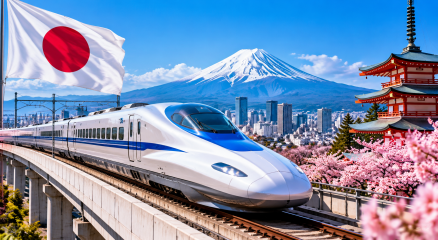
Japan is stepping up efforts to strengthen its economy through investment in artificial intelligence, semiconductor technology and advanced industries, as the country seeks to improve productivity and maintain its position in the global technology market. The Japanese government has identified AI and semiconductors as important priorities in its economic growth strategy. Prime Minister Sanae Takaichi announced plans to develop an action plan to expand the use of artificial intelligence, with the aim of encouraging innovation across businesses and public services. The government is also seeking to address labour shortages that could slow industrial expansion. Demand for semiconductor manufacturing equipment and electronic components has provided support for parts of Japan’s industrial sector. The Bank of Japan reported improving economic assessments in several regions in October 2026, partly reflecting strong demand linked to AI and related technologies. Japan is also strengthening international cooperation in advanced manufacturing. On October 15, the Japanese government announced an agreement with the United States to advance a semiconductor manufacturing project in New York, with construction scheduled to begin by the end of 2026. Despite these opportunities, Japan faces challenges including rising business costs, labour shortages and pressure on household spending. The country's ability to turn technological investment into sustained economic growth will depend on productivity improvements, business confidence and effective implementation of its development plans. Japan's renewed focus on innovation highlights how advanced technology and international partnerships are becoming central to its strategy for long-term economic competitiveness.

Apple's iPhone 18 Pro Max is attracting attention in the premium smartphone market with its reported combination of powerful hardware, advanced photography features and improved battery performance. With a reported starting price of $1,299 in the United States, the flagship device is designed for users seeking high performance and an enhanced mobile experience. The smartphone is reported to feature a 6.9-inch Super Retina XDR OLED display with a 120Hz refresh rate, an A20 Pro processor and 12GB of RAM. Its triple 48-megapixel rear camera system, including a variable-aperture main camera and a telephoto lens, is designed to offer greater flexibility for photography and video recording. Other reported features include storage options of up to 2TB, wireless charging support, improved thermal management and iOS 27 with Apple Intelligence capabilities. These upgrades could make the device appealing to content creators, mobile gamers and professionals who rely on their smartphones for demanding tasks. With its large display, advanced camera technology and premium design, the iPhone 18 Pro Max is positioned to compete in the high-end smartphone segment. However, buyers should verify the final specifications, software features and regional pricing through Apple's official channels before making a purchase.

A powerful earthquake struck southern Türkiye and northern Syria on February 6, 2023, causing catastrophic destruction and claiming more than 55,000 lives. The disaster left entire neighbourhoods in ruins, displaced millions of people and created an enormous humanitarian emergency across the region. The first earthquake, measuring magnitude 7.8, hit in the early hours of the morning when most residents were asleep. A second major earthquake followed later that day, worsening the damage and bringing down additional buildings. Homes, hospitals, schools and essential infrastructure were severely affected, leaving many communities struggling to access basic services. Rescue workers and volunteers rushed to search through collapsed structures for survivors. Operations were complicated by freezing weather, damaged roads and repeated aftershocks. Families waited anxiously for news of missing relatives as emergency teams worked against time to reach people trapped beneath the rubble. The disaster hit Syria particularly hard because years of conflict had already damaged infrastructure and weakened essential public services. Across both countries, survivors faced shortages of temporary shelter, food, clean water and medical supplies. International assistance played an important role in rescue operations and emergency relief. However, the enormous scale of the destruction made recovery a lengthy process. Rebuilding homes, restoring public services and supporting affected families required substantial resources and continued international cooperation. The earthquake exposed serious vulnerabilities in building safety and disaster preparedness. It also demonstrated how quickly a natural disaster can overwhelm communities and emergency systems. The February 2023 tragedy remains one of the deadliest earthquakes of the 21st century, leaving a lasting impact on millions of people and serving as a powerful reminder of the importance of safer construction, effective emergency planning and rapid humanitarian assistance.

Sajek Valley, located in Sajek Union of Baghaichhari Upazila in Rangamati District, is one of Bangladesh’s most attractive nature tourism destinations. Nestled in the Kasalong mountain range at approximately 1,800 feet (550 metres) above sea level, the valley is renowned for its lush green hills, dense forests, winding mountain roads and spectacular cloud formations. Often known as the “Queen of Hills” and the “Land of Clouds,” Sajek offers visitors breathtaking scenery and a peaceful escape from the crowded urban environment. One of the valley’s most remarkable features is the sea of clouds that frequently appears beneath the mountain peaks, particularly during early mornings and favourable weather conditions. The changing colours of the sky, mist-covered ridges and panoramic landscapes make Sajek a favourite destination for photographers, nature lovers and adventure seekers. Popular attractions include Konglak Hill, Sajek Helipad, Ruilui Para and Konglak Para, where visitors can enjoy mountain views, sunrise photography and opportunities to explore the surrounding villages. Sajek is also culturally significant because the wider region is home to indigenous communities, including Chakma, Marma, Tripura, Pankho and Lushai people. Their traditional lifestyles, handicrafts, architecture and local cuisine add to the valley’s distinctive character. Visitors can learn about local traditions while supporting community businesses and respecting residents’ privacy and cultural practices. Travellers generally reach Sajek through Khagrachhari and Dighinala before continuing along the hilly roads in local four-wheel-drive vehicles, commonly known as Chander Gari. The journey offers scenic views of forested slopes and mountain landscapes. Resorts, cottages, guesthouses and homestays provide accommodation options for different budgets, although prices can rise during weekends, holidays and peak tourist seasons. Travellers should confirm transport arrangements, accommodation costs and any security-related travel requirements before departure. The monsoon and the months that follow are popular among visitors hoping to witness dramatic clouds and mist. However, heavy rainfall may create slippery roads, poor visibility and travel disruptions. The cooler months can provide more comfortable conditions for sightseeing, though cloud formations depend on the weather. Checking forecasts and following local authorities’ instructions can help ensure a safer journey. Sajek Valley has become an important part of Bangladesh’s domestic tourism industry, attracting visitors with its natural beauty, cultural diversity and mountain atmosphere. As tourism continues to grow, protecting the environment, reducing plastic waste and respecting indigenous communities remain essential to preserving the area’s unique appeal. With proper planning and responsible travel, Sajek offers an unforgettable opportunity to experience one of Bangladesh’s most distinctive highland landscapes.
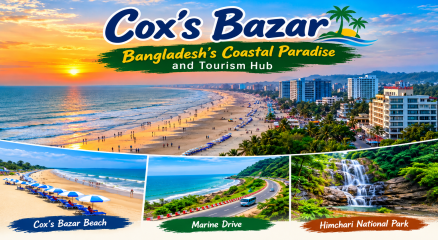
Cox’s Bazar, situated in southeastern Bangladesh along the Bay of Bengal, is one of the country’s most popular tourist destinations. The city is renowned for its extensive natural sandy beach, scenic coastal landscapes and diverse cultural heritage. It also serves as the administrative headquarters of Cox’s Bazar District. The city takes its name from Captain Hiram Cox, a British East India Company officer who worked on the rehabilitation of Arakanese refugees in the late eighteenth century. Over time, the coastal settlement developed into an important commercial and tourism centre. Beyond its famous beach, visitors can explore Himchari National Park, Buddhist temples in Ramu, Aggmeda Khyang monastery and Dulahazara Safari Park. Marine Drive offers picturesque views of the sea and surrounding hills, making it another popular attraction. Tourism, fishing, seafood trading and salt production support the local economy. Improved transport connections, including railway services introduced in 2023 and domestic air links, have made the destination more accessible to travellers. Despite its tourism potential, Cox’s Bazar faces challenges involving coastal erosion, environmental pollution, extreme weather and urban development. The district also hosts a large Rohingya refugee population, making it an important humanitarian region. With its natural beauty, historical significance and economic importance, Cox’s Bazar remains a valuable destination for Bangladesh. Sustainable tourism and environmental conservation will be essential to preserving its coastal attractions for future generations.

The Taj Mahal, located on the banks of the Yamuna River in Agra, Uttar Pradesh, India, is one of the world's most celebrated historical monuments. Built by Mughal Emperor Shah Jahan in memory of his beloved wife, Mumtaz Mahal, this magnificent mausoleum represents love, remembrance and artistic excellence. Construction began in 1632, and the wider architectural complex was completed around 1653. Centuries later, the monument continues to captivate visitors with its remarkable beauty and historical significance. Constructed primarily from white marble, the Taj Mahal combines influences from Persian, Indian and Islamic architectural traditions. Its magnificent central dome, four minarets, elegant arches and intricate stonework demonstrate the extraordinary craftsmanship of the Mughal period. Carefully designed gardens, water channels and surrounding structures contribute to the monument's harmonious appearance. The marble surface also reflects changing shades of light throughout the day, creating a distinctive visual experience for visitors. The Taj Mahal is more than a royal tomb; it is an important example of the Mughal Empire's architectural ambition and artistic achievements. Numerous skilled artisans, craftsmen and architects contributed to its construction. The complex includes the main mausoleum, a mosque, a guesthouse, a monumental entrance and landscaped gardens, forming an integrated architectural masterpiece. In 1983, UNESCO designated the Taj Mahal a World Heritage Site in recognition of its outstanding cultural and architectural value. It later gained further international recognition as one of the New Seven Wonders of the World. Today, it remains one of India's leading tourist attractions, drawing visitors, historians, photographers and architecture enthusiasts from across the globe. Its popularity also supports tourism, local businesses and traditional handicrafts in Agra. Despite its enduring beauty, the Taj Mahal faces conservation challenges associated with air pollution, environmental changes and the pressure of tourism. Protecting its marble surfaces, intricate decorations and original architectural features requires continued maintenance, environmental safeguards and responsible visitor management. Nearly four centuries after its construction began, the Taj Mahal remains a powerful symbol of India's cultural heritage and the artistic achievements of the Mughal era. Its extraordinary design and emotional history have secured its place among the world's most treasured monuments, inspiring generations to appreciate the lasting connection between human creativity, history and remembrance.

Dalal Bazar Zamindar House is one of the notable historical landmarks of Lakshmipur, Bangladesh, preserving memories of Bengal’s zamindari era. Located in the Dalal Bazar area of Lakshmipur Sadar Upazila, this historic property continues to attract attention for its remaining palace structures, decorative entrance, old pond steps, and traces of religious architecture. Although time and neglect have damaged parts of the complex, it remains an important symbol of the region’s historical and cultural heritage. According to local accounts, the estate was established around 400 years ago by a zamindar named Lakshmi Narayan Vaishnab. Popular narratives suggest that he came from Kolkata and established his zamindari in the area. However, the exact founding date and details of the family’s history require further verification through reliable historical documents and research. The surviving structures offer glimpses into the architectural styles, social customs, and lifestyle associated with the zamindari period. One of the major attractions near the historic house is the Khoya Sagar Dighi, a large pond known for its expansive water surface and surrounding natural environment. Local accounts estimate its area at approximately 22 acres, although this figure requires independent verification. Together, the old zamindar house and the pond create an appealing destination for history enthusiasts, photographers, and travelers interested in exploring Bangladesh’s heritage. Visitors can travel from Dhaka to Lakshmipur by road and then use local transport to reach Dalal Bazar. As some parts of the historic property are reportedly used for administrative purposes, visitors should follow the relevant authorities’ instructions during their visit. Despite its historical significance, preserving Dalal Bazar Zamindar House remains an important concern. Expert-led architectural surveys, careful restoration, historical documentation, and informative display boards could help protect the site for future generations. Conservation efforts should also include protecting the surrounding environment of Khoya Sagar Dighi and improving visitor facilities without damaging the historic structures. With proper planning, the site could contribute to heritage tourism, support local businesses, and create employment opportunities for the surrounding community. Dalal Bazar Zamindar House is more than an old building; it represents an important part of Lakshmipur’s historical identity. Through government initiatives, community participation, and greater public awareness, this historic landmark can be preserved as a valuable legacy for future generations.

The Great Wall of China is one of the world’s most remarkable historical structures, reflecting the architectural achievements and military strategies of ancient Chinese civilization. Stretching across mountains, valleys, deserts and vast landscapes, the wall represents centuries of construction, expansion and restoration. According to official surveys, the total length of the Great Wall system, including its various sections and associated defensive structures, is approximately 21,196 kilometres. The history of the Great Wall dates back to ancient Chinese states, which built separate defensive walls to protect their territories. During the third century BC, Emperor Qin Shi Huang initiated efforts to connect several existing fortifications. Successive dynasties continued to expand and rebuild the structure, with many of its best-preserved and most famous sections constructed during the Ming Dynasty. The primary purpose of the Great Wall was to strengthen China’s northern frontier against potential invasions. It also helped authorities monitor border movements, control important routes and communicate warnings across long distances. Built using locally available materials such as stone, brick and compacted earth, the defensive system included watchtowers, military garrisons, fortresses and signal stations. Constructing and maintaining such an extensive structure required enormous amounts of labour, resources and engineering expertise. Builders adapted their techniques to the surrounding terrain, creating fortifications that followed mountain ridges and crossed challenging landscapes. The Great Wall therefore represents not only military planning but also the organisational capabilities of successive Chinese governments. In 1987, UNESCO added the Great Wall of China to its World Heritage List in recognition of its outstanding historical and cultural significance. Today, it is one of China’s most popular tourist attractions, drawing visitors from around the world. Despite its enormous length, the wall is not easily visible to the unaided eye from space, contrary to a widely circulated misconception. Beyond its original defensive role, the Great Wall has become a lasting symbol of China’s cultural identity and architectural heritage. Its remarkable history demonstrates how generations of builders transformed a series of fortifications into one of humanity’s most extraordinary historical landmarks.

South Korean television series Squid Game took the international entertainment industry by storm, becoming one of Netflix's biggest global hits and introducing millions of viewers to Korean-language drama. Released on September 17, 2021, the survival thriller follows a group of financially struggling contestants who enter a mysterious competition offering a massive cash prize. The participants must compete in games inspired by childhood activities, but losing carries deadly consequences. Created and directed by Hwang Dong-hyuk, the series attracted audiences with its suspenseful storyline, striking visual style and exploration of debt, inequality and desperation. Its colourful uniforms, masked guards and unsettling versions of familiar children's games quickly became recognisable symbols across social media. The show's popularity grew rapidly through online discussions, reaction videos, memes and Halloween costumes. Netflix reported in October 2021 that the series had reached 111 million accounts, before revising its first-month figure to 142 million households. It also topped Netflix's most-watched charts in numerous countries, establishing itself as a major international streaming success. The success of Squid Game demonstrated that language was not necessarily a barrier to global entertainment audiences. Its popularity helped strengthen international interest in South Korean television, film and wider popular culture. The series also received major industry recognition. At the 2022 Primetime Emmy Awards, Lee Jung-jae won Outstanding Lead Actor in a Drama Series, while Hwang Dong-hyuk won Outstanding Directing for a Drama Series. These victories marked historic achievements for a non-English-language production. Beyond its entertainment value, Squid Game sparked conversations about economic inequality, competition and the pressures faced by people struggling financially. Its worldwide success also encouraged streaming companies to invest further in international productions. What began as a Korean survival thriller ultimately became a defining television phenomenon of 2021, demonstrating the global reach of streaming platforms and the growing influence of Korean storytelling.

One Battle After Another emerged as the biggest winner at the 2026 Academy Awards, taking home the Best Picture trophy and earning widespread recognition for its filmmaking. Directed by Paul Thomas Anderson and starring Leonardo DiCaprio, the film impressed audiences with its mix of action, dark comedy, and political drama. The movie explores themes of family, power, resistance, and personal sacrifice through an intense and unconventional story. Its performances, direction, and distinctive storytelling helped it stand out among the year's major cinematic releases. The film's success marked a major achievement for Anderson, whose work has earned critical acclaim throughout his career. Its awards-season performance also highlighted the growing recognition of films that combine artistic ambition with compelling stories. The victory made One Battle After Another a major talking point among film fans and industry observers, while further raising interest in its cast, production, and themes. The film's Oscar success is another reminder of how powerful storytelling and memorable performances can leave a lasting impression on audiences worldwide.

YouTube superstar MrBeast has reached an extraordinary milestone, becoming the first individual creator to surpass 500 million subscribers on YouTube. The achievement, reached on June 12, 2026, marks a significant moment in the history of online entertainment and highlights the growing influence of digital creators worldwide. MrBeast, whose real name is Jimmy Donaldson, celebrated the historic accomplishment during a livestream attended by hundreds of thousands of viewers. During the event, he thanked his fans for supporting his journey and reflected on how his channel had grown from modest beginnings into one of the biggest entertainment platforms on the internet. The American content creator has built his reputation through ambitious challenges, expensive productions, massive cash giveaways and videos featuring unusual competitions. His content often involves elaborate sets, large groups of participants and prizes worth substantial amounts of money. These high-energy productions have helped him attract viewers from different countries and age groups. Beyond entertainment, MrBeast has also gained attention for philanthropic activities, including campaigns supporting people in need and projects focused on providing assistance to communities. His business ventures have further expanded his presence beyond YouTube, turning his online popularity into a broader commercial brand. Reaching 500 million subscribers represents more than a personal achievement for MrBeast. It demonstrates how online video platforms have transformed the entertainment industry, allowing individual creators to build audiences on a scale once associated mainly with major television networks and international media companies. As competition among digital creators continues to grow, MrBeast's latest record sets an exceptionally high benchmark for the industry. His success also illustrates the importance of creative ideas, consistent production and audience engagement in building a global online following.
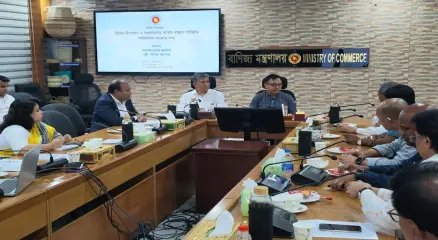
Bangladesh Commerce Minister Khandakar Abdul Muktadir has urged egg traders to avoid excessive profits, artificial shortages and supply chain disruptions that could push prices beyond consumers’ reach. Speaking at a meeting with egg producers, traders and other stakeholders at the Ministry of Commerce in Dhaka, the minister stressed the importance of ensuring a stable supply and protecting consumers’ interests. He noted that eggs are a staple food for millions of people and that sudden price increases place additional financial pressure on low- and middle-income households. Muktadir called for an examination of the price differences between producers and retailers to identify where unnecessary costs or excessive margins are being added. He also emphasised cooperation among farmers, wholesalers, commission agents and retailers to improve market transparency. During the meeting, business representatives said rising prices of poultry-feed ingredients, including corn and soybean, had increased egg production costs to around Tk 11 per egg. They reported that the average producer-level selling price rose from Tk 7.91 in January to approximately Tk 11.30 in September. Traders also argued that eggs are sometimes sold below production costs during parts of the year, while price increases receive greater public attention. According to the participants, prices typically increase by Tk 1.50 to Tk 2 between the producer and retail stages. To manage seasonal fluctuations, traders proposed introducing storage facilities that could preserve surplus eggs for one to one-and-a-half months. They also recommended reviewing tax burdens, stabilising poultry-feed prices and reducing transportation difficulties. The government is seeking greater coordination across the supply chain to help maintain reasonable prices and ensure reliable access to eggs for consumers.

As grocery bills climb to record highs across continents, families are being forced to make painful choices. From Dhaka to Detroit, rising food prices have become a universal hardship, driven by a tangled web of global supply chain bottlenecks, extreme climate events, and geopolitical turmoil. Recent figures from the United Nations Food and Agriculture Organization (FAO) show that global food prices have risen nearly 23% year-over-year, marking one of the sharpest spikes in over a decade. Essential staples such as rice, wheat, cooking oil, and dairy are at the center of the storm, with developing economies bearing the worst of the impact. Food Inflation Snapshot: Category-Wise Price Surge Food Category Avg. Global Price Increase (12 Months) Key Drivers Grains (Rice, Wheat) +18% War in Ukraine, export bans Vegetables +25% Floods, droughts, labor shortages Dairy Products +15% High feed prices, energy costs Meat (Beef, Poultry) +22% Feed supply shortage, transport delays Cooking Oil +30% Indonesia’s ban, climate disasters What’s Causing the Crunch? 1. Supply Chain Disruptions COVID-19 aftershocks are still rippling through global logistics. Freight backlogs at ports, lack of refrigerated containers, and strikes among transport workers have delayed food delivery worldwide. “Even if you have food ready to ship, getting it from farm to table is twice as expensive and twice as slow,” says Prof. Arun Mitra, an economist at the University of Melbourne. 2. Geopolitical Tensions The Russia–Ukraine war has disrupted grain exports from two of the world’s largest producers. Together, they account for over 30% of the global wheat supply. Trade sanctions and naval blockades have further restricted shipments. Meanwhile, India’s curbs on rice exports to control domestic prices have squeezed markets across Africa and Southeast Asia. 3. Climate Change and Natural Disasters Flooding in Pakistan and Bangladesh wiped out rice and vegetable crops. Droughts in the Horn of Africa and heatwaves in Europe and Canada reduced wheat and maize yields. Wildfires in South America damaged farmland and disrupted coffee and soybean supply chains. 4. Currency Depreciation For many nations, the value of local currency has plummeted against the US dollar, making food imports even more expensive. In Bangladesh, the taka has lost nearly 18% of its value in two years, making oil, lentils, and dairy imports costlier than ever before. On the Ground: How Families Are Coping Rokeya Begum, a 39-year-old garment worker in Narayanganj, says, “Last year, I could afford fish three times a week. Now it’s once, maybe twice. Eggs and vegetables are also becoming luxuries.” In the U.S., middle-class families are increasingly relying on bulk-buying clubs and discount stores, while food bank demand is up 27% from the previous year. Across Africa, millions face the risk of acute food insecurity, with humanitarian agencies calling for urgent international aid. According to World Food Programme (WFP), over 345 million people globally are now experiencing "acute hunger", up from 282 million last year. What’s Being Done? Food subsidies in countries like Egypt, Indonesia, and Bangladesh. Price caps on essentials like onions, flour, and edible oils. Cash support to vulnerable families via mobile wallets. Investing in climate-resilient agriculture. Building regional food reserves to withstand export shocks. Strengthening infrastructure for cold chains and food storage. Diversifying trade routes and food sources. Expert Voices “Without bold reforms and global coordination, we risk food inflation becoming the new normal,” says Dr. Momena Alam of BRAC University’s Food Security Research Centre. “Poorer nations will suffer disproportionately. We must treat food not just as a market product but as a human right,” adds David Nabarro, WHO Special Envoy on Food Systems. The Road Ahead: Key Questions Will weather conditions stabilize in key growing regions? Can trade wars and protectionism be dialed back? How fast can logistics networks be rebuilt? Will richer nations support the food needs of vulnerable economies? Until these answers emerge, global households will continue to face a painful question at the checkout counter: How much food can I afford today?

Thailand faced a national tragedy after a soldier carried out a shooting rampage that killed 29 people and injured dozens more in the northeastern city of Nakhon Ratchasima. The violence began on February 8, 2020, when Sergeant Major Jakrapanth Thomma opened fire following a reported dispute connected to a property deal. The attacker subsequently took military weapons and moved through several locations, leaving victims in his wake before reaching the Terminal 21 shopping mall. The incident quickly developed into a prolonged security emergency. Shoppers, employees and visitors desperately searched for safe places to hide as gunfire echoed through parts of the complex. Some people managed to escape, while others remained trapped until security personnel could reach them. Police and military units launched an extensive operation to contain the attacker and evacuate civilians. The confrontation continued through the night, creating hours of uncertainty for families waiting for information about missing relatives. Security forces eventually located and killed the gunman inside the shopping complex on February 9, ending the siege. The death toll made the incident one of the deadliest mass shootings in Thailand's history. The tragedy prompted widespread mourning and raised questions about military weapon security, firearm access and the country's preparedness for mass-casualty attacks. Survivors and relatives of those killed were left to cope with the physical and emotional consequences of the violence. The Korat shooting remains a painful chapter in Thailand's recent history, remembered for the lives lost, the fear experienced by ordinary civilians and the emergency responders who worked to bring the crisis to an end.

Mexico faced renewed security challenges following the death of Nemesio Oseguera Cervantes, known as El Mencho, the leader of the Jalisco New Generation Cartel (CJNG). He was killed during a military operation in Jalisco state on February 22, 2026, marking a significant development in the country’s long-running campaign against organized crime. El Mencho had become one of Mexico’s most prominent criminal figures through his leadership of the CJNG, an organization associated with international drug trafficking and violent clashes with security forces and rival groups. Authorities had pursued him for years as the cartel expanded its influence across Mexico and into international markets. His death was followed by reports of burning vehicles, blocked roads and suspected cartel attacks in several areas. Security forces increased their presence as officials worked to contain the unrest and protect local communities. The operation also raised questions about who would control the cartel following the loss of its leader. Experts have long warned that the removal of a major criminal figure can create competition within an organization without automatically ending its operations. For Mexico, the challenge now extends beyond eliminating individual leaders. Authorities must also confront criminal networks, illegal weapons, drug trafficking and the violence affecting communities. The longer-term impact of El Mencho’s death will depend on whether security operations can weaken the cartel’s structure and prevent further retaliation.
Police in Cumilla have arrested a CNG-run auto-rickshaw driver accused of raping and killing a 15-year-old schoolgirl. Authorities said the suspect confessed to the crime during questioning. The accused, Sumon Mia, was detained at his brother’s residence in Chattogram on Friday. Additional Superintendent of Police Pankaj Barua disclosed details at a press conference following the arrest. According to police, the victim, Tazmin, hired the auto-rickshaw from Paduar Bazar to Racecourse for Tk 300 at around 12:30am on Thursday. The driver allegedly diverted from the intended route and took her to a different location. Police said the girl was later found dead in a paddy field beside the Cumilla–Noakhali regional highway in the Jagatpur area under Lalmai Police Station. Officers recovered her body after receiving information through the national emergency service 999. Investigators allege that the suspect stole the victim’s iPhone before leaving the scene and later concealed it near a mosque in Chapapur. The victim’s father, Abdul Alim, identified her body. He said she had left home several days earlier to visit a female friend and had subsequently travelled to Cox’s Bazar before heading to Cumilla. Police are continuing their investigation into the case
Shahriar Mahmud, the principal accused in the case over the alleged attack and vandalism at content creator Salman Muqtadir’s Brownfish Studio in Dhaka’s ECB Chattar area, has been granted bail by a Dhaka court. Metropolitan Magistrate Md Hasib Ullah Pias granted Shahriar bail on a bond of Tk 10,000 until the next scheduled court date following a hearing on Monday, according to the Dhaka Metropolitan Police (DMP) prosecution branch. The case was filed after an alleged attack on the New Gini Properties project in the capital’s Cantonment area on the night of September 26. Project director Saiful Islam Bhuiyan lodged the complaint with Cantonment Police Station on September 27, alleging vandalism, assault and looting. According to the case statement, the attackers allegedly damaged office equipment, furniture, gates and other property. Salman Muqtadir’s Brownfish Studio was also reportedly vandalised, with two televisions, air-conditioning units, furniture and filming equipment damaged. The complainant estimated the studio’s losses at approximately Tk 95 lakh. The complaint also alleges that cash, construction materials, electrical cables and other items were taken from the premises, resulting in substantial financial losses. These figures represent the complainant’s estimates and have not been established as final losses in court. Earlier reports said four people had been arrested in connection with the incident. Authorities have also linked the violence to a broader land dispute involving approximately 35 kathas of land associated with New Gini Properties Ltd and opposing landowners. Shahriar’s bail does not amount to an acquittal. The allegations against him and the other accused remain subject to investigation and judicial proceedings.

Police in Satkhira have registered a case against a 60-year-old man accused of sexually assaulting a seven-year-old girl. Authorities said an investigation is underway and efforts are being made to arrest the suspect. According to the complaint, the alleged incident took place on October 10 on the rooftop of a house in Satkhira Sadar upazila. The property reportedly belongs to Rafiqul Islam, a former chairman of Jhaudanga Union Parishad. The child’s grandmother identified the accused as Mosharraf Hossain, whom she described as the former chairman’s brother-in-law. She alleged that he lured the child to the rooftop before committing the offence. She also claimed that she informed the former chairman about the incident but received no assistance. On October 13, police took the child to Satkhira Sadar Hospital, where she was admitted for treatment and a medical examination. Shafiqul Islam, officer-in-charge of Satkhira Sadar Police Station, said officers visited the reported location and conducted inquiries after learning about the incident. He confirmed that a case had been filed and that police were working to apprehend the accused. The child had been living with her grandmother in Oaria village. Her father lives abroad, while her mother lives separately. The allegations remain under investigation, and the accused’s guilt has not been established in court.

A 56-year-old woman was killed and her husband seriously wounded in a knife attack allegedly carried out by their son at their home in Kurigram Sadar upazila early Wednesday. The incident took place in Belgachha Union around dawn, according to Kamal Hossain, officer-in-charge of Kurigram Sadar Police Station. The victim was identified as Munira Begum, while her husband, Sardar Ali, 65, a retired textile engineer, was rushed to Rangpur Medical College Hospital for advanced treatment. Police and local sources said their son, Mostakin Alam Shovon, 35, allegedly attacked his parents before escaping. He was reportedly struggling with drug addiction, and his family had sent him to rehabilitation centres several times. However, he repeatedly left those facilities. The family was reportedly planning to send him to rehabilitation again. On Wednesday morning, staff from a rehabilitation centre in Sirajganj arrived at the house to take him there. According to the initial account, Shovon allegedly stabbed his mother in the chest after learning about the plan. When his father tried to intervene, he was repeatedly stabbed in the abdomen. Rehabilitation centre staff rushed the injured couple to Kurigram General Hospital, where doctors declared Munira dead. Her husband was later transferred to Rangpur for specialised medical care.

Europe’s summer of 2026 brought intense heat to several parts of the continent, creating challenges for residents, farmers and emergency services. Prolonged hot weather increased pressure on water resources and raised concerns about the effects of high temperatures on daily life. Dry vegetation and limited rainfall created conditions in which fires could spread rapidly in vulnerable areas. Firefighters and local authorities faced the challenge of protecting residential communities, forests and agricultural land from potential damage. The heat also affected outdoor workers, elderly people and others vulnerable to high temperatures. Health officials encouraged residents to stay hydrated, avoid strenuous activities during the hottest hours and follow local weather warnings. The summer’s extreme conditions highlighted the importance of preparing cities and communities for prolonged periods of hot weather. Better water management, early-warning systems, fire prevention and heat-resistant infrastructure can help reduce the risks associated with future heatwaves.